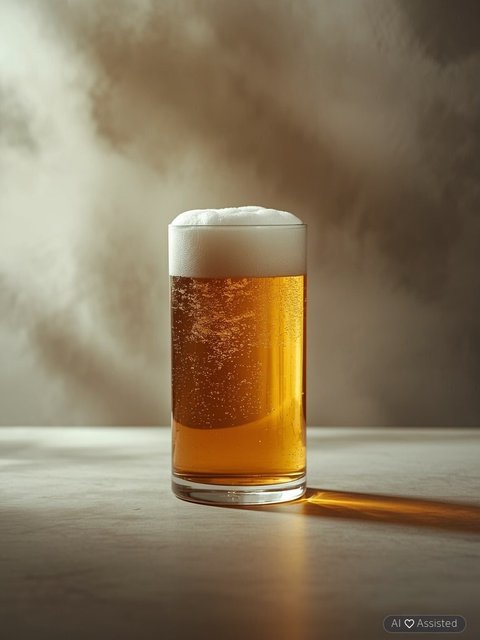
Beer as a fermented beverage: categorization of varieties, nutritional composition, and examination of its effects on the human body—can moderate consumption yield health benefits?

| Diets Premium Expert Oliwia Kaczmarek | min read 4 min | Scientifically reviewed by a clinical dietitian 28.05.2026 |
Smart Voice
•Listen to the article content live
Alcohol has been an integral component of societal customs for millennia, playing a pivotal role in rituals, celebrations, and everyday social exchanges across diverse cultures. Among ethanol-containing beverages, beer holds a distinctive position—not merely due to its ancient origins tracing back over 6,000 years, but also because it ranks as the third most consumed drink globally, surpassed only by water and tea. The term "beer" derives from the Proto-Slavic word pivo, which originally denoted a generic "beverage." In contemporary markets, the selection of beers has expanded dramatically, encompassing everything from crisp, light lagers to robust stouts and artisanal craft brews with intricate flavor profiles. What underlying factors have cemented beer’s status as a staple of social gatherings? How do the defining characteristics of various beer styles differ, and could their nutritional and biochemical composition exert meaningful effects on consumer health?
Want to apply these guidelines in your daily diet?
Our smart diet generator creates a tailored meal plan in 3 minutes based on the recommendations in this article.
Classification of beer styles and fermentation methods
The brewing landscape offers an impressive diversity of beer styles distinguished by hue (from pale straw to opaque black), original gravity, hopping intensity, and alcohol content. The fundamental technological classification hinges upon yeast strain taxonomy and fermentation temperature. Top-fermented beers (Ales), fermented by Saccharomyces cerevisiae at temperatures of 15–25°C, display intricate fruity esters and spicy phenols (e.g., IPA, Stout, Porter, Witbier). Conversely, bottom-fermented beers (Lagers), fermented by Saccharomyces pastorianus at colder temperatures of 7–13°C, exhibit clean, crisp malt and noble hop profiles (e.g., Pilsner, Bock, Helles). A third notable category encompasses spontaneously fermented wild sour ales, such as Belgian Lambics.
Nutritional composition, caloric density, and bioactive polyphenols
The caloric density of beer is governed predominantly by ethanol concentration and residual unfermented carbohydrates (dextrins). A standard 500 ml serving of standard 5% ABV lager delivers roughly 210 to 250 kcal, whereas robust imperial stouts or double bocks can easily surpass 350 to 400 kcal. Pure ethanol yields approximately 7 kcal per gram, markedly higher than carbohydrates (4 kcal/g). Beer also contains trace B vitamins (folate, niacin, riboflavin), bioavailable dietary silicon, and hop-derived polyphenolic antioxidants such as xanthohumol and ferulic acid. While these micronutrients hold biological merit, their concentrations must be weighed against the metabolic burden of ethanol.
Health impact of beer consumption: balancing risks and potential benefits
While past epidemiological cohorts suggested modest cardiovascular protections with minimal alcohol consumption, contemporary medical consensus underscores that the toxicological and oncological hazards outweigh theoretical benefits. Chronic beer consumption contributes significantly to visceral adiposity ('beer belly'), accelerating non-alcoholic fatty liver disease, insulin resistance, and hypertension. Ethanol halts cellular lipolysis, suppresses circulating testosterone in males, and imposes oxidative strain on hepatic tissue. The World Health Organization asserts that there is no risk-free level of alcohol consumption. Strict moderation is paramount, and certified 0.0% non-alcoholic beers represent the superior choice for metabolic well-being.
Tags

Oliwia Kaczmarek
✓Diets Premium Expert
Diets Premium team expert. Specializes in nutrition plans, strength sports, and training plans.
View Profile →