4 min read
Kombucha – Where to Buy, Price, Reviews… Side Effects of Using Kombucha

Emilia Szymańska
✓
Diets Premium Expert • 25.09.2026
✓
Scientifically reviewed by a clinical dietitian:
This article has been peer-reviewed for adherence to IŻŻ, WHO, and PTGiP clinical nutritional standards.
| Diets Premium Expert Emilia Szymańska | min read 4 min | Scientifically reviewed by a clinical dietitian 25.09.2026 |

Smart Voice
•Listen to the article content live
0:00
/
0:00
Key Takeaways
Food producers are participating in a competition of ideas for refreshing beverages using it Fungus, tea, or carbonated beverage? Kombucha or Kombuca? What are its beneficial and detrimental effects on the body? With lemons, mint, or perhaps hops? I invite you to read it if you come across it on a store shelf or in a coffee shop menu, can everyone consume it?
Meal Plan
Want to apply these guidelines in your daily diet?
Our smart diet generator creates a tailored meal plan in 3 minutes based on the recommendations in this article.
Kombucha Fermented Tea: A Symbiotic Culture of Bacteria and Yeast (SCOBY) Beverage
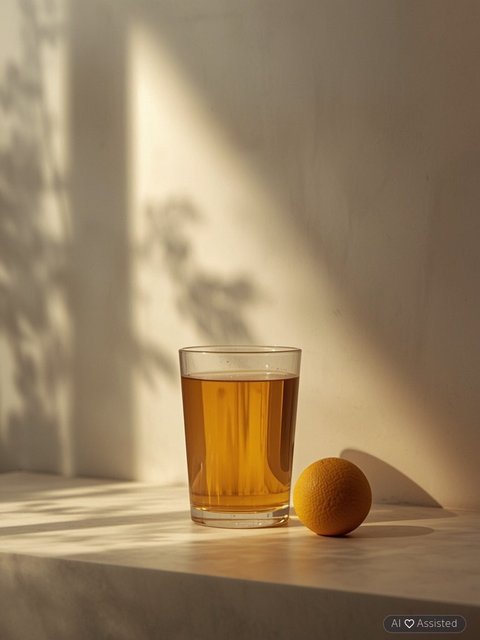
Kombucha, alternatively referred to as tea fungus or Manchurian mushroom, is a traditionally fermented beverage derived from sweetened leaf tea infusions—both green and black—through the metabolic activity of a gelatinous, symbiotic microbial consortium known as SCOBY (*Symbiotic Culture Of Bacteria and Yeast*). The fermentation process, initiated by the addition of approximately 100 grams of sucrose per liter of water, yields a revitalizing, effervescent drink whose hue ranges from pale yellow to deep amber or dark brown, contingent upon the specific tea variety employed.
The SCOBY matrix itself constitutes a dynamic microbial ecosystem wherein diverse bacterial strains—primarily *Acetobacter* species (including *Acetobacter xylinum*) and *Gluconobacter*—cohabit alongside an array of yeast genera, such as *Saccharomyces cerevisiae*, *Saccharomycodes ludwigii*, *Schizosaccharomyces pombe*, *Zygosaccharomyces bailii*, *Brettanomyces* (formerly *Dekkera*), *Candida* species, *Torulaspora delbrueckii*, *Kloeckera apiculata*, *Pichia* species, *Mycotorula*, and *Mycoderma*.
Extensive microbiological research demonstrates substantial variability in species composition across successive fermentation stages, resulting in the biosynthesis of a wide array of metabolites: organic acids (including acetic, gluconic, glucuronic, citric, lactic, malic, tartaric, malonic, oxalic, succinic, pyruvic, and the rare usnic acid), trace ethanol concentrations (0.5–2% v/v in the final product), carbon dioxide responsible for natural carbonation, residual simple sugars (glucose, fructose) and complex saccharides (sucrose), as well as bioactive compounds—B-group vitamins (notably B1, B2, B6, B12) and exogenous amino acids with putative health-promoting properties.
Potential adverse effects of Kombucha: Risk groups and precautionary considerations
Consumption of Kombucha may be associated with adverse effects for specific population groups and carries several contraindications. Individuals with diabetes should exercise caution due to the residual simple sugar content, while pregnant and breastfeeding women, as well as children in developmental stages, are advised to avoid it. Additionally, those operating motor vehicles or heavy machinery should be aware of the trace but present alcohol content resulting from fermentation. Patients suffering from gastrointestinal disorders characterized by chronic diarrhea may experience exacerbated symptoms owing to the beverage’s mild laxative properties. Oncology patients—particularly those undergoing radiotherapy or chemotherapy—as well as individuals in the acute phase of chronic illnesses should approach Kombucha with heightened caution, as its rich profile of antioxidant compounds and polyphenols may interact with medical treatments, and the absence of comprehensive human clinical trials limits a definitive safety assessment. Given the intricate microbial ecosystem within the tea fungus culture and the inherently dynamic fermentation process, it is advisable to introduce the drink gradually into one’s diet while closely observing potential physiological responses, such as gastrointestinal disturbances (diarrhea or constipation) or headaches, which could arise from the potent detoxifying effects of polyphenols and the product’s microbial diversity.
Where to purchase kombucha and current pricing – a comprehensive buying guide
The fermented beverage kombucha is readily available through both brick-and-mortar health food retailers and online marketplaces, offering a diverse selection of flavor profiles and product formats—ranging from ready-to-drink effervescent options to dried tea blends intended for home brewing. Pricing structures exhibit significant variation based on ingredient composition: a traditional blend of black and green tea infused with herbal extracts retails at approximately **14.00 PLN** per **750 ml bottle**. Green tea-based variants are priced between **5.71 PLN and 18.91 PLN** for a **500 ml bottle**, whereas black tea formulations occupy a comparable range (**5.71–18.91 PLN/500 ml**). Specialty infusions incorporating nettle, hops, or mint are available at **11.61–25.90 PLN** for a **750 ml volume** or **5.59–18.91 PLN** for the smaller **300 ml** option. Varieties enhanced with lemon or aloe vera extract are priced in the **7.51–9.88 PLN/500 ml** bracket. For enthusiasts of DIY fermentation, loose-leaf teas are also marketed, including flavored green **Sencha Kombucha** (**10.59 PLN/50 g**) and a lemon peel-infused variant (**6.93–7.45 PLN/50 g**).
Kombucha – scientific reviews and expert opinions regarding its health-promoting properties and therapeutic limitations
Current scientific evidence suggests that kombucha may exhibit a range of health-beneficial properties attributable to the bioactive metabolites generated during its fermentation process. Laboratory investigations have demonstrated its capacity to inhibit the proliferation of pathogenic microorganisms such as *Shigella sonnei*, *Escherichia coli*, *Salmonella enteritidis*, and *Salmonella typhimurium*—agents responsible for common foodborne illnesses, including bacillary dysentery and salmonellosis. Despite advancements in modern healthcare and the widespread accessibility of antibiotic therapies, these infections still necessitate hospitalization due to the risk of rapid dehydration and potentially severe systemic complications. It is critical to emphasize, however, that kombucha should be regarded as a supplementary source of probiotic bacteria rather than a standalone therapeutic intervention for acute diarrheal conditions. Given its complex microbiological composition—which includes lactic acid bacteria, yeast strains, and various bioactive compounds—there is speculative evidence that regular consumption of this fermented tea beverage may contribute to a reduced risk of carcinogenic development, cardiovascular diseases, enhanced gastrointestinal motility, and strengthened immune defense mechanisms. Throughout history, humanity has sought a panacea capable of curing all ailments, yet there is no empirical basis to classify fermented tea as a "miracle cure" for civilization-related diseases or malignancies, which often develop over decades due to harmful lifestyle choices such as tobacco smoking, excessive alcohol consumption, or diets rich in ultra-processed foods. To date, *in vitro* and *in vivo* studies have primarily validated kombucha’s **antioxidative potential**, specifically its ability to scavenge free radicals. Hypotheses have even emerged suggesting a protective effect against acetaminophen-induced hepatotoxicity, although robust data regarding potential interactions between kombucha and commonly prescribed pharmaceuticals remain absent. In summary, kombucha represents a promising contender within the functional beverage market, and its role in health promotion may be further substantiated through future, large-scale clinical trials.

mgr Emilia Szymańska
✓Diets Premium Expert
Diets Premium team expert. Specializes in nutrition plans, strength sports, and training plans.
View Profile →