Dairy-free plant-derived beverage alternatives – Coconut, almond, rice, and spelt-based options

| Diets Premium Expert Anna Schmidt | min read 4 min | Scientifically reviewed by a clinical dietitian 23.10.2026 |
Smart Voice
•Listen to the article content live
Non-dairy, lactose-free beverages derived from nuts, grains, or legumes can serve as a nutritious substitute for conventional animal milk. They are especially recommended for individuals who, for ethical or health-related reasons, abstain from consuming animal-derived products, as well as for those with medical restrictions—such as lactose intolerance or food allergies—that preclude the intake of traditional dairy.
Want to apply these guidelines in your daily diet?
Our smart diet generator creates a tailored meal plan in 3 minutes based on the recommendations in this article.
Clinical rationale for plant beverages: intolerances, allergies, and ecology
Plant-based beverages represent a fundamental staple in contemporary clinical dietetics. Their utilization is driven by defined medical and ecological indications:
- Primary hypolactasia and IgE/non-IgE cow's milk protein allergy.
- Vegan and plant-forward dietary models excluding bovine products.
- Gastrointestinal hypersensitivity and autoimmune inflammatory conditions.
- Ecological sustainability: dramatically lower carbon footprints and land/water utilization compared to dairy livestock farming.
Soy beverage: the premier nutritional equivalent to dairy protein
Soy milk derived from whole soybeans represents the sole plant beverage exhibiting protein equivalence to bovine milk. Delivering 3.0–3.5 g protein per 100 mL with a Protein Digestibility-Corrected Amino Acid Score (PDCAAS) near 1.0, it supplies all essential amino acids.
Soy isoflavones (genistein, daidzein) deliver documented atheroprotective benefits (lowering circulating LDL-C) and alleviate menopausal vasomotor symptoms. Comprehensive meta-analyses confirm that dietary soy does not alter circulating testosterone or estrogen levels in men.
Nut and seed beverages: almond and coconut milk profiles
Nut-derived beverages offer distinct culinary and functional profiles:
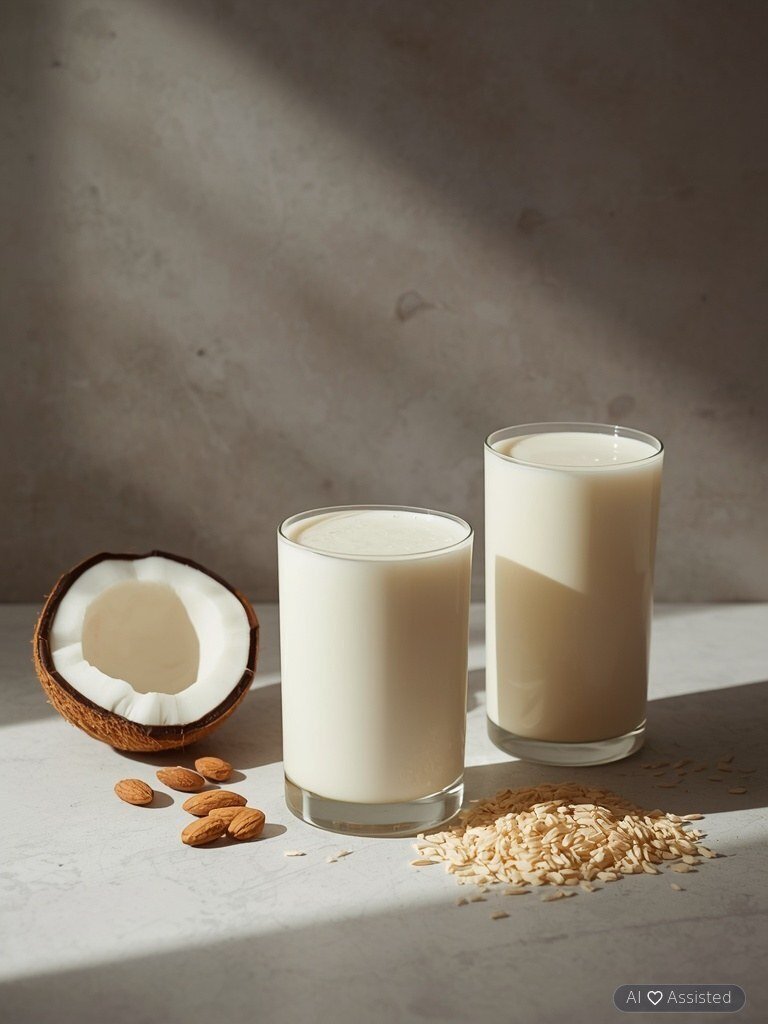
- Almond Milk: Exceptionally low in calories (13–20 kcal/100 mL unsweetened), naturally rich in antioxidant alpha-tocopherol (vitamin E), but minimal in protein (< 0.5 g/100 mL).
- Coconut Milk Beverage: Diluted from coconut cream, rich in medium-chain triglycerides (MCTs, predominantly lauric acid) which transit directly via portal circulation for rapid beta-oxidation, offering luxurious mouthfeel for culinary applications.
Grain beverages: oat and spelt milks alongside essential fortification criteria
Cereal-derived beverages provide pleasant natural sweetness generated by enzymatic breakdown of starches:
- Oat Beverage: Contains bioactive soluble beta-glucan fibers proven to bind bile acids and lower systemic LDL-C. Barista formulations steam exceptionally well for specialty coffees.
- Spelt Beverage: Imparts a pleasant nutty profile derived from ancient wheat grains.
- Fortification Mandate: To functionally replace dairy, beverages must provide at least 120 mg elemental calcium per 100 mL (via calcium carbonate or marine algae) paired with cholecalciferol (vitamin D) and cyanocobalamin (B12).
It's an orchid drink
Tags

Anna Schmidt
✓Diets Premium Expert
Diets Premium team expert. Specializes in nutrition plans, strength sports, and training plans.
View Profile →