Chestnut Flour – Nutritional Profile, Natural Sweetness, Market Value, and Culinary Recipes

| Diets Premium Expert Tim Klein | min read 5 min | Scientifically reviewed by a clinical dietitian 23.10.2026 |
Smart Voice
•Listen to the article content live
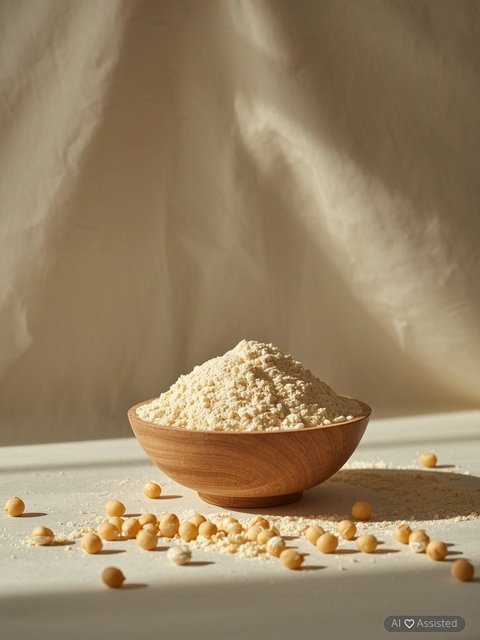
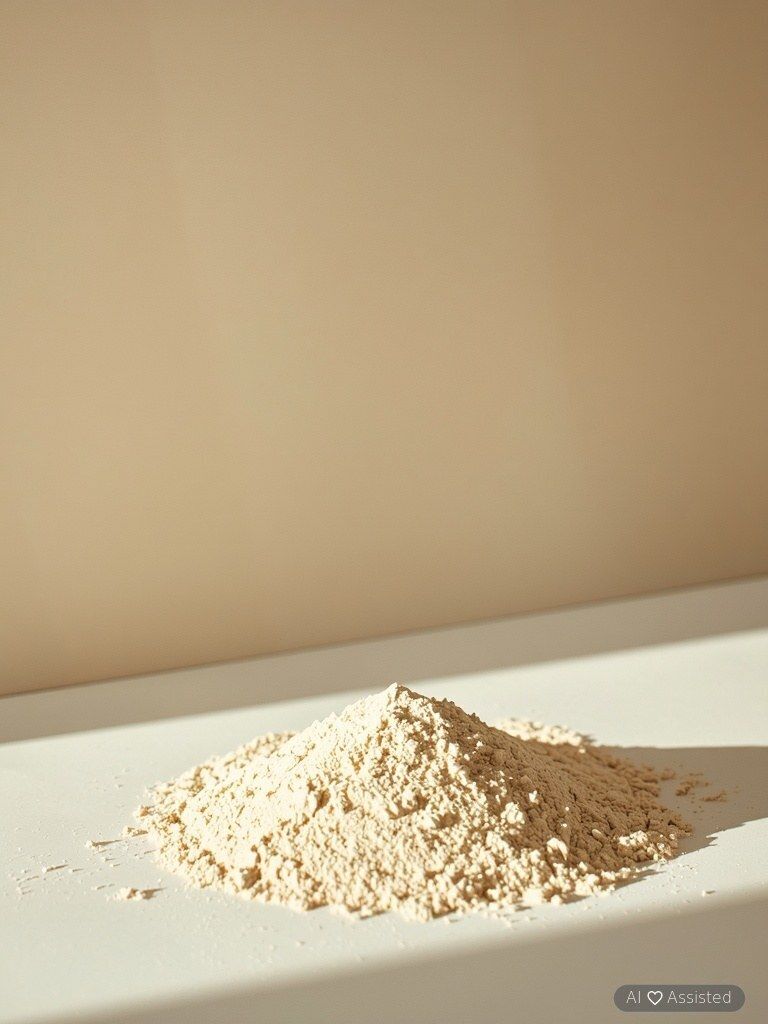
Chestnut flour (Italian farina di castagne), ground from gently dried sweet chestnuts (Castanea sativa), is a luxurious, inherently gluten-free flour celebrated for its extraordinary sensory and nutritional architecture. It exhibits captivating natural sweetness, deep roasted nutty aromas, and an unusually low lipid profile for a nut derivative. Rich in vitamin C, potassium, copper, folate, and dietary fiber, it forms the cornerstone of Tuscan culinary tradition and refined gourmet gluten-free cuisine.
Want to apply these guidelines in your daily diet?
Our smart diet generator creates a tailored meal plan in 3 minutes based on the recommendations in this article.
Botanical Profile of Sweet Chestnut and Traditional Milling Heritage
Sweet chestnuts (Castanea sativa) must not be confused with toxic horse chestnuts (Aesculus hippocastanum) common in urban parks. In the mountainous Apennines of Italy and Corsica, chestnuts were historically dubbed 'bread trees' because chestnut flour formed the primary caloric lifeline.
Artisanal manufacturing protocols:
- Wood-fired dehydration – harvested chestnuts are gently smoked and dehydrated for 30–40 days in traditional stone drying huts (metato) over smoldering chestnut wood fires.
- Stone milling – after mechanical dehulling, the dried kernels are ground between granite millstones into an exceptionally fine, sweet ivory flour.
Nutritional Value: Vitamin C, Potassium, Antioxidants, and Gluten-Free Purity
Chestnut flour exhibits a nutritional architecture sharply divergent from other tree nut flours:
- Low lipid content (~3–4 g/100 g) – unlike almond flour packed with >50 g fat, chestnut flour relies predominantly on digestible complex carbohydrates.
- Vitamin C and folates – chestnuts represent the sole botanical tree nut providing meaningful concentrations of ascorbic acid and folates.
- Potassium density (800–900 mg/100 g) – exerts substantial hypotensive and electrolytic support.
- Certified gluten-free – safe for autoimmune enteropathies and celiac disease.
Market Pricing, Commercial Availability, and Optimal Storage
Chestnut flour is categorized as an artisanal luxury commodity:
- Market pricing – due to manual labor-intensive harvesting and dehydration, retail prices range from €8 to €15 per kilogram, with certified Italian DOP brands commanding premiums.
- Storage guidelines – hygroscopic natural fructose attracts environmental humidity; store in airtight glass containers in a cool larder or refrigerate during summer to prevent insect infestation.
Tested Culinary Recipes: Tuscan Castagnaccio and Chestnut Crepes
Traditional Italian gluten-free delicacies utilizing chestnut flour:
Authentic Tuscan Castagnaccio:
- Ingredients: 300 g sifted chestnut flour, 380 ml water, 2 tbsp extra virgin olive oil, 40 g pine nuts, 40 g plumped raisins, fresh rosemary needles, pinch of salt.
- Preparation: Whisk flour with water and salt into a smooth, thin batter. Pour into a low-rimmed oiled baking pan (~1 cm thickness), scatter pine nuts, raisins, and rosemary over the surface, and bake at 180°C (350°F) for 30 minutes until surface craquelure appears.
Chestnut Necci Crepes:
- Whisk 200 g chestnut flour with 250 ml water and a pinch of salt; fry thin pancakes in butter and roll around fresh cow's or sheep's milk ricotta drizzled with chestnut honey.
Tags

mgr Tim Klein
✓Diets Premium Expert
Diets Premium team expert. Specializes in nutrition plans, strength sports, and training plans.
View Profile →