2 min read
Antioxidant properties of tomato juice

Laura Schneider
✓
Diets Premium Expert • 20.03.2026
✓
Scientifically reviewed by a clinical dietitian:
This article has been peer-reviewed for adherence to IŻŻ, WHO, and PTGiP clinical nutritional standards.
| Diets Premium Expert Laura Schneider | min read 2 min | Scientifically reviewed by a clinical dietitian 20.03.2026 |

Smart Voice
•Listen to the article content live
0:00
/
0:00
Key Takeaways
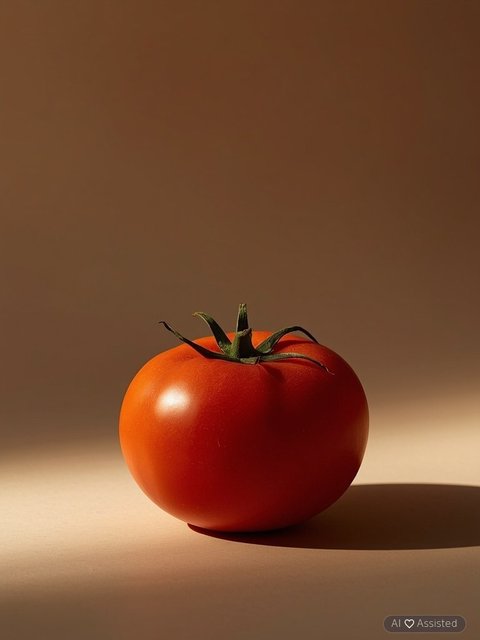
Tomato juice is distinguished by its exceptional flavor and strong aroma. We enjoy it not only as a refreshing beverage but also because of its valuable health attributes. Tomato juice is an excellent solution for many ailments.
Meal Plan
Want to apply these guidelines in your daily diet?
Our smart diet generator creates a tailored meal plan in 3 minutes based on the recommendations in this article.
Nutritive components of tomato juice
It is important to highlight that tomato juice is a low-calorie dietary product, with 100 grams providing just 17 kcal. This beverage is a rich source of macro and micronutrients. It is characterized by a high potassium content (approx. 230 mg/100 g), which supports fluid-electrolyte regulation in the body, optimal acid-base balance, and healthy blood pressure maintenance. Additionally, it contains vitamin C, B-group vitamins (including folic acid), and dietary fiber that promotes healthy digestive function. Regular consumption of tomato juice also supplies valuable flavonoids and chlorogenic acid, protecting blood vessels against oxidative stress.
. Notably, tomato juice provides approximately 220–250 mg of potassium per 100 g (vital for vascular tone and blood pressure regulation) alongside beneficial soluble fiber, all within a modest caloric payload of just 17–18 kcal per 100 g.
| Nutrient | Amount per 100 g | Daily Reference Intake (RDA/AI) |
|---|---|---|
| Energy | 17 kcal / 71 kJ | - |
| Protein | 0.8 g | - |
| Fat | 0.2 g | - |
| Carbohydrates | 3.5 g (of which sugars 2.6 g) | - |
| Dietary Fiber | 0.4 g | 25 g |
| Potassium | 230 mg | 3500 mg |
| Vitamin C | 18 mg | 75-90 mg |
| Lycopene | approx. 3.0 - 4.5 mg | - |
Lycopene – a significant antioxidant
Lycopene is a pigment responsible for the distinctive orange-red hue of tomatoes. This bioactive compound demonstrates high resistance to thermal processes such as boiling, microwave heating, or steaming, but is more susceptible to light exposure. As a result, tomatoes retain substantial amounts of lycopene even after processing, with its concentration also preserved in juices. Research indicates that lycopene in processed form exhibits greater bioavailability, as thermal processing converts it into the cis-isomer form, which is much more readily absorbed by the human body. Furthermore, the presence of small amounts of dietary fat significantly enhances its absorption in the small intestine, making tomato juice a potent ally in cardiovascular disease prevention and prostate cancer protection.
Impact on the cardiovascular system and oxidative stress reduction
Regular consumption of tomato juice exhibits proven cardioprotective effects. The lycopene contained within, alongside beta-carotene and vitamin E, prevents the oxidation of LDL cholesterol fractions, an essential physiological mechanism against atheroma plaque formation. Furthermore, the elevated potassium content helps reduce systemic blood pressure by regulating vascular smooth muscle tone and promoting sodium excretion.
Dietary guidelines: how to choose and consume tomato juice
When selecting tomato juice, it is essential to inspect the ingredient list and opt exclusively for 100% pure juice with no added sodium or refined sugars. Because lycopene is a fat-soluble carotenoid, absorbing it efficiently requires consuming it alongside dietary lipids—such as a few drops of extra virgin olive oil, avocado slices, or pumpkin seeds—which significantly amplifies intestinal bioavailability.

Laura Schneider
✓Diets Premium Expert
Diets Premium team expert. Specializes in nutrition plans, strength sports, and training plans.
View Profile →