5 min read
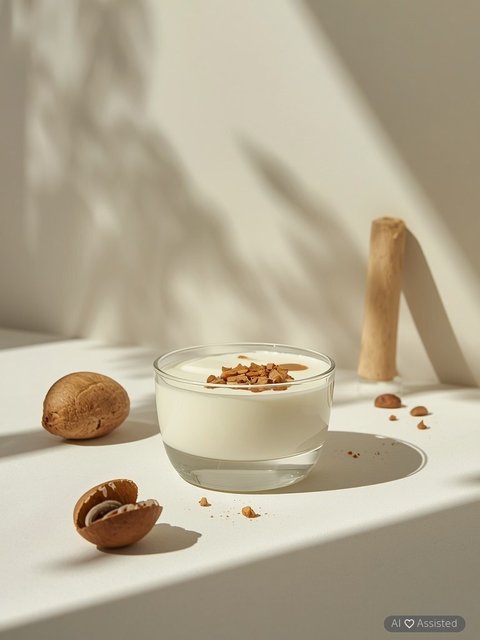
Kefir, Buttermilk, Yogurt – What Sets Them Apart and How to Use Them

Sophia Williams
✓
Diets Premium Expert • 25.09.2026
✓
Scientifically reviewed by a clinical dietitian:
This article has been peer-reviewed for adherence to IŻŻ, WHO, and PTGiP clinical nutritional standards.
| Diets Premium Expert Sophia Williams | min read 5 min | Scientifically reviewed by a clinical dietitian 25.09.2026 |

Smart Voice
•Listen to the article content live
0:00
/
0:00
Key Takeaways
The taste and beneficial attributes of fermented milk beverages have been recognized since ancient times, and they have graced the tables of nearly all Mediterranean basin nations throughout history. Consumed independently or as an ingredient in diverse dishes, they serve as an excellent addition to a daily menu.
Meal Plan
Want to apply these guidelines in your daily diet?
Our smart diet generator creates a tailored meal plan in 3 minutes based on the recommendations in this article.
Kefir: A Traditional Fermented Dairy Beverage with Probiotic Properties
The origins of kefir, one of humanity’s most ancient fermented dairy beverages, trace back to the Caucasus region, where local herders traditionally produced it from cow’s or goat’s milk through spontaneous fermentation in specially prepared containers—most commonly leather pouches or oak wooden casks [2, 3]. This beverage is distinguished by its velvety, thick texture, a mildly tangy flavor profile, and a subtle yeast-like aroma, all of which stem from a distinctive lacto-alcoholic fermentation process mediated by a symbiotic consortium of microorganisms known as *kefir grains* (refer to Table 1). These microbial aggregates exhibit a layered, heterogeneous architecture: the core comprises yeast cells, while the outer layers consist of lactic acid bacteria (including cocci, streptococci, and bacilli), bound together by a water-soluble polysaccharide called kefiran (a glucomannan-galactan complex). Owing to its diverse microbiota, kefir serves as a natural probiotic, promoting gut microbial balance and demonstrating potential antibacterial activity against gastrointestinal pathogens. Additionally, it provides a rich source of B vitamins (including B12), vitamin K, and essential macrominerals such as calcium, magnesium, and phosphorus. Commercially, it is available in both its traditional form and in fruit- or vegetable-enriched variants, broadening its utility in daily diets as well as in the prevention of diet-related disorders and allergic conditions.
Cultured Buttermilk: A Probiotic-Rich Dairy Beverage with Functional Benefits
Cultured buttermilk, categorized alongside fermented dairy products such as kefir, kumis, acidophilus milk, and plain yogurt, belongs to the family of lacto-fermented beverages distinguished by their content of viable lactic acid bacterial cultures—microorganisms that confer documented benefits to gut microbiota composition and broader physiological functions. This dairy derivative is characterized by its low-fat profile (customarily ranging from 1.5 to 2 percent by volume) and a subtly refreshing, creamy-nutty flavor palette that sets it apart from other fermented milk drinks. From a manufacturing standpoint, buttermilk emerges as a byproduct of the butter-churning process, wherein the liquid fraction is separated from the solid butterfat globules. Contemporary markets offer not only the traditional unsweetened variety but also an array of fruit-infused iterations (e.g., strawberry, peach, lemon), apple-cinnamon flavors, and chocolate *stracciatella* variants, thereby expanding its culinary applications. Nutritionally, buttermilk serves as an excellent source of calcium—a macronutrient indispensable across all human life stages; a single 250 ml serving fulfills approximately 20 percent of the recommended daily allowance for this mineral. Owing to its hydrating properties and balanced electrolyte composition, buttermilk proves particularly advantageous during periods of elevated heat, where its thirst-quenching efficacy and light texture make it an ideal beverage for maintaining optimal fluid balance.
Fermented natural yogurt – nutritional properties and culinary applications
Natural yogurt, produced through the controlled fermentation of pasteurized milk using live cultures of lactic acid bacteria, exhibits a substantially enriched nutritional profile compared to untreated drinking milk. The fermentation process enhances the product’s bioactive composition, yielding higher levels of absorbable calcium, complete amino acids, and a spectrum of B vitamins. Notably, the presence of probiotic bacterial strains not only facilitates lactose digestion—making it suitable for individuals with lactose intolerance—but also supports the restoration of beneficial gut microbiota, a critical factor during and after antibiotic treatment. With its low caloric density (just 60 kcal per 100 g in the 2% fat variant) and high digestibility, yogurt serves as a valuable component of a balanced diet, while its versatility allows it to function as a healthier substitute for cream in culinary applications—from thickening soups and sauces to creating desserts and baked goods with a light, creamy texture. When selecting yogurt, priority should be given to products free from artificial colorants and flavorings, with declared live culture content and a short shelf life, indicating minimal processing. The optimal choice is plain, unsweetened yogurt, which can then be customized with fresh fruit, nuts, or seeds, ensuring full transparency and control over consumed ingredients.
Practical applications of kefir, buttermilk, and yogurt – how to incorporate them into daily nutrition and culinary practices
Fermented dairy products—including kefir, buttermilk, and yogurt—constitute an indispensable component of a balanced diet, particularly for rapidly growing young organisms. Their significance extends beyond mere nutritional value, as they exhibit well-documented health-promoting properties that actively support digestive system functionality. Owing to the presence of live probiotic bacterial cultures, both kefir and yogurt demonstrate efficacy in alleviating symptoms of diarrhea and constipation by restoring and maintaining intestinal microbial balance. Moreover, they serve as an exceptional source of complete, highly bioavailable protein, rendering them an essential dietary staple. Nutritionists advocate for the inclusion of three to four daily servings of milk or its derivatives—particularly fermented varieties—in the diets of children and adolescents. Their versatility transcends health benefits, finding extensive application in culinary contexts: as a base for refreshing fruit smoothies, an ingredient in desserts, sauces, or baked goods. Kefir and buttermilk excel as thirst-quenching beverages during hot weather, whether consumed independently or paired with dishes such as young potatoes with dill. Their distinctive flavor profile and texture further enable innovative pairings with breakfast cereals, muesli, salads, pancakes, or pastries, thereby enhancing both the nutritional and sensory appeal of daily meals. Water kefir also warrants attention due to its rising popularity and beneficial attributes. Consistent consumption of probiotic-rich fermented dairy beverages inhibits the proliferation of pathogenic bacteria within the gastrointestinal tract, thereby fortifying the body’s natural immune defenses and bolstering resistance against a spectrum of infectious agents.

Sophia Williams
✓Diets Premium Expert
Diets Premium team expert. Specializes in nutrition plans, strength sports, and training plans.
View Profile →