PRO
6 min read
Basil – Characteristics, Uses, and Storage Methods

Kacper Nowak
✓
Diets Premium Expert • 25.09.2026
✓
Scientifically reviewed by a clinical dietitian:
This article has been peer-reviewed for adherence to IŻŻ, WHO, and PTGiP clinical nutritional standards.
| Diets Premium Expert Kacper Nowak | min read 6 min | Scientifically reviewed by a clinical dietitian 25.09.2026 |
Smart Voice
•Listen to the article content live
0:00
/
0:00
Key Takeaways
Ocimum basilicum, commonly referred to as basil, is a widely recognized and used plant, primarily in the gastronomic industry. It primarily serves the purpose of imparting unique flavors and fragrances to our dishes and beverages. It also serves as a fundamental ingredient in some dishes, such as pesto sauce. Basil is a key component of Mediterranean cuisine. It can be added to both sweet and savory dishes. Few individuals are aware that this plant is not only delicious, but also possesses numerous valuable medicinal properties.
Meal Plan
Want to apply these guidelines in your daily diet?
Our smart diet generator creates a tailored meal plan in 3 minutes based on the recommendations in this article.
PRO Content
PRO
This article is professional premium content (PRO) provided in its entirety.
Sweet basil and its cultivated varieties – botanical characteristics and chemical composition
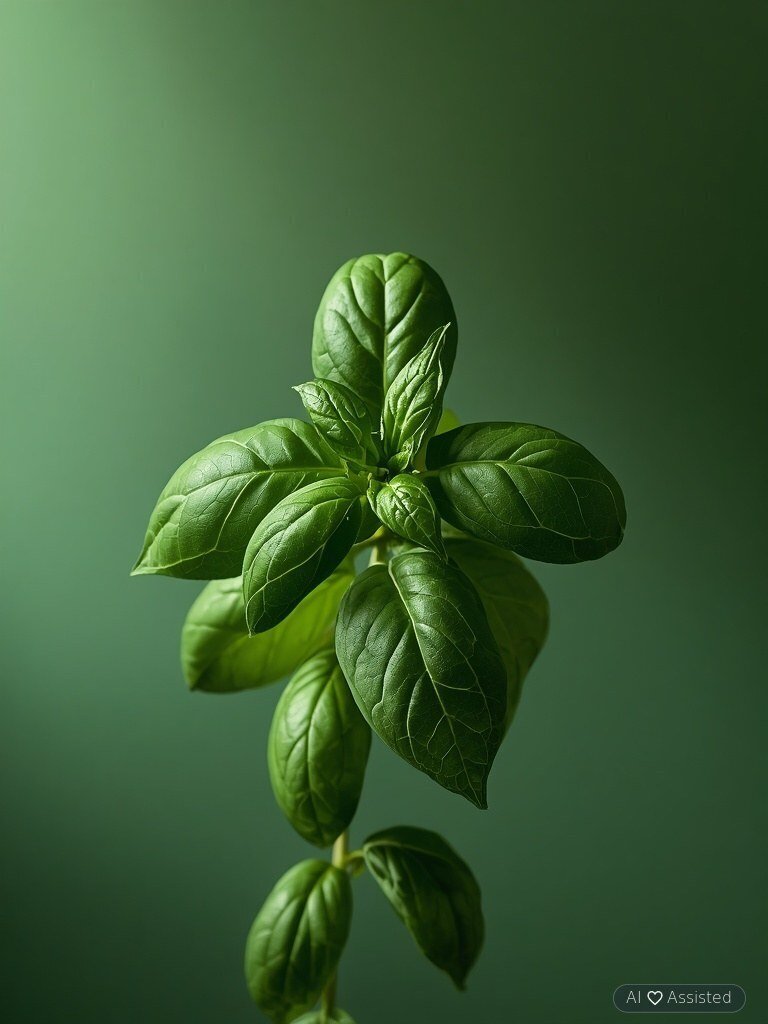
Sweet basil (*Ocimum basilicum*) is an annual herbaceous plant that exists solely under cultivated conditions, with no wild populations documented. Within Polish agricultural practices, the most widely recognized cultivars include common green basil, purple basil (distinguished by its deep reddish foliage), Greek basil (characterized by small, highly aromatic leaves), cinnamon basil (noted for its spicy-sweet flavor profile), and lemon basil (exhibiting pronounced citrus-like fragrance). The olfactory distinctions among these varieties arise from both qualitative and quantitative variations in their essential oil compositions. The sweet, clove-like scent characteristic of basil is attributable to eugenol—a phenolic compound identical to that found in clove buds (*Syzygium aromaticum*). Conversely, the citrusy aromatic notes derive from the presence of citral and limonene. In culinary taxonomy, basil is classified alongside rosemary (*Rosmarinus officinalis*), thyme (*Thymus vulgaris*), sage (*Salvia officinalis*), peppermint (*Mentha × piperita*), summer savory (*Satureja hortensis*), oregano (*Origanum vulgare*), and marjoram (*Origanum majorana*) as one of the "herbes de Provence." Beyond its volatile oil fraction, basil leaves constitute a source of polyphenolic compounds (including tannins), mineral salts, and vitamins. Per 100 grams of fresh leaf material, the following nutritional values are documented: 264 micrograms of retinol (vitamin A), 3142 micrograms of β-carotene, 414.8 micrograms of phylloquinone (vitamin K1), 18 milligrams of ascorbic acid (vitamin C), trace amounts of B-complex vitamins, 177 milligrams of calcium, 3.17 milligrams of iron, 64 milligrams of magnesium, and 1.148 milligrams of manganese.
Common Basil: Bioactive Composition and Multifaceted Health Properties
Common basil (*Ocimum basilicum*) is an intensely aromatic herb whose distinctive fragrance arises from its essential oil content (0.5–1.5%). These volatile, hydrophobic compounds not only enhance its culinary appeal but also underpin its substantial biochemical activity. The primary constituents include estragole (methyl chavicol), 1,8-cineole, linalool, eugenol, citral, D-limonene, and α-terpineol—bioactive molecules with well-documented anti-inflammatory, antimicrobial, and antioxidant properties. In their natural ecological role, these compounds function as defensive agents against pests such as insects, bacteria, and fungi. Furthermore, basil serves as a rich source of tannins (up to 5%), which exert an astringent effect on mucosal surfaces of the gastrointestinal tract by precipitating surface proteins, thereby forming a protective layer that inhibits the penetration of pathogens and irritants. The plant’s phytochemical profile also includes saponins, flavonoid pigments (e.g., quercetin and apigenin), and carotenoids—specifically zeaxanthin and lutein—which accumulate in the retinal macula, mitigate ultraviolet radiation-induced oxidative stress, and reduce the risk of age-related macular degeneration (AMD), cataract formation, and retinal pigmentosa. Additionally, basil provides a significant concentration of vitamins (A, K, C) and trace minerals (calcium, potassium, iron, manganese, magnesium), which collectively support immune function, coagulation processes, and tissue repair mechanisms.
Sweet basil – comprehensive applications in culinary arts and evidence-based herbal medicine
Sweet basil (*Ocimum basilicum*) is a botanical species renowned for its exceptionally diverse biochemical profile, with applications extending well beyond its conventional culinary role. In gastronomy, it serves as a cornerstone of Mediterranean cuisine—exhibiting remarkable synergy with tomatoes (hence the colloquial term "tomato herb"), enhancing salads, legume-based soups, braised vegetables (e.g., eggplant, zucchini, spinach), and meat dishes (poultry, pâtés), as well as omelets, pasta, and the iconic *pesto genovese*. Fresh leaves are employed to infuse vinegars, olive oil, desserts (including gelato), and liqueurs. Critical to its use is the addition of basil *at the final stages* of cooking to preserve volatile aromatic compounds (primarily eugenol and linalool) and prevent nutrient degradation. In phytotherapy, basil is increasingly recognized for its evidence-based antibacterial properties—*in vitro* research (e.g., Brazilian scientists, 2018) confirms the efficacy of basil essential oil (particularly linalool) in inhibiting pathogenic strains such as *Staphylococcus aureus*, *E. coli*, and *Salmonella*, which are implicated in food poisoning, urinary tract infections, and pneumonia. Furthermore, eugenol demonstrates anti-inflammatory activity via cyclooxygenase (COX) inhibition—a mechanism analogous to NSAIDs (e.g., ibuprofen), positioning it as a promising adjunctive therapy for rheumatoid arthritis. Basil also aids digestion (stimulating gastric juice secretion, alleviating spasms), protects cardiovascular health (vitamin A prevents LDL oxidation, magnesium regulates cardiac rhythm), and exhibits antiplatelet potential, thereby reducing thrombotic risk.
Comprehensive methods for preserving and storing basil at home alongside guidelines for safe consumption
This article provides an in-depth examination of the diverse preservation techniques for basil—both dried and fresh—alongside practical guidance on home cultivation, selecting premium-quality plants in retail settings, and potential health-related contraindications. It explores longevity-extending methods such as freezing, oil-based preservation, and refrigerated storage, with emphasis on optimal environmental conditions. Additionally, it presents up-to-date safety data regarding consumption and the prophylactic applications of basil in health maintenance.
Tags

Kacper Nowak
✓Diets Premium Expert
Diets Premium team expert. Specializes in nutrition plans, strength sports, and training plans.
View Profile →