3 min read

Roman Cumin – Properties, Weight Reduction… Roman Cumin and Common Cumin

Kacper Nowak
Kacper Nowak ✓
Diets Premium Expert • 23.10.2026
✓
Scientifically reviewed by a clinical dietitian: This article has been peer-reviewed for adherence to IŻŻ, WHO, and PTGiP clinical nutritional standards.
Diets Premium Expert Kacper Nowak min read 3 min Scientifically reviewed by a clinical dietitian 23.10.2026
Roman Cumin – Properties, Weight Reduction… Roman Cumin and Common Cumin

Smart Voice

•

Listen to the article content live

0:00 / 0:00
Key Takeaways
Roman spice, also known as cumin, should be associated not only with the exotic spice, mild, bitter aroma, Mediterranean climate, but also with the enhancement of the lipid profile... Can we correctly abbreviate the name of Roman spice by calling it cumin?
Meal Plan

Want to apply these guidelines in your daily diet?

Our smart diet generator creates a tailored meal plan in 3 minutes based on the recommendations in this article.

Roman caraway – an ancient spice with a pungent, aromatic profile

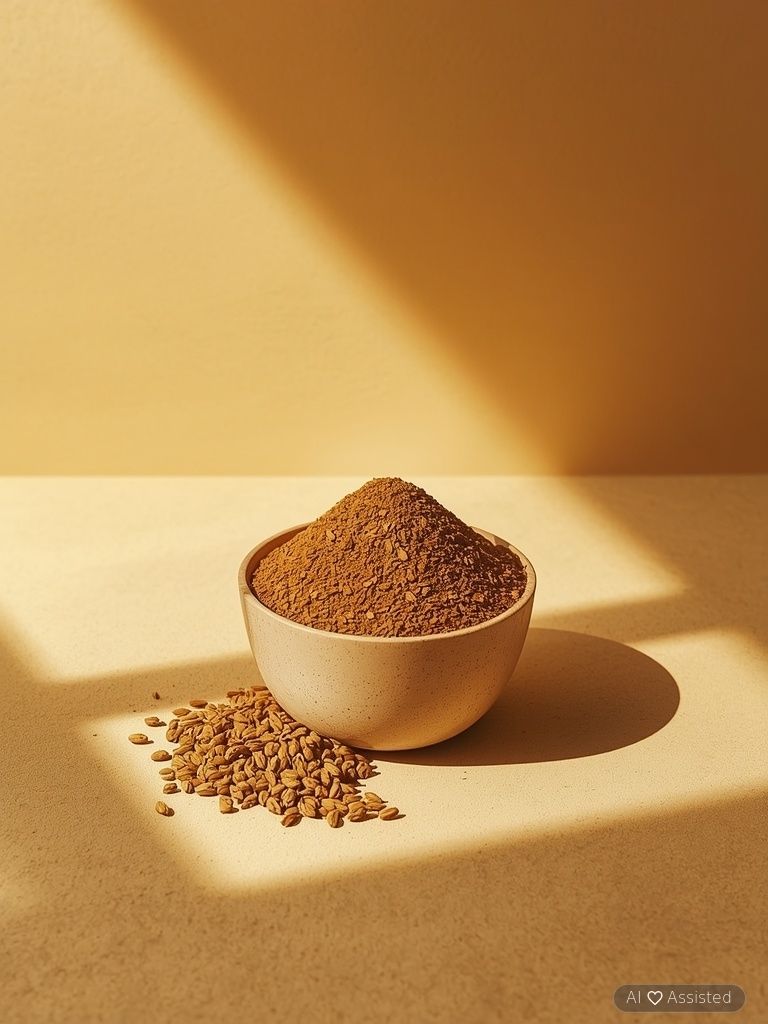
Roman cumin (*Cuminum cyminum*), commonly referred to as cumin, jeera, or black cumin in various culinary traditions, is an annual herbaceous plant distinguished by its deeply lobed, feathery foliage and delicate white to pale reddish blossoms. The plant’s fruit manifests as an elongated, oval-shaped schizocarp that, upon maturation, emits a potent, bittersweet aroma with pronounced earthy and peppery undertones [1]. Native to the Mediterranean basin as well as the western and central regions of Asia, this spice has been cultivated and revered for millennia, with its use documented in ancient texts, including biblical references that underscore its significance in Egyptian and Near Eastern societies—both as a culinary staple and as an ingredient in sacred incense blends [1]. In contemporary gastronomy, Roman cumin remains indispensable, lending its distinctive, warmly pungent fragrance to an array of dishes, from savory meat preparations and aged cheeses to artisanal liqueurs and herbal infusions [1].

Roman cumin: Comprehensive profile of its medicinal and cosmetic applications

The fruit of Roman cumin (*Fructus Cumini*) serves as a rich reservoir of bioactive compounds, including essential oils composed of cumin aldehyde, perillaldehyde, cymene, phellandrene, pinene, alongside proteins, tannins, resins, and lipid fractions [1]. Historically, this plant has been valued for its digestive-regulating and appetite-stimulating properties. Within rheumatological practice, Roman cumin is incorporated into topical formulations designed to alleviate painful inflammatory conditions [1]. Emerging evidence suggests that its consumption may contribute to reduced blood glucose levels, an effect potentially attributable to the synergistic action of trace minerals such as zinc and manganese, in conjunction with cumin aldehyde. Scholarly sources further indicate its possible role in lipid profile modulation—lowering triglyceride concentrations and LDL cholesterol (commonly referred to as "bad" cholesterol) while elevating HDL cholesterol (the "good" cholesterol), though findings remain inconclusive in this regard [4–7]. In the cosmetic industry, cumin extract, prized for its distinctive aroma, is integrated into skincare creams and oral hygiene products, enhancing their antimicrobial and refreshing attributes.

Cumin (*Cuminum cyminum*) in weight management: clinical evidence and physiological pathways

Emerging scientific evidence indicates that *Cuminum cyminum* (commonly known as cumin) may play a substantive role in facilitating weight loss among individuals with overweight or obesity. A rigorously designed randomized clinical trial involving 88 female participants demonstrated that daily supplementation with 3 grams of cumin—administered in two divided doses of yogurt over a three-month period—yielded measurable metabolic benefits. Notably, the intervention group, which adhered to the same caloric restriction protocol as the control group (which received only plain yogurt), exhibited statistically significant improvements in key anthropometric measurements. Beyond these structural changes, cumin supplementation was associated with favorable modifications in lipid metabolism: reductions in low-density lipoprotein (LDL) cholesterol, elevations in high-density lipoprotein (HDL) cholesterol, and decreased serum triglyceride concentrations. These findings collectively suggest that cumin may serve as a valuable adjunctive agent in the management of obesity and dyslipidemia [3].

Roman cumin versus common caraway: two distinct yet frequently conflated spices with unique characteristics and culinary-medicinal applications

Despite both belonging to the *Apiaceae* family, Roman cumin (*Cuminum cyminum* L.) and common caraway (*Carum carvi* L.) represent entirely distinct botanical species, differing markedly in morphology, organoleptic profile, and pharmacological properties. Roman cumin, characterized by its robust, occasionally citrus-forward spiciness and elongated seeds, is a staple in Middle Eastern and Mediterranean cuisines, whereas common caraway—with its milder, earthy undertones—has been integral to Central European culinary traditions, including Polish regional dishes, for centuries. Due to divergent climatic requirements, caraway thrives in temperate European zones, while Roman cumin necessitates warmer growing conditions. Both herbs exhibit significant health-promoting attributes: caraway is prized primarily for its gastrointestinal spasmolytic effects, stimulation of digestive secretions (including alleviation of bloating and postprandial fullness), and antimicrobial activity, as corroborated by phytotherapeutic research. Its infusions are frequently paired with fennel in herbal remedies for infants. Roman cumin, though less ubiquitous in Polish cuisine, was extolled in ancient texts—including biblical references—for its medicinal virtues. Despite their distinctions, both plants serve as valuable additions to both dietary and natural therapeutic practices, and their deliberate culinary application can enhance both flavor complexity and health benefits.
Kacper Nowak

Kacper Nowak

✓

Diets Premium Expert

Diets Premium team expert. Specializes in nutrition plans, strength sports, and training plans.

View Profile →
Recommended articles in this category

Related Articles

Discover similar publications and expert insights.

Carpets and other garment items, knitted or crocheted
Health
Carpets and other garment items, knitted or crocheted
⏱ 2 min czytania 📚 Health
#Mediterranean #Climbing
Anchois – Small Fish Similar to Sardines
Processed Snacks
Anchois – Small Fish Similar to Sardines
⏱ 2 min czytania
#Processed Snacks #Processed Foods
Anise – Properties for Wrinkles: Anise Seed Oil, Tea, Anise Butter
Digestive Disorders
Anise – Properties for Wrinkles: Anise Seed Oil, Tea, Anise Butter
⏱ 6 min czytania
#Digestive Disorders #Mediterranean
Kefir, Buttermilk, Yogurt – What Sets Them Apart and How to Use Them
Mediterranean
Kefir, Buttermilk, Yogurt – What Sets Them Apart and How to Use Them
⏱ 5 min czytania
#Mediterranean #Fermented
Lemon juice properties... do they genuinely have any adverse effects?
Mediterranean
Lemon juice properties... do they genuinely have any adverse effects?
⏱ 5 min czytania
#Mediterranean #Citrus
What are the specialties of anchois? Description of anchois, purchasing locations, recipes
Mediterranean
What are the specialties of anchois? Description of anchois, purchasing locations, recipes
⏱ 4 min czytania
#Mediterranean #European
Water Kefir: Properties and Applications
Fermented Beverages
Water Kefir: Properties and Applications
⏱ 4 min czytania
#Fermented Beverages #Mediterranean
Carob (St. John's bread) – Composition, Properties, and Culinary Applications
Mediterranean
Carob (St. John's bread) – Composition, Properties, and Culinary Applications
⏱ 3 min czytania
#Mediterranean #With Bread
Melons: an exploration of cultivars, distinctive traits, nutrient profile, and culinary applications
Food & Ingredients
Melons: an exploration of cultivars, distinctive traits, nutrient profile, and culinary applications
⏱ 4 min czytania 📚 Food & Ingredients
#Nutritional Values #Nutrition Facts
Dried tomatoes – in oil or without flood? How to prepare dried tomatoes
Dried Tomatoes
Dried tomatoes – in oil or without flood? How to prepare dried tomatoes
⏱ 7 min czytania
#Dried Tomatoes #Sun-dried Tomatoes
Spanish culinary heritage: defining characteristics, regional gastronomy, and authentic recipes
Seasonal Ingredients
Spanish culinary heritage: defining characteristics, regional gastronomy, and authentic recipes
⏱ 5 min czytania
#Seasonal Ingredients #Regional Specialties
Marjoram – Traditional Therapeutic Applications: Natural Relief for Cough, Rhinitis, and Sinusitis
Functional Foods
Marjoram – Traditional Therapeutic Applications: Natural Relief for Cough, Rhinitis, and Sinusitis
⏱ 3 min czytania 📚 Functional Foods
#Traditional Medicine #Mediterranean
What assignments can be executed with chestnuts? Attributes of chestnuts
Plant Cultivation
What assignments can be executed with chestnuts? Attributes of chestnuts
⏱ 4 min czytania
#Plant Cultivation #Middle Eastern
Tuna - attributes, nutritional value, preparation methods
Seafood
Tuna - attributes, nutritional value, preparation methods
⏱ 3 min czytania 📚 Seafood
#Fish #Tuna
Fresh vs. Dried Basil: Comparative Culinary, Phytochemical, and Nutritional Analysis
Nutritional Science
Fresh vs. Dried Basil: Comparative Culinary, Phytochemical, and Nutritional Analysis
⏱ 3 min czytania 📚 Nutritional Science
#Nutritional Benefits Of Plants #Culinary Versatility
Wild marjoram essential oil – therapeutic applications, usage restrictions, and recommended dosing protocols
Culinary Spice
Wild marjoram essential oil – therapeutic applications, usage restrictions, and recommended dosing protocols
⏱ 4 min czytania
#Culinary Spice #Mediterranean
Peppers (Genus Capsicum) – Vitamin C Powerhouse, Antioxidant Profile, and Culinary & Therapeutic Applications
Food & Ingredients
Peppers (Genus Capsicum) – Vitamin C Powerhouse, Antioxidant Profile, and Culinary & Therapeutic Applications
⏱ 2 min czytania 📚 Food & Ingredients
#Nutritional Composition #Traditional Medicine
Pattypan Squash (Patison) – Health Benefits, Nutritional Profile, and Culinary Applications
Food & Ingredients
Pattypan Squash (Patison) – Health Benefits, Nutritional Profile, and Culinary Applications
⏱ 3 min czytania 📚 Food & Ingredients
#Nutritional Composition #Nutritional Ingredients
Peperoni Peppers – Botanical Origin, Nutritional Composition, Health Properties, and Culinary Uses
Food & Ingredients
Peperoni Peppers – Botanical Origin, Nutritional Composition, Health Properties, and Culinary Uses
⏱ 3 min czytania 📚 Food & Ingredients
#Nutritional Composition #Nutritional Properties
Tahini Paste Explained: Characteristics, Pricing, and Where to Buy. How to Make Sesame Paste and Its Culinary Uses
Food & Ingredients
Tahini Paste Explained: Characteristics, Pricing, and Where to Buy. How to Make Sesame Paste and Its Culinary Uses
⏱ 4 min czytania 📚 Food & Ingredients
#Culinary Traditions #Culinary Uses
Therapeutic characteristics of arugula and contraindications... How to use arugula?
Anticancer Properties
Therapeutic characteristics of arugula and contraindications... How to use arugula?
⏱ 4 min czytania
#Anticancer Properties #Mediterranean Cuisine
Basil – Characteristics, Uses, and Storage Methods
Pesto Sauce
Basil – Characteristics, Uses, and Storage Methods
⏱ 6 min czytania
#Pesto Sauce #Savory
Folate Acids - Action, Sources in Food, Consequences of Deficiency, Supplementation
Pregnancy & Motherhood
Folate Acids - Action, Sources in Food, Consequences of Deficiency, Supplementation
⏱ 6 min czytania 📚 Pregnancy & Motherhood
#Pregnancy
Gluten - Good or Bad?
⏱ 6 min czytania
Emotional Hunger and Physical Hunger - How to Cope with Emotional Eating
⏱ 8 min czytania
Indian Mustard - properties and applications
⏱ 3 min czytania
Preparation and Cooking of Grain Kernels - Practical Guidelines and Advice
⏱ 5 min czytania
GEO - is it safe? What benefits does it offer?
⏱ 5 min czytania
Gluten – Who Really Suffers from It?
⏱ 10 min czytania
Granola - Ready-Made or Homemade? An Analysis and Decision Aid
⏱ 5 min czytania

Share