PRO
6 min read
Anise – Properties for Wrinkles: Anise Seed Oil, Tea, Anise Butter

Felix Weber
✓
Diets Premium Expert • 25.09.2026
✓
Scientifically reviewed by a clinical dietitian:
This article has been peer-reviewed for adherence to IŻŻ, WHO, and PTGiP clinical nutritional standards.
| Diets Premium Expert Felix Weber | min read 6 min | Scientifically reviewed by a clinical dietitian 25.09.2026 |
Smart Voice
•Listen to the article content live
0:00
/
0:00
Key Takeaways
Anise, also known as anise or anisette, is one of the older cultivated plants originating from the Mediterranean region... It is appreciated not only for its unique flavor that imparts taste to many dishes, but also for its medicinal properties used in the treatment of respiratory or digestive disorders.
Meal Plan
Want to apply these guidelines in your daily diet?
Our smart diet generator creates a tailored meal plan in 3 minutes based on the recommendations in this article.
PRO Content
PRO
This article is professional premium content (PRO) provided in its entirety.
Star Anise: Botanical Profile, Historical Origins, and Therapeutic Applications
Common anise (*Pimpinella anisum* L.), an annual herbaceous plant belonging to the carrot family (*Apiaceae*), is indigenous to the regions of Asia Minor and northeastern Africa, particularly Egypt. Historical evidence suggests that its cultivation first proliferated throughout the Mediterranean basin before being introduced to Poland during the medieval period by Benedictine monks. Presently, large-scale anise farming is uncommon in temperate climates, whereas the primary producing nations—including Spain, Turkey, Mexico, and Argentina—benefit from more favorable growing conditions. The Spanish variety is especially prized for its potent aroma and elevated essential oil content. The plant is characterized by an erect, unbranched stem reaching up to 60 centimeters in height, crowned with compound umbels of small white flowers. The greenish-gray, finely pubescent fruits mature in late summer, with harvests typically occurring in late August. Both the fruits and seeds serve as culinary spices and medicinal raw materials; however, due to the rapid volatilization of aromatic compounds, they must be stored in airtight, opaque containers to preserve their potency. Beyond its culinary applications—such as in baked goods, confections, and rye bread—anise plays a significant role in traditional medicine, where it is employed for both preventive and therapeutic purposes in the management of specific ailments [1].
Distinctive characteristics and therapeutic applications of anise in herbal medicine and nutrition
Common anise (*Pimpinella anisum*) serves as a valuable source of medicinal raw materials, primarily its seeds and essential oil, which are employed in the treatment of conditions with similar pathological profiles. Notably, anise—when combined with herbs such as thyme, ivy, and marshmallow—constitutes a fundamental component of extracts exhibiting well-documented expectorant and antispasmodic properties. These herbal formulations are routinely utilized in the management of persistent chronic cough, a condition often arising from upper respiratory infections or inflammatory disorders of the airway. Clinical evidence suggests that systematic administration of syrups derived from these botanicals may yield therapeutic benefits in up to 90% of respiratory ailments [2].
Anise as a Natural Anti-Aging Remedy: A Home-Based Solution for Wrinkles and Fungal Skin Infections
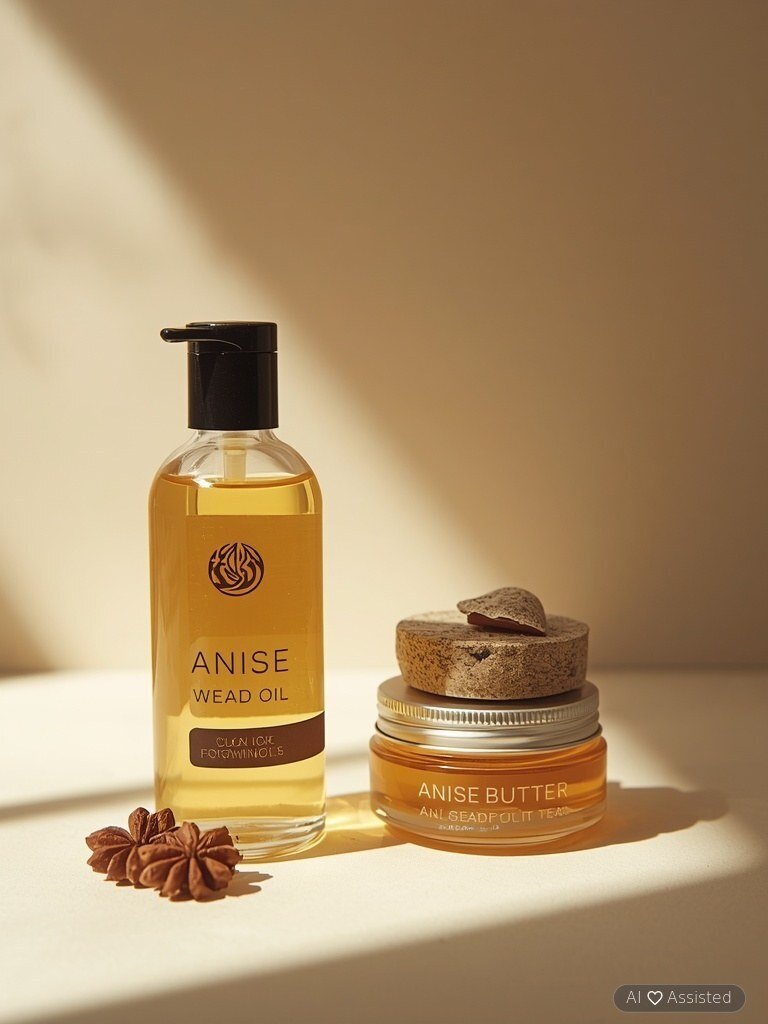
Anise, widely recognized as a fragrant culinary spice, also plays a significant role in the fields of cosmetology and aesthetic medicine. Its unique properties stem from the presence of anise acid in its seeds, a compound known for its potent preservative effects. Moreover, this acid exhibits substantial antimicrobial activity, effectively inhibiting the development of fungal infections. Due to these characteristics, anise not only prevents the formation of unsightly skin eruptions but also acts as a lifting and smoothing agent, thereby reducing the visibility of wrinkles. Preparing a homemade remedy is remarkably straightforward: one simply needs to boil water with four tablespoons of anise seeds, allow the mixture to cool, and then transfer the liquid into a clean container, such as an empty tonic or micellar water bottle. To achieve the best possible results, the solution should be left to infuse for a period of two weeks, allowing the active components to fully release. For consistent skincare, it is advised to soak a cosmetic pad in the resulting extract and use it to cleanse vulnerable skin areas twice daily, as recommended by specialists [4].
Essential anise oil – a multifunctional extract derived from star anise fruits with broad therapeutic and culinary applications
Anise oil, obtained through steam distillation of mature star anise fruits (*Illicium verum*), is distinguished by its high concentration of trans-anethole—a bioactive compound with well-documented secretolytic properties that facilitate the liquefaction and expulsion of bronchial mucus. Beyond its expectorant effects, clinical evidence supports its efficacy as an antispasmodic agent, particularly in alleviating paroxysmal coughs of spasmodic origin. The oil’s antifungal attributes further extend its utility to both preventive and adjunctive treatments for cutaneous and mucosal mycotic infections. Owing to its capacity to stimulate digestive enzyme secretion and enhance intestinal motility, it has garnered recognition in both traditional European medicine and global culinary practices. Its potent, sweetly pungent aroma is indispensable in baked goods such as gingerbread, yeast-based pastries, and sponge cakes, imparting a distinctive flavor profile. Notably, the oil exerts a stimulatory effect on the central nervous system; even minimal quantities added to morning grain coffee or dairy beverages can significantly enhance alertness and vigor. Additionally, its ability to mitigate postprandial discomfort following high-fat meals has led to its use as a natural digestive aid for protein-dense meat dishes [as corroborated by cited research, including reference 6].
Star anise fruit infusion: home remedies and therapeutic properties for digestive and lactation support
Infusions prepared from dried star anise fruits have long been employed as an effective traditional remedy for alleviating digestive disorders, abdominal bloating, and intestinal colic. The preparation of a medicinal decoction involves steeping one tablespoon of ground fruits in boiling water and simmering for approximately ten minutes—this resulting beverage, when consumed regularly in a dosage of half a glass three times daily, provides notable relief from gastrointestinal discomforts. Additionally, this infusion is particularly recommended for breastfeeding women experiencing insufficient milk supply, as well as a gentle supportive treatment for infantile colic and persistent cough in young children. Enhancing the infusion with chamomile amplifies its soothing properties, and administering two teaspoons of the prepared mixture every two hours may yield significant improvements in well-being [reference: 5].
Aniseed Liqueur: Historical Roots, Contemporary Uses, and a Homemade Recipe
Historical records indicate that anise cultivation in Poland dates back to the turn of the 15th and 16th centuries, where it was primarily employed as a key ingredient in the distillation of homemade spirits. To this day, anise oil remains an indispensable component in flavoring a variety of high-proof beverages, including distinctive specialties such as Bulgarian *Mastika* liqueur, French *Anisett*, and Turkish *Koki*. Within Polish culinary heritage, *anyżówka* represents a sweet, low-alcohol liqueur (typically containing no more than 25% alcohol by volume), distinguished by its crystalline clarity and an intense flavor profile reminiscent of the Greek *Ouzo*. Notably, the taste of anise has garnered particular favor among Scandinavian populations, where it is incorporated not only into alcoholic beverages but also into baked goods, chocolates, and confectionery. Moreover, a homemade anise liqueur can be readily prepared using the following detailed method. **Ingredients:** 20 g anise seeds, 0.25 L rectified spirit (95% ABV), 0.25 L pure vodka, honey to taste. **Preparation:** Place 20 g of anise seeds in a glass container with 0.25 L of spirit and store in a dark place for two weeks. After this period, strain the liquid, add 0.25 L of vodka to the spent seeds, and allow to infuse for another two weeks. Combine both infusions, sweeten with honey to achieve the desired flavor intensity, and consume three times daily in doses of 15–20 drops as a natural remedy for persistent coughs. There is no doubt that common anise (*Pimpinella anisum*) is one of the most exceptional plants, characterized by both its culinary versatility and its medicinal properties, particularly in addressing respiratory and digestive ailments.

mgr Felix Weber
✓Diets Premium Expert
Diets Premium team expert. Specializes in nutrition plans, strength sports, and training plans.
View Profile →