PRO
6 min read
Greek Yogurt – Ingredients, Properties, Recipes

Isabella Taylor
✓
Diets Premium Expert • 23.10.2026
✓
Scientifically reviewed by a clinical dietitian:
This article has been peer-reviewed for adherence to IŻŻ, WHO, and PTGiP clinical nutritional standards.
| Diets Premium Expert Isabella Taylor | min read 6 min | Scientifically reviewed by a clinical dietitian 23.10.2026 |

Smart Voice
•Listen to the article content live
0:00
/
0:00
Key Takeaways
Greek yogurt is one of the most widely appreciated and versatile fermented dairy products worldwide, characterized by its thick, velvety consistency and substantially higher protein density compared to standard plain yogurt. The authentic process of straining off liquid whey yields a luxurious texture and superior nutritional value. In this comprehensive guide, we explore its macronutrient profile, digestive and musculoskeletal benefits, practical home-straining techniques, and creative culinary applications.
Meal Plan
Want to apply these guidelines in your daily diet?
Our smart diet generator creates a tailored meal plan in 3 minutes based on the recommendations in this article.
PRO Content
PRO
This article is professional premium content (PRO) provided in its entirety.
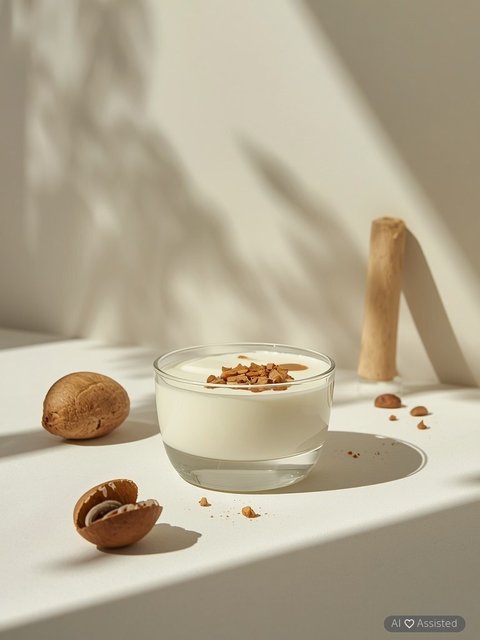
High-protein Greek-style yogurt with a rich, creamy texture
When selecting dairy products, most consumers instinctively consider plain natural yogurt as the foundational version of this fermented delicacy. However, the modern marketplace presents a far broader spectrum of options—ranging from yogurts enriched with fruit additives, aromatic extracts, or sweet syrups that transform them into flavorful variants with diverse sensory profiles, to products fortified with specially selected probiotic bacterial cultures extending beyond the standard *Streptococcus thermophilus* and *Lactobacillus bulgaricus* strains, thereby offering enhanced benefits for digestive health. An alternative format is represented by drinkable yogurts, a convenient solution for those seeking a quick and effortless consumption method, often favored by younger consumers. Among these varied choices, Greek-style yogurt stands out not only for its more pronounced taste but primarily for its significantly higher protein content and thicker, velvety texture, achieved through the straining process that removes whey during production.
Authentic Greek-style yogurt of traditional provenance
Traditional Greek-style yogurt is characterized by a subtly tangy, refreshing acidity, a pristine white hue, and an exceptionally velvety, dense texture with substantial viscosity. Much like conventional plain yogurt, its formation relies on the controlled fermentation of cow’s milk, wherein specific lactic acid bacterial strains—particularly *Lactobacillus delbrueckii* subsp. *bulgaricus* and *Streptococcus salivarius* subsp. *thermophilus*—play a pivotal role. The defining distinction from standard yogurt varieties, however, lies in an extended whey-draining phase: this meticulous process yields a final product with markedly greater thickness and an elevated concentration of whey proteins and caseins. As a direct consequence, the production of Greek yogurt demands a significantly higher volume of raw material—up to three times the amount of milk required for conventional yogurts to achieve an equivalent output [1]. This factor, compounded by prolonged processing times and increased energy expenditures, constitutes the primary justification for its premium retail pricing.
Greek yogurt is composed of calories
The following is a comparison of the nutritional value of natural yogurt and the type of Greek yogurt from the same manufacturer. However, the amount of protein in question is not higher than that of the natural yoghurt. This is related to the higher fat content of the Greek yoghort. The composition of this product, on the other hand, contains the same amount of carbohydrates and slightly less protein. As you can see, the yogurt available in our market only suggests that it is Greek yoghurts.
Lactose-reduced traditional Greek yogurt – a suitable option for individuals with dietary sensitivities
Retail shelves now feature specially processed Greek yogurt that has been stripped of lactose—the naturally occurring milk sugar—through advanced technological methods. By removing this component, the product becomes a safe dietary choice for consumers dealing with food allergies or lactose intolerance, allowing them to benefit from yogurt’s nutritional advantages without risking adverse physiological responses.
Pricing of authentic Greek-style yogurt – current retail rate overview
Market valuations for traditional Greek yogurt across digital retail platforms stand at approximately 7 PLN per 200-gram container. Organic-certified versions, manufactured in compliance with regulated bio-agricultural standards, are priced at roughly 14 PLN for a 500-gram package—equivalent to an approximate cost of 28 PLN per kilogram of product.
Greek yogurt: Nutritional composition and health-promoting attributes
Beyond its role as an energy source, does Greek yogurt offer additional health benefits? The bacterial cultures employed in its fermentation process synthesize measurable quantities of B-complex vitamins—specifically niacin and folic acid—while simultaneously breaking down lactose, the milk sugar that often poses challenges for individuals with lactose intolerance. Consequently, this fermented product tends to be better tolerated than conventional milk. Moreover, the yogurt bacteria contribute to a reduction in gastrointestinal pH levels, primarily through the generation of lactic acid during fermentation. This acidic environment enhances the absorption of critical trace minerals, including phosphorus and iron. As a dairy derivative, Greek yogurt serves as a rich reservoir of magnesium, potassium, and calcium, though its elevated fat content may partially compromise the bioavailability of the latter. The distinctively tangy flavor profile, attributable to lactic acid, stimulates the secretion of digestive juices, thereby promoting appetite. Nevertheless, it is important to note that the high fat concentration may diminish calcium absorption efficiency [1].
Homemade Greek yogurt cheese and versatile sauces based on it
Greek yogurt is distinguished by its remarkable versatility, proving equally effective in sweet dessert preparations and in savory, robust dishes. With minimal effort, one can produce labneh at home—a traditional Middle Eastern dairy product resembling a thick, creamy cheese. The preparation process involves mechanically separating the whey by straining the yogurt through a clean linen cloth or cheesecloth. The resulting cheese exhibits a velvety texture and a subtly tangy flavor, making it an excellent substitute for conventional butter on bread. Furthermore, labneh serves as an ideal foundation for crafting refined desserts such as tarts, mousses, or custards. Equally significant is the use of Greek yogurt as a base for a wide array of sauces. By incorporating carefully selected ingredients—ranging from sharp mustard and horseradish to aromatic garlic and sweet tomatoes—one can create flavor profiles that pair exceptionally well with salads, roasted meats, or even as dips for vegetables and bread. Its smooth consistency and neutral taste render it a unique medium for culinary innovation.
Greek Yogurt – Authentic Homemade Recipes and Preparation Methods
Greek yogurt can be served with fresh fruit, nuts, or seeds, and serves as an exceptional base for smoothies, desserts, savory marinades, and dressings. While readily available commercially, authentic Greek yogurt can be prepared at home with ease. Below are proven recipes for crafting high-protein strained yogurt in your kitchen.
Strained Method from Plain Yogurt:
Ingredients: 1 liter of plain natural yogurt, a fine-mesh strainer, multiple layers of cheesecloth, clean bowl. (1 liter yields approximately 650 ml of rich Greek-style yogurt).
Method: Line the strainer with folded cheesecloth and place it over the bowl. Pour in the natural yogurt and allow it to strain undisturbed for 1–2 hours in the refrigerator. When liquid whey accumulates and threatens to touch the bottom of the strainer, discard or reserve the whey for baking. Transfer the thickened yogurt into an airtight glass jar and refrigerate.
Traditional Method from Fresh Milk:
Ingredients: 1 liter of fresh whole milk (3.2% fat), 2 tablespoons of live culture plain yogurt, kitchen thermometer, strainer, cheesecloth, mixing bowl. (Yields approximately 2 large cups of dense yogurt).
Method: Heat the milk over medium heat until it reaches 82°C (180°F) to denature whey proteins for superior firmness. Remove from heat and cool down to 43–46°C (110–115°F). Whisk in the 2 tablespoons of live active yogurt until fully dispersed. Pour the mixture into a clean glass jar, seal, and incubate in a warm environment (43–45°C) for 6–8 hours (e.g., inside an unheated oven with the light bulb turned on). Once set, pour the yogurt into a cheesecloth-lined sieve over a bowl and strain out excess whey for 1–2 hours. Whisk smoothly and store chilled.
Rich Cream-Enriched Version:
Ingredients: 2 liters of whole milk, 1 small container of light sour cream (12% or 18%), 1 container of plain natural yogurt with live cultures.
Method: Combine milk and cream, gently heating to 43°C. Stir in the plain yogurt thoroughly, cover tightly, and allow to ferment in a warm location overnight. The following morning, strain the fermented curd through a cheesecloth-lined colander for 1 to 2 hours until the desired dense, luxurious Greek-style texture is achieved. Transfer to a sealed container and refrigerate for up to one week.
A refreshing composition with creamy Greek yogurt – an idea for a wholesome meal or dessert
A dish centered around Greek yogurt can effectively diversify an evening meal plan, particularly when supplemented with roasted or grilled poultry—such as succulent chicken thighs or tender turkey slices—or by incorporating bold-flavored cheeses like buffalo mozzarella or traditional sheep’s milk feta. Alternatively, by pairing it with ripe, in-season fruits—strawberries, raspberries, or peaches—it transforms into a light yet nutrient-dense substitute for sugary treats. Greek yogurt stands out for its high nutritional value, attributable both to its classification as a fermented dairy product and to the presence of live bacterial cultures that aid digestion. However, it is important to note that due to its unique production process—which involves straining off whey—this variety contains significantly more fat than conventional plain yogurt. Individuals tracking their macronutrient intake should take particular heed of this, especially since the non-fat version (0% fat) contains over twice the amount of high-quality protein, making it an appealing choice for those who are physically active or conscious of their physique.

Isabella Taylor
✓Diets Premium Expert
Diets Premium team expert. Specializes in nutrition plans, strength sports, and training plans.
View Profile →