White button mushrooms in the daily diet – nutritional properties, calories, vitamins, and culinary uses

| Diets Premium Expert Katarzyna Mazur | min read 3 min | Scientifically reviewed by a clinical dietitian 23.10.2026 |
Smart Voice
•Listen to the article content live
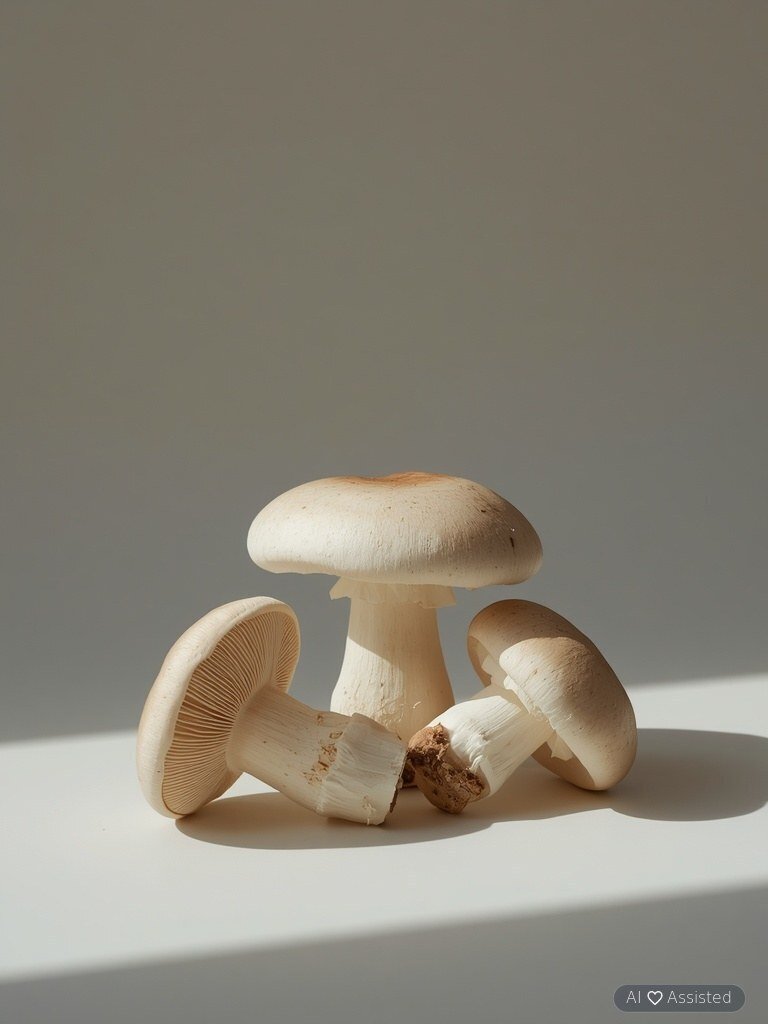
White button mushrooms (Agaricus bisporus) are the most widely cultivated edible fungi in the world. Contrary to outdated folk myths claiming that mushrooms offer only flavor without nutrition, clinical food science confirms that they are a nutrient-dense, low-calorie functional food.
Button mushrooms supply digestible protein with a favorable essential amino acid profile, structural polysaccharides (chitin and immunomodulatory beta-glucans), abundant B-complex vitamins (riboflavin, niacin, pantothenic acid, biotin, and folate), ergosterol (provitamin D2), critical trace minerals including selenium, copper, potassium, and phosphorus, as well as the potent cytoprotective antioxidant L-ergothioneine.
Want to apply these guidelines in your daily diet?
Our smart diet generator creates a tailored meal plan in 3 minutes based on the recommendations in this article.
Nutritional properties of button mushrooms – protein, chitin, vitamins, and minerals
Fresh button mushrooms consist of approximately 91–92% water, while their dry matter is remarkably rich in structural nutrients and bioactive compounds:
- Protein and essential amino acids: accounting for 30–35% of mushroom dry weight, mushroom proteins contain all nine essential amino acids (including lysine, leucine, and threonine), making them a valuable protein complement in vegetarian and vegan diets.
- Chitin and beta-glucans: fungal cell walls are constructed from chitin and soluble beta-glucans. These prebiotic fibers enhance gastric satiety, nourish beneficial gut microbiota, and help reduce intestinal absorption of dietary cholesterol and lipids.
- B-complex vitamins and provitamin D2: button mushrooms are an outstanding source of riboflavin (B2), niacin (B3), pantothenic acid (B5), and bioavailable folate (B9). They also contain ergosterol, which converts into active vitamin D2 (ergocalciferol) when exposed to ultraviolet light.
- Trace minerals and L-ergothioneine: they supply selenium, copper, potassium, phosphorus, and zinc alongside L-ergothioneine and glutathione—specialized antioxidants that protect mitochondrial DNA against oxidative damage.
How many calories do button mushrooms have? Energy value and macronutrients per 100 g
Button mushrooms rank among the lowest-energy-density foods available, making them an ideal volume-enhancing ingredient for weight reduction, insulin resistance, and type 2 diabetes management.
Nutritional profile per 100 g of raw white or cremini (brown) button mushrooms:
- Energy value: approx. 22 kcal,
- Total protein: approx. 3.0–3.1 g,
- Total fat: approx. 0.3–0.4 g (predominantly polyunsaturated linoleic acid),
- Total carbohydrates: approx. 3.3 g (with only 1.0–1.9 g of digestible sugars),
- Dietary fiber: approx. 1.0–2.0 g,
- Glycemic index (GI): very low (GI = 10–15).
Adding 200 g of sautéed mushrooms to an omelet, grain bowl, pasta dish, or vegetable stew substantially increases meal volume and savory umami satisfaction while contributing fewer than 45 kcal.
Functional health benefits and culinary applications of button mushrooms
Thanks to their rich array of secondary metabolites, button mushrooms are recognized as a functional food with documented preventive potential against chronic diseases:
- Immunomodulatory and chemopreventive properties: fungal beta-1,3/1,6-glucans stimulate macrophage and natural killer (NK) cell activity, while conjugated fatty acids and lectins in Agaricus bisporus have been shown in experimental studies to inhibit aromatase (the enzyme catalyzing peripheral estrogen biosynthesis)—a mechanism actively investigated in hormone-dependent breast and prostate cancer prevention.
- Culinary versatility and digestibility: button mushrooms excel in velvety soups, vegetable ragùs, grain risottos, stuffings, and oven-roasted dishes. Although cultivated button mushrooms lack the dangerous toxins of wild fungi, brief thermal cooking (sautéing in a touch of olive oil, roasting, or steaming without heavy cream or roux) softens chitinous cell walls, degrades trace agaritine, and maximizes digestive comfort and nutrient bioavailability.
Tags

Katarzyna Mazur
✓Diets Premium Expert
Diets Premium team expert. Specializes in nutrition plans, strength sports, and training plans.
View Profile →