Food science
4 min read
Slippery Jack (Suillus luteus): Identification, Nutritional Value, and Culinary Applications

Laura Schneider
✓
Diets Premium Expert • 23.10.2026
✓
Scientifically reviewed by a clinical dietitian:
This article has been peer-reviewed for adherence to IŻŻ, WHO, and PTGiP clinical nutritional standards.
| Diets Premium Expert Laura Schneider | min read 4 min | Scientifically reviewed by a clinical dietitian 23.10.2026 |
Smart Voice
•Listen to the article content live
0:00
/
0:00
Key Takeaways
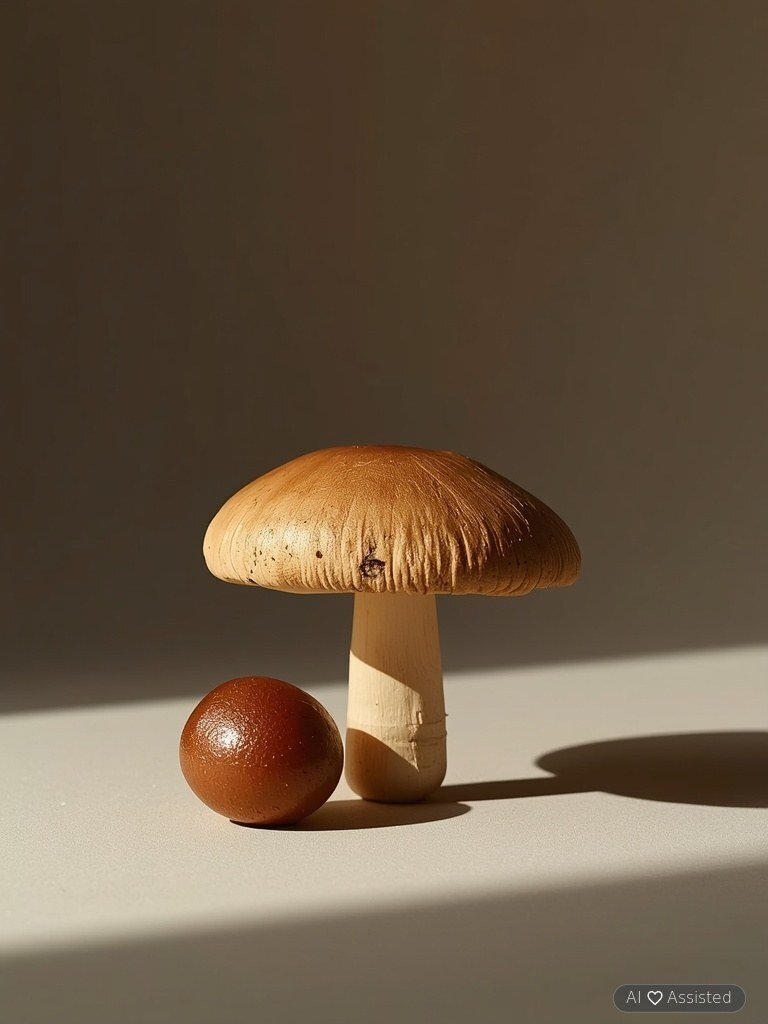
The Slippery Jack (Suillus luteus) is an esteemed edible mycorrhizal mushroom thriving in pine woodlands across Europe. This guide covers its visual identification features, distinctive gelatinous pellicle, nutritional profile, and classic culinary preparations, including traditional pickling recipes and savory wild mushroom scrambles.
Meal Plan
Want to apply these guidelines in your daily diet?
Our smart diet generator creates a tailored meal plan in 3 minutes based on the recommendations in this article.
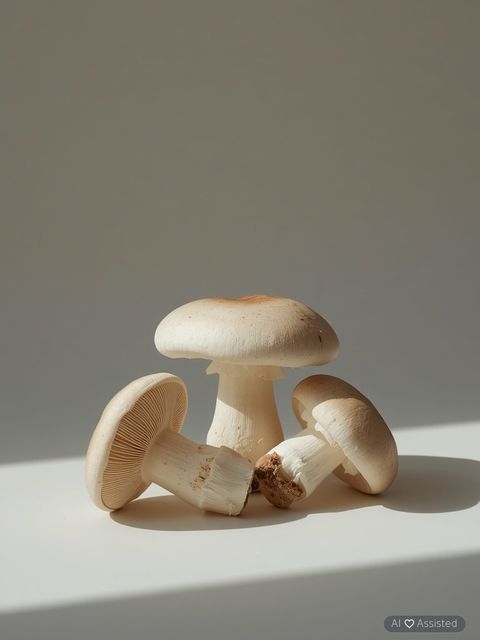
What does butter look like?
Fungi and plant organisms that are their hosts have evolved over the millennia, producing new mechanisms to optimize and extend the longevity of species as well as their roots. Such cooperation involves the mutual exchange of unnecessary and vital chemical compounds [2]. Fungals and plant bodies, which have been co-evolving for millenaries, are also associated with fungi because they exhibit mutualistic relationships with their root systems.
It's marinated oils
Pickling in a mild vinegar brine is among the finest methods for preserving Slippery Jacks. Prior to cooking, peel off the slimy cap cuticle, rinse thoroughly, and parboil the mushrooms for 10–15 minutes in salted water. Pickling brine: Combine 1 liter of water, 250 ml of vinegar (or cider vinegar), 2 tablespoons of sugar, 1 tablespoon of sea salt, bay leaves, allspice, and peppercorns. Pack the mushrooms into sterilized glass jars, cover with boiling marinade, and process in a water bath for 15 minutes.
It's a prescription for butter
Recipe for Wild Mushroom Scramble with Slippery Jacks:
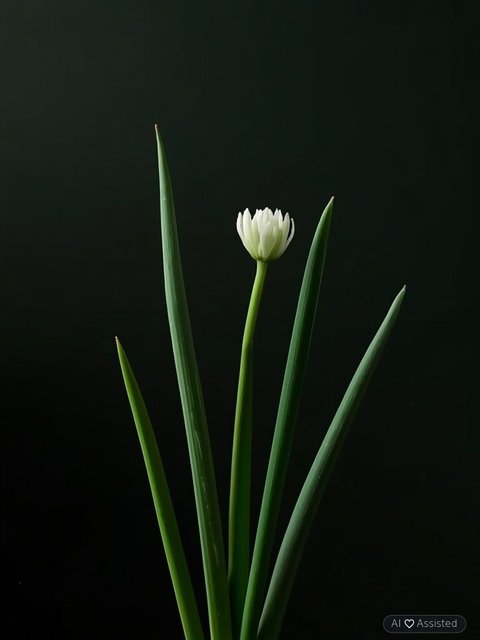
Ingredients: 3–4 fresh farm eggs, 150 g of peeled and sliced Slippery Jack mushrooms, 1 small diced onion, 1 tablespoon of butter, sea salt, freshly cracked black pepper, and fresh chives.
Preparation: Melt butter in a skillet, sauté onion until translucent, then add mushrooms and cook for 8–10 minutes until moisture evaporates. Gently pour in beaten eggs, season, and stir over low heat until softly set and creamy. Garnish with chives and serve with crusty whole-grain bread.
Tags

Laura Schneider
✓Diets Premium Expert
Diets Premium team expert. Specializes in nutrition plans, strength sports, and training plans.
View Profile →