Key Takeaways
The oyster mushroom (Pleurotus ostreatus) ranks among the most nutritionally potent and culinarily versatile edible mushrooms globally, widely recognized by contemporary food science as a premier functional food. Beyond its succulent, meaty texture and deeply satisfying umami flavor, it offers an exceptional pharmacological profile: abundant immune-modulating beta-glucans (specifically pleuran), naturally occurring lovastatin that optimizes lipid homeostasis, as well as high concentrations of B-complex vitamins, antioxidants, and essential trace minerals. Discover the evidence-based medicinal properties of oyster mushrooms, optimal preparation techniques, and curated culinary recipes.
Oyster mushrooms (Pleurotus spp.) – cultivation and utilization in food production and biotechnological applications
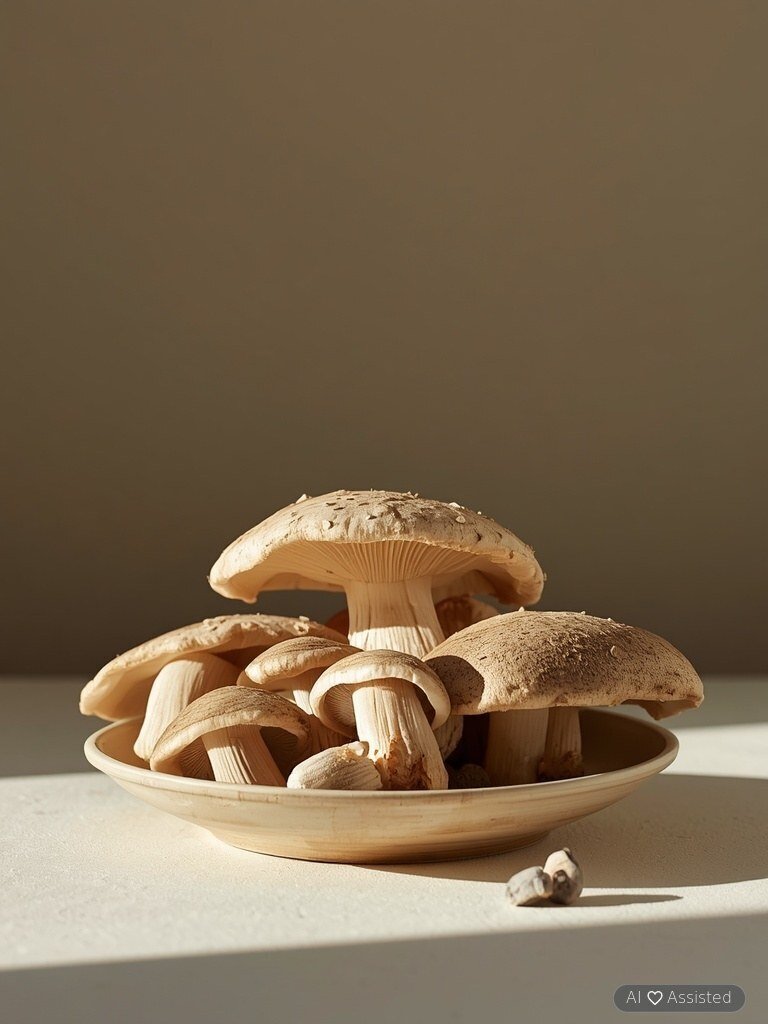
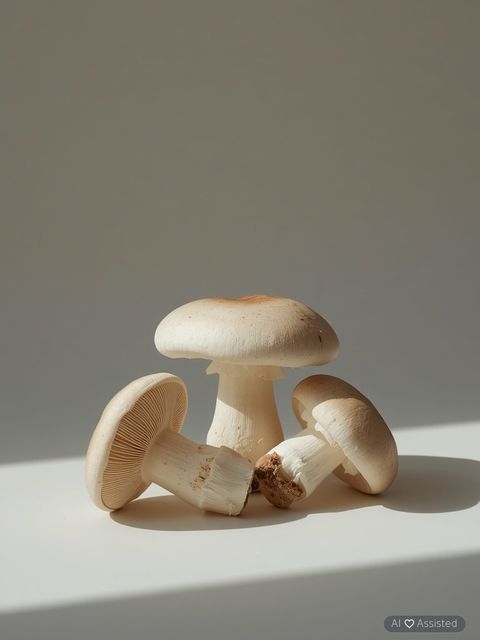
While the majority of fungal species exhibit limited nutritional value, a notable exception exists in the form of **oyster mushrooms** (*Pleurotus* spp.), which represent a significant dietary resource. These fungi are distinguished by their **shell-like caps**, ranging in hue from pale grey to deep dark brown. A defining characteristic is their **lateral growth pattern** on the trunks of deciduous trees—a feature uncommon among most cap-and-stem mushrooms. Oyster mushrooms occur naturally across diverse environments, including deciduous forests, urban parks, and domestic gardens. Their primary growth season spans from late autumn to early spring (November to February), contingent upon mild climatic conditions. Beyond their culinary applications, these fungi hold substantial importance in **biotechnological fields**, particularly in bioremediation processes and the synthesis of bioactive compounds. Owing to their **ease of cultivation, high yield potential, and versatility**, they have ascended to become the **second-most cultivated mushroom globally**, surpassed only by button mushrooms (*Agaricus bisporus*). Their distinctive **flavor profile and aromatic qualities**, coupled with a rich nutritional composition (including proteins, B-complex vitamins, and essential minerals), render them an especially valuable dietary supplement—particularly for individuals adhering to **vegetarian or vegan diets**, where they may serve as a critical source of otherwise scarce micronutrients and macronutrients.
Oyster mushrooms (*Pleurotus ostreatus*) and their cultivated variants, including unsweetened and sweetened preparations
Within the genus *Pleurotus*, a diverse array of morphological variants exists, including pink-hued specimens and a cultivar colloquially referred to as the "Santa Claus oyster mushroom," though the most ubiquitous and commercially significant species remain *Pleurotus ostreatus* (the common oyster mushroom) and its close relative, *Pleurotus citrinopileatus* (the golden oyster mushroom). In wild ecosystems, these fungi primarily colonize the trunks of decaying or compromised deciduous trees, demonstrating a marked affinity for poplars (*Populus* spp.) and willows (*Salix* spp.); however, specimens available in large-scale retail outlets—particularly hypermarkets—are predominantly sourced from controlled agricultural cultivation. The species exhibits remarkable ecological plasticity, thriving across nearly all continental climates with the sole exception of Antarctica, where environmental extremes preclude its growth. In Poland, *P. ostreatus* is categorized as a common fungus, exempt from conservation measures due to its extensive geographical distribution and high frequency of occurrence. Its natural substrate consists of dead, decomposing wood, where it forms dense clusters of fruiting bodies varying in cap size—from diminutive, nascent specimens to fully mature, shelf-like structures whose overlapping arrangement evocatively resembles oyster beds, hence the vernacular nomenclature. Phenologically, peak fruiting occurs in late autumn, though mild winter conditions may extend its presence into early spring. From a gastronomic perspective, young fruiting bodies are deemed superior, characterized by tender, delicate flesh and an absence of the astringent aftertaste that develops in older specimens.
Cultivating oyster mushrooms: a step-by-step process from substrate preparation to harvest
As demand for oyster mushrooms as a nutritious food source has surged, natural supplies have proven insufficient, necessitating large-scale controlled cultivation to meet market needs. These highly adaptable fungi do not require overly complex growing conditions; rather, success hinges on meticulous substrate preparation, thorough sterilization, precise inoculation with spawn, and strict adherence to optimal incubation parameters. The primary material for constructing an ideal growth medium is high-quality straw, preferably derived from hard grains or rapeseed, frequently supplemented with additional organic components such as corn stalks or wheat bran to significantly enhance the substrate’s nutritional profile. The process further demands maintaining a tightly controlled moisture level of 70–72% and subjecting the substrate to thermal disinfection at 60°C for several hours to eradicate potential pathogens and competing microorganisms.
Oyster mushrooms: Current pricing and purchasing guidelines
Within retail supermarket chains, the pricing of oyster mushrooms typically ranges from four to six dollars per 250-gram package. Meanwhile, online marketplaces feature an extensive array of listings from independent mushroom cultivators. Prior to making a purchase, however, it is strongly advised to thoroughly investigate the specific cultivation practices employed. The most prudent approach remains sourcing these fungi exclusively from verified suppliers who ensure both superior quality and food safety compliance.
Oyster mushrooms: Comprehensive nutritional profile, caloric assessment, and bioactive composition for dietary applications
Oyster mushrooms exhibit an exceptionally low energy density, providing only 32 kilocalories per 100-gram serving, which positions them as an optimal dietary component for individuals monitoring caloric intake or adhering to weight-management regimens. Their lipid content is minimal, with the predominant fraction comprising cardioprotective monounsaturated and polyunsaturated fatty acids. Notably, this fungal species serves as a rich source of high-quality, readily bioavailable protein, rendering it a viable alternative protein source for vegan and vegetarian diets. Furthermore, oyster mushrooms deliver a spectrum of B-complex vitamins (including riboflavin, niacin, and pyridoxine), ergocalciferol (vitamin D2), and folic acid—critical for neurological function. Among the micronutrients, electrolytes predominate: potassium, which regulates blood pressure; calcium, essential for skeletal integrity; and sodium, which maintains fluid-electrolyte balance. The table below outlines the detailed nutritional composition per 100 grams of fresh product: **Table 1.** Nutritional breakdown of 100 g oyster mushrooms: Metabolic energy — 32 kcal; Total protein — 2.5 g (including exogenous amino acids); Digestible carbohydrates — 5.0 g (with a substantial fiber component); Total lipids — 0.2 g (primarily unsaturated).
Therapeutic and health-promoting properties of oyster mushrooms: mechanisms of action and clinical applications
Of paramount health significance are β-glucans—polymeric carbohydrate structures with well-documented immunomodulatory effects. These bioactive compounds not only facilitate the regeneration of damaged gastrointestinal mucosal barriers but also exhibit adjuvant potential in oncology through selective inhibition of neoplastic cell proliferation. Their primary function involves the activation of signaling pathways responsible for the maturation of T lymphocytes and macrophages, thereby enhancing the organism’s immune response. Furthermore, oyster mushrooms constitute a rich source of polyphenolic antioxidants and glycoprotein-based antimicrobial agents, including taurine—an amino acid that supports metabolic homeostasis. The low glycemic index of these fungi renders them particularly valuable in the diets of individuals with insulin resistance or type 2 diabetes mellitus, while their polysaccharides (e.g., pleuran) regulate glycemia by modulating glycolytic enzyme activity. Preclinical studies additionally corroborate their cardioprotective effects, linked to their capacity to reduce low-density lipoprotein cholesterol concentrations and normalize arterial blood pressure parameters.
Comprehensive Guide: Step-by-Step Techniques for Preparing Oyster Mushrooms with Precision
Oyster mushrooms are distinguished by their exceptionally fragile and brittle texture, necessitating meticulous handling during the cleaning process to avoid structural damage. Prolonged submersion in water should be scrupulously avoided, as it inevitably leads to excessive moisture absorption, thereby compromising both their firmness and flavor profile. For culinary applications, younger, medium-sized specimens are highly recommended, as their caps retain a more succulent and tender consistency compared to their larger, mature counterparts, which may develop a fibrous or stringy texture over time. Once properly cooked, oyster mushrooms exhibit remarkable versatility in gastronomy: they enhance the depth of fresh salads and robust soups, serve as a savory filling for dumplings, crêpes, or casseroles, and elevate the taste of omelets with their distinct nutty undertones. Furthermore, their adaptability extends to preservation techniques, including air-drying for long-term storage, pickling in spiced vinegar solutions to accentuate their natural tang, or pan-searing with minimal oil to achieve a crispy exterior while locking in their inherent umami richness.
Oyster mushrooms in culinary practice: Verified recipes and versatile applications for a nutrient-rich ingredient
Oyster mushrooms represent an exceptionally versatile culinary ingredient that lends itself to diverse thermal processing methods—including roasting, frying, braising, and boiling. Their tender yet robust texture and distinctive umami flavor profile make them equally suitable as a standalone dish or as a flavor-enhancing complement to complex recipes. This comprehensive guide provides step-by-step instructions for preparing two quintessential dishes: **crispy breaded mushroom cutlets** with a golden crust and a **velvety oyster mushroom soup** enriched with root vegetables. Additionally, the text explores alternative preservation techniques (dehydration, pickling) and presents innovative pairings with meat-based dishes, pasta variations, dumpling fillings, and savory tarts. It is noteworthy that oyster mushrooms not only elevate the taste of meals but also substantially boost their nutritional value due to their high protein content, dietary fiber, and essential micronutrients.