Culinary Lavender: Distinctive Traits, Practical Applications and Time-Tested Gastronomic Recipes

Laura Schneider
Laura Schneider ✓
Diets Premium Expert • 23.10.2026
✓
Scientifically reviewed by a clinical dietitian: This article has been peer-reviewed for adherence to IŻŻ, WHO, and PTGiP clinical nutritional standards.
Diets Premium Expert Laura Schneider min read 4 min Scientifically reviewed by a clinical dietitian 23.10.2026
Culinary Lavender: Distinctive Traits, Practical Applications and Time-Tested Gastronomic Recipes

Smart Voice

•

Listen to the article content live

0:00 / 0:00
Key Takeaways

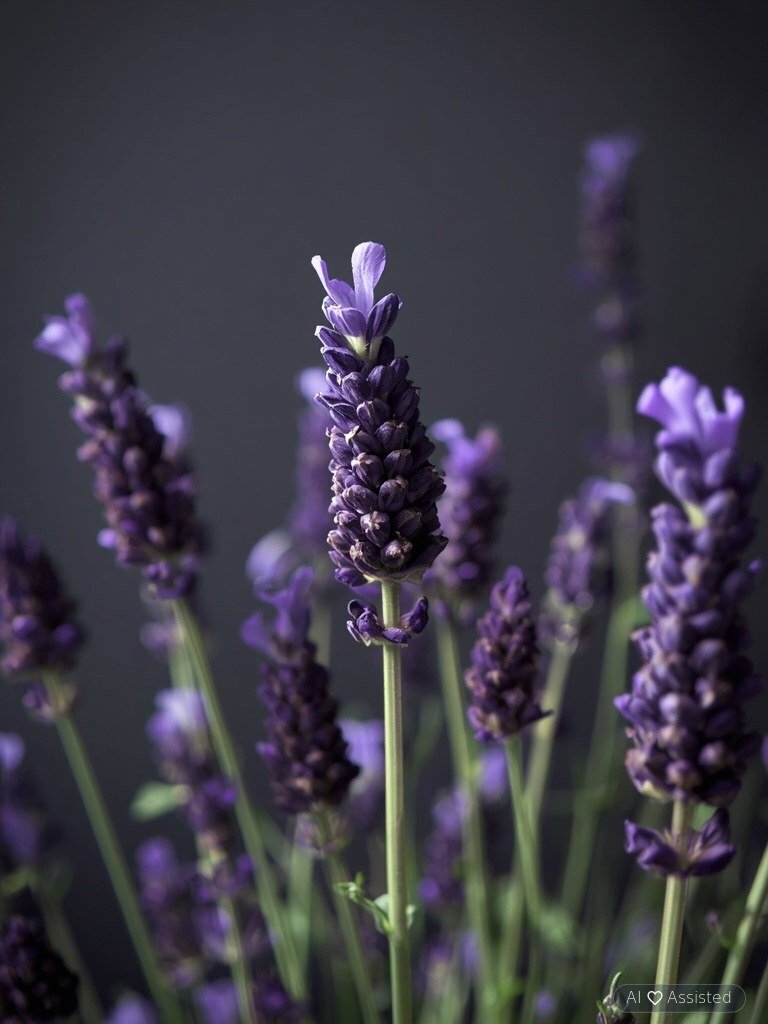
Within the genus Lavandula, over forty distinct botanical varieties can be identified, each exhibiting floral clusters in a diverse spectrum of hues—ranging from soft lavender tones to rich, deep blues. Every cultivar possesses a unique aromatic signature, which has earned the plant admiration not only for its ornamental qualities but also for its well-documented medicinal properties and its capacity to yield premium-grade honey. Essential oil extracts derived from lavender, particularly lavender oil itself, hold a preeminent position in the field of aromatherapy while also serving as a key ingredient in cosmetic formulations designed for skincare and relaxation. Nevertheless, it is the leaves, blossoms, and stems of this plant that have garnered exceptional acclaim within culinary circles, where their delicate flavor profile and scientifically validated health benefits—corroborated by both traditional knowledge and contemporary research—are highly prized.

Meal Plan

Want to apply these guidelines in your daily diet?

Our smart diet generator creates a tailored meal plan in 3 minutes based on the recommendations in this article.

Lavender: Botany, Raw Material, and Phytochemical Profile

Lavender (Latin: Lavandula) is a perennial, highly branched subshrub belonging to the mint family (Lamiaceae). The premier source of its essential oil is primarily derived from two botanical taxa: true English lavender (Lavandula angustifolia Miller) and lavandin (Lavandula intermedia Loisel).

Lavender blossoms yield up to 3% volatile essential oil rich in linalyl acetate and linalool, alongside approximately 12% phenolic acids, triterpenoid acids (ursolic and oleanolic acid), coumarins, anthocyanins, tannins, flavonoids, and phytosterols. The plant thrives in well-drained, alkaline limestone soils under full solar exposure, blooming steadily between June and September.

Culinary applications utilize both dried leaves, featuring a pleasantly pungent bitter note, and unblemished flower buds. Floral spikes are harvested just prior to full anthesis, when essential oil density is peaked. The plant imparts a distinct, perfumed, pine-herbaceous flavor profile bearing subtle similarities to rosemary.

Phytopharmacological Properties and Systemic Health Benefits

Beyond its culinary utility, lavender displays an extensive, empirically validated phytopharmacological spectrum:

  • Neuropsychiatric Modulation: Linalool and linalyl acetate positively modulate GABAergic neurotransmission, delivering pronounced anxiolytic, sedative, and sleep-enhancing benefits.
  • Gastrointestinal Function: Bioactive constituents stimulate gastric juice and bile secretion (choleretic effect), support gastrointestinal motility, and exert spasmolytic effects on smooth muscle tissue, alleviating meteorism, cramping, and functional dyspepsia.
  • Antimicrobial and Anti-inflammatory Action: Polyphenols and terpenes suppress common pathogens; infusions and inhalations provide notable adjunct relief in upper respiratory tract inflammation (pharyngitis, sinusitis, bronchitis).
  • Spasmolytic Comfort: Hot herbal infusions mitigate tension headaches as well as visceral dysmenorrhea associated with uterine smooth muscle contraction.

Culinary Uses and Flavor Pairings in Gastronomy

Across Mediterranean culinary traditions—most prominently in French, Italian, and Spanish cooking—lavender is a prized aromatic botanical requiring careful dosing due to its flavor potency:

  • Herbal Blends: It is a signature component of authentic Herbes de Provence, balancing alongside basil, savory, thyme, marjoram, and hyssop.
  • Savory Courses: A light touch of lavender elevates roast lamb, game meat, poultry, Mediterranean fish chowders, ratatouille, and barbecue marinades.
  • Confectionery and Baking: Floral infusions impart floral nuance to artisanal ice creams, dark and white chocolate ganaches, shortbreads, panna cotta, and homemade lavender sugar.
  • Honey and Infused Beverages: Provençal lavender honey, renowned for its amber clarity and delicate bouquet, enhances warm tisanes, citrus lemonades, and aged goat cheeses.

Time-Tested Recipes: Lavender Ice Cream and Baked Camembert

Two refined, reliable recipes showcasing the balance of culinary lavender in sweet and savory dishes:

1. Velvety Lavender Ice Cream with White Chocolate

  • Ingredients: 500 ml heavy cream (36% fat), 2 large egg yolks, 90 g caster sugar, 100 g premium white chocolate, 1 level tsp food-grade dried culinary lavender buds.
  • Method: Heat heavy cream with lavender until scalding point, remove from heat, steep covered for 20 minutes, strain through a fine-mesh sieve, and refrigerate overnight. Whisk egg yolks with sugar until pale and thick. Gently melt white chocolate in a double boiler with 3 tbsp of lavender cream, then cool slightly. Whip remaining chilled cream to soft peaks, fold into egg mixture followed by melted chocolate. Churn in an ice cream maker or freeze in a shallow dish, whisking every 30 minutes until silky.

2. Baked Camembert with Honey, Lavender, and Hazelnut Oil

  • Ingredients: 1 wheel Camembert cheese (250 g), 3 handfuls fresh wild arugula, 1 tbsp cold-pressed hazelnut oil, 1 tbsp extra virgin olive oil, 1 tsp raw honey, pinch of dried culinary lavender, several fresh rosemary needles.
  • Method: Preheat oven to 180°C (350°F). Place Camembert in a small baking dish, pierce skin lightly, drizzle with honey and hazelnut oil, and sprinkle with crushed lavender and rosemary. Bake for 8–10 minutes until molten in the center. Arrange immediately over a bed of olive-oil dressed arugula and serve hot with crusty sourdough bread.

Culinary Best Practices, Botanical Selection, and Safety

To achieve culinary excellence without imparting an overpowering medicinal or soapy astringency, adhere to these fundamental guidelines:

  • Species Authenticity: Strictly utilize true English lavender (Lavandula angustifolia) for culinary dishes. Avoid French lavender (Lavandula stoechas), whose high camphor fractions render it harsh and unpalatable.
  • Food-Grade Certification: Procure exclusively food-grade botanical products or organically cultivated blossoms free of synthetic agrochemicals. Florist-grade decorative cut flowers must never be ingested.
  • Culinary Moderation: Always initiate seasoning with minute quantities (a pinch to 1/2 teaspoon), sampling incrementally.
  • Clinical Precautions: Concentrated extracts should be used cautiously during pregnancy and avoided in conjunction with heavy central nervous system depressants due to potential additive sedative interactions.
Laura Schneider

Laura Schneider

✓

Diets Premium Expert

Diets Premium team expert. Specializes in nutrition plans, strength sports, and training plans.

View Profile →
Recommended articles in this category

Related Articles

Discover similar publications and expert insights.

Fresh vs. Dried Basil: Comparative Culinary, Phytochemical, and Nutritional Analysis
Nutritional Science
Fresh vs. Dried Basil: Comparative Culinary, Phytochemical, and Nutritional Analysis
⏱ 3 min czytania 📚 Nutritional Science
#Nutritional Benefits Of Plants #Culinary Versatility
Healthy and Safe Grilling: Mitigating HCAs and PAHs, Protective Antioxidant Marinades, and Nutrient-Dense Sides
Nutritional Science
Healthy and Safe Grilling: Mitigating HCAs and PAHs, Protective Antioxidant Marinades, and Nutrient-Dense Sides
⏱ 4 min czytania 📚 Nutritional Science
#Light And Nutritious Meals #Dietary Misconceptions
Surimi Crab Sticks – Technological Composition, Nutritional Value, Market Price, and Culinary Recipes
Food & Ingredients
Surimi Crab Sticks – Technological Composition, Nutritional Value, Market Price, and Culinary Recipes
⏱ 5 min czytania 📚 Food & Ingredients
#Nutritional Composition #Omega-3 Fatty Acids
Whole Grain Flours in Practice: Wheat, Rye, Spelt, and Brown Rice – Nutritional Characteristics, Culinary Applications, and Health Benefits
Nutritional Benefits
Whole Grain Flours in Practice: Wheat, Rye, Spelt, and Brown Rice – Nutritional Characteristics, Culinary Applications, and Health Benefits
⏱ 3 min czytania
#Nutritional Benefits #Whole Grain Flour
Applications and health benefits of Plantago ovata (psyllium) seeds: dietary fiber profile, gastrointestinal wellness, and culinary integration
Health Benefits
Applications and health benefits of Plantago ovata (psyllium) seeds: dietary fiber profile, gastrointestinal wellness, and culinary integration
⏱ 3 min czytania
#Health Benefits #Traditional Remedies
Turmeric (Curcuma longa): nutritional profile, mechanisms of action, piperine synergy, and functional culinary applications
Food & Ingredients
Turmeric (Curcuma longa): nutritional profile, mechanisms of action, piperine synergy, and functional culinary applications
⏱ 4 min czytania 📚 Food & Ingredients
#Bioactive Compounds In Plants #Anti-inflammatory Compounds
Pork – Nutritional Value, Health Impact, and Evidence-Based Facts
Meat-Based Recipes (Pork/Beef/Poultry)
Pork – Nutritional Value, Health Impact, and Evidence-Based Facts
⏱ 3 min czytania 📚 Meat-based Recipes (pork/beef/poultry)
#Red Meat #Nutritional Value
Carrots: a comprehensive guide to cultivar diversity, nutritional composition, and health-promoting attributes
Vegetables
Carrots: a comprehensive guide to cultivar diversity, nutritional composition, and health-promoting attributes
⏱ 5 min czytania 📚 Vegetables
#Nutritional Requirements #Nutritional Composition
Methylglyoxal (MGO) – a bioactive honey constituent with scientifically supported health benefits
Food & Ingredients
Methylglyoxal (MGO) – a bioactive honey constituent with scientifically supported health benefits
⏱ 4 min czytania 📚 Food & Ingredients
#Bioactive Compounds #Health Benefits
Koumiss – traditional fermentation methods, nutritional biochemistry, and therapeutic properties of fermented mare's milk
Food & Ingredients
Koumiss – traditional fermentation methods, nutritional biochemistry, and therapeutic properties of fermented mare's milk
⏱ 4 min czytania 📚 Food & Ingredients
#Nutritional Composition Of Milk #Nutritional Composition
Kumis: Traditional Fermented Mare's Milk, Unique Biochemical Profile, and Therapeutic Applications
Nutritional Science
Kumis: Traditional Fermented Mare's Milk, Unique Biochemical Profile, and Therapeutic Applications
⏱ 1 min czytania 📚 Nutritional Science
#Health Benefits #Fermented Beverage
Raspberries – Health-Promoting Properties, Nutritional Profile, and Dietary Significance
Fruits
Raspberries – Health-Promoting Properties, Nutritional Profile, and Dietary Significance
⏱ 2 min czytania 📚 Fruits
#Nutritional Composition #Bioactive Compounds
Lovage (Levisticum officinale) – Therapeutic Applications, Seeds, and Root. Traditional Tincture Preparation and Health Benefits
Functional Foods
Lovage (Levisticum officinale) – Therapeutic Applications, Seeds, and Root. Traditional Tincture Preparation and Health Benefits
⏱ 3 min czytania 📚 Functional Foods
#Anti-inflammatory #Herbal Medicine
Homemade almond butter – health benefits, tested recipes, and a step-by-step guide to preparing it in your own kitchen
Food & Ingredients
Homemade almond butter – health benefits, tested recipes, and a step-by-step guide to preparing it in your own kitchen
⏱ 5 min czytania 📚 Food & Ingredients
#Essential Nutrients #Flavor Enhancement
Duck as a nutritional powerhouse: profile, health benefits, and techniques for cooking flawlessly tender duck meat – a time-tested culinary recipe
Meat Science
Duck as a nutritional powerhouse: profile, health benefits, and techniques for cooking flawlessly tender duck meat – a time-tested culinary recipe
⏱ 2 min czytania 📚 Meat Science
#Culinary Techniques #Health Benefits
Chanterelle mushrooms (Cantharellus cibarius): a comprehensive guide to field identification, processing, culinary techniques, and classic recipes
Food & Ingredients
Chanterelle mushrooms (Cantharellus cibarius): a comprehensive guide to field identification, processing, culinary techniques, and classic recipes
⏱ 5 min czytania 📚 Food & Ingredients
#Culinary Versatility #Rich Flavor Profile
Wild chanterelle mushrooms (Cantharellus cibarius): nutritional profile, culinary roles, and preservation methods—drying, pickling, and freezing
Food & Ingredients
Wild chanterelle mushrooms (Cantharellus cibarius): nutritional profile, culinary roles, and preservation methods—drying, pickling, and freezing
⏱ 3 min czytania 📚 Food & Ingredients
#Botanical Applications #Culinary Uses
Fruit Fermentation – Definition and Recipes
Healthier Alternatives
Fruit Fermentation – Definition and Recipes
⏱ 5 min czytania
#Healthier Alternatives #Traditional Recipes
Soy sauce – light, dark, ingredients, price, calorie content, recipes... Does soy sauce contribute to health?
Traditional Ingredients
Soy sauce – light, dark, ingredients, price, calorie content, recipes... Does soy sauce contribute to health?
⏱ 7 min czytania
#Traditional Ingredients #Traditional Cuisine
How to identify premium-quality minced meat: A practical guide for discerning consumers
Meat Science
How to identify premium-quality minced meat: A practical guide for discerning consumers
⏱ 3 min czytania 📚 Meat Science
#Traditional Recipes #Nutritional Value
Traditional Irish gastronomy: cultural heritage, defining terroir, iconic national dishes, authentic libations, and classic recipes
Recipes & Cooking
Traditional Irish gastronomy: cultural heritage, defining terroir, iconic national dishes, authentic libations, and classic recipes
⏱ 5 min czytania 📚 Recipes & Cooking
#Regional Specialties #Traditional Beverages
Ellagic Acid: Dietary Sources, Microbial Conversion to Urolithins, and Therapeutic Potential
Nutritional Science
Ellagic Acid: Dietary Sources, Microbial Conversion to Urolithins, and Therapeutic Potential
⏱ 3 min czytania 📚 Nutritional Science
#Lifestyle Diseases Prevention #Health Properties Of Fruits
Cinnamon - its health-promoting and fat-reducing effects
Weight Management
Cinnamon - its health-promoting and fat-reducing effects
⏱ 3 min czytania
#Weight Management #Culinary Uses
Kumquat: flavor profile, market availability, and culinary uses – how to eat this miniature citrus fruit
Food & Ingredients
Kumquat: flavor profile, market availability, and culinary uses – how to eat this miniature citrus fruit
⏱ 3 min czytania 📚 Food & Ingredients
#Culinary Uses #Citrus Fruit
Dill (Anethum graveolens) – Medicinal Properties, Dill Essential Oil, and Seeds. Culinary and Dietary Applications
Sports Nutrition
Dill (Anethum graveolens) – Medicinal Properties, Dill Essential Oil, and Seeds. Culinary and Dietary Applications
⏱ 3 min czytania 📚 Sports Nutrition
#Immune Response #Culinary Uses
Slippery Jack (Suillus luteus): Identification, Nutritional Value, and Culinary Applications
Food Science
Slippery Jack (Suillus luteus): Identification, Nutritional Value, and Culinary Applications
⏱ 4 min czytania 📚 Food Science
#Culinary Uses #Mushrooms
Common Walnut (Juglans regia): botanical characteristics, nutritional composition, and both time-honored and contemporary culinary applications
Food & Ingredients
Common Walnut (Juglans regia): botanical characteristics, nutritional composition, and both time-honored and contemporary culinary applications
⏱ 6 min czytania 📚 Food & Ingredients
#Nutritional Composition #Nutritional Ingredients
Parsnip (Pastinaca sativa) – Nutritional Properties, Culinary Applications, and Creamy Parsnip Soup Recipe
Food & Ingredients
Parsnip (Pastinaca sativa) – Nutritional Properties, Culinary Applications, and Creamy Parsnip Soup Recipe
⏱ 4 min czytania 📚 Food & Ingredients
#Nutritional Properties #Culinary Traditions
Tahini Paste Explained: Characteristics, Pricing, and Where to Buy. How to Make Sesame Paste and Its Culinary Uses
Food & Ingredients
Tahini Paste Explained: Characteristics, Pricing, and Where to Buy. How to Make Sesame Paste and Its Culinary Uses
⏱ 4 min czytania 📚 Food & Ingredients
#Culinary Traditions #Culinary Uses
The distinctive properties of quince extend far beyond its conventional culinary applications
Culinary Uses
The distinctive properties of quince extend far beyond its conventional culinary applications
⏱ 2 min czytania
#Culinary Uses #Traditional

Share