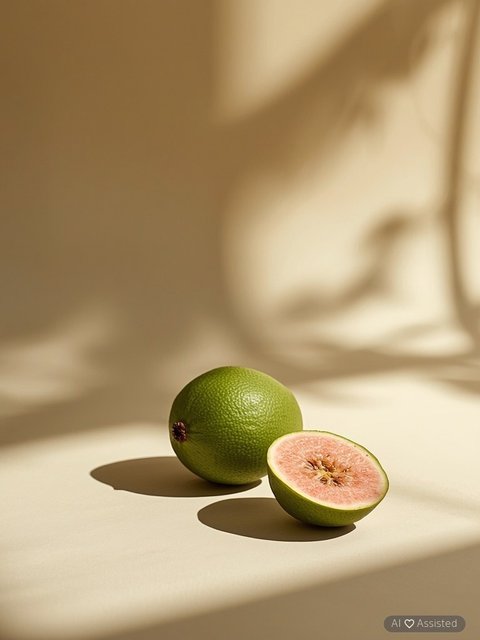
The distinctive properties of quince extend far beyond its conventional culinary applications

| Diets Premium Expert David Janitzek | min read 2 min | Scientifically reviewed by a clinical dietitian 23.10.2026 |
Smart Voice
•Listen to the article content live
Common quince (Cydonia oblonga), historically revered as the 'golden apple', is a pomaceous fruit celebrated for centuries in traditional herbal medicine. It boasts exceptional concentrations of L-ascorbic acid, astringent tannins, gelling pectins, and polyphenolic antioxidants. This guide explores its biochemical makeup, immune-supportive properties, and medicinal culinary preparations.
Want to apply these guidelines in your daily diet?
Our smart diet generator creates a tailored meal plan in 3 minutes based on the recommendations in this article.
Nutritional Profile of Quince: Vitamin C, Astringent Tannins, and Pectin
Fresh quince fruits feature dense, astringent flesh exuding a complex fragrance reminiscent of pineapples and citrus. A 100-gram serving provides 15–30 mg of L-ascorbic acid alongside provitamin A, B-complex vitamins, potassium, magnesium, and iron. Its characteristic tart astringency arises from concentrated polyphenolic tannins that exert protective anti-inflammatory, bacteriostatic, and membrane-tightening actions across the digestive tract. Furthermore, quince is packed with high-molecular-weight pectins that bind dietary lipids and stabilize gut peristalsis.
Immunomodulatory Properties and Upper Respiratory Infection Support
In traditional phytotherapy, warm quince infusions and syrups rank among the most revered natural remedies for seasonal coryza, pharyngitis, and viral respiratory infections. The synergy of ascorbic acid, malic acid, and plant tannins stimulates leukocyte activity while impeding microbial adhesion. Furthermore, natural mucilage extracted from quince seeds forms a soothing protective colloid over inflamed pharyngeal membranes, alleviating dry persistent cough and hoarseness.
Culinary and Therapeutic Preparations: Syrups, Jellies, and Roasted Quince
Owing to its dense cellular lignification and astringency, quince is rarely eaten in its raw state. A timeless household preparation is raw quince syrup: thinly sliced fruit is macerated with raw honey or xylitol, yielding an aromatic, vitamin-C-rich elixir for hot tea. Due to its massive natural pectin content, quince is the premier fruit for firm jellies and pastes (the word 'marmalade' derives etymologically from the Portuguese marmelo, meaning quince). Baked with cinnamon and cloves, it provides an exquisite accompaniment to roast meats or desserts.

mgr David Janitzek
✓Diets Premium Expert
Diets Premium team expert. Specializes in nutrition plans, strength sports, and training plans.
View Profile →