Quince – varieties, characteristics, recipes. In what manner should one consume quince?

| Diets Premium Expert Emilia Szymańska | min read 7 min | Scientifically reviewed by a clinical dietitian 23.10.2026 |
Smart Voice
•Listen to the article content live
Quince fruits entice with their intense, refined fragrance and golden hue, yet when raw, their formidable firmness and astringent bite deter many consumers. Nonetheless, they represent a veritable treasure for the culinary pantry and botanical wellness: packed with soluble pectins, vitamin C, polyphenols, and essential minerals. How should quince be prepared and culinary processed to fully unlock its exceptional flavor and clinical health virtues?
Want to apply these guidelines in your daily diet?
Our smart diet generator creates a tailored meal plan in 3 minutes based on the recommendations in this article.
This article is professional premium content (PRO) provided in its entirety.
Quince (Cydonia oblonga) – botanical profile and history
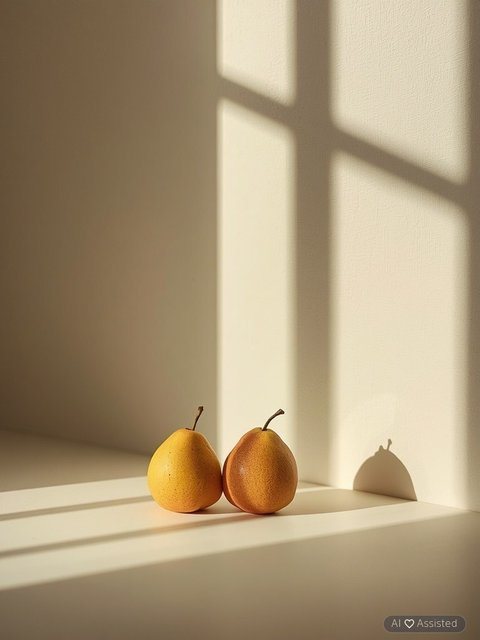
The common quince (Cydonia oblonga Miller) ranks among the oldest cultivated fruit species in agrarian history, revered in ancient Mesopotamia and classical Greece long before the widespread cultivation of modern dessert apples. Reaching tree heights of 3 to 5 meters, it produces handsome fruit weighing between 150 and several hundred grams, cloaked in a downy, golden-yellow skin. The flesh is dense, firm, packed with gritty stone cells, and intensely astringent when raw. In temperate European climates, quince fruits ripen between late September and October, providing a premium raw material for preserves.
Nutritional profile and health-promoting properties of quince
Quince fruits constitute an abundant dietary source of polyphenolic antioxidants, notably chlorogenic acid, quercetin, and kaempferol derivatives, concentrated primarily within the skin. They supply substantial concentrations of vitamin C (often surpassing that of lemons), B vitamins, and essential minerals including potassium, iron, magnesium, and copper. Particularly remarkable is their high concentration of soluble pectin fibers, which form protective mucilages across the gastric mucosa, improve serum lipid parameters, and stabilize glycemic response. Additionally, quince polyphenols display established antibacterial and systemic anti-inflammatory actions.
Quince cultivars and distinction from flowering quince
Dozens of cultivated quince varieties exist throughout Europe, traditionally categorized into apple-shaped types (such as Bereczki, prized for firm structure) and pear-shaped forms (such as Vranja and Leskovac, celebrated for intense aromatics and fruit reaching up to 600 grams). A frequent point of confusion is mistaking true tree quince (Cydonia oblonga) for flowering quince (Chaenomeles), which is a low thorny shrub yielding diminutive, rock-hard, fiercely acidic fruit. While both are fantastic for preserves, true quince offers a more refined culinary texture and versatility.
How to prepare and consume quince fruit safely
Due to their formidable firmness and high tannin content, quince fruits are almost universally consumed following thermal preparation. During simmering, baking, or poaching, their harsh astringency transforms into an exquisite floral sweetness, while the flesh magically shifts from pale cream to deep ruby-rose through thermal polyphenol transformation. Its naturally exceptional pectin concentration makes quince the premier choice for jellies, preserves, marmalades, and the traditional Iberian paste known as dulce de membrillo. Before cooking, always wipe away the surface downy fuzz and core the seed pocket thoroughly.
Tested culinary recipes: crumble, poached quince, cake, jam, and tea syrup
Here are tried-and-tested kitchen recipes to celebrate the extraordinary flavors of quince:
1. Spiced Quince Crumble: Simmer 200 g of sliced quince in 50 ml water with 20 g sugar for 10 minutes. Transfer fruit to ramekins and crown with a crumble made from 100 g flour, 60 g butter, 2 tbsp honey, cinnamon, ginger, and ground cloves. Bake at 180°C for 35–40 minutes.
2. Quince Poached in White Wine: Simmer halved, cored quinces in 500 ml white wine with lemon juice and honey for 30 minutes until tender. Serve with chilled vanilla mascarpone cream and warm reduced wine syrup.
3. Traditional Quince Preserves: Simmer 2 kg chopped quince in 500 ml water until softened, add sugar, and cook on low heat until glistening amber jelly forms. Spoon into sterilized jars and seal.
4. Quince Tea Syrup: Layer thinly sliced quince with equal parts raw sugar in glass jars. Over several days, an exquisitely aromatic, vitamin C-rich syrup develops, serving as the ultimate wholesome winter tea companion.
Tags

mgr Emilia Szymańska
✓Diets Premium Expert
Diets Premium team expert. Specializes in nutrition plans, strength sports, and training plans.
View Profile →