Cooked Carrots and Carrot Purée: Beta-Carotene Bioavailability, Nutritional Profile, and Health Benefits

| Diets Premium Expert Mia Hoffmann | min read 1 min | Scientifically reviewed by a clinical dietitian 23.10.2026 |
Smart Voice
•Listen to the article content live
Want to apply these guidelines in your daily diet?
Our smart diet generator creates a tailored meal plan in 3 minutes based on the recommendations in this article.
Raw vs. Cooked Carrots: The Carotenoid Bioavailability Paradox
A prevalent nutritional assumption maintains that uncooked raw vegetables invariably deliver superior micronutrient density. However, the domestic carrot (Daucus carota) defies this dogma regarding fat-soluble carotenoids, most notably beta-carotene. Within intact raw carrot tissue, carotenoids reside in tightly bound crystalline complexes sequestered within chromoplasts and encased by rigid cellulose and pectin cell walls.
Human pharmacokinetic trials demonstrate that chewing raw carrots yields a bioaccessibility rate of merely 3% to 5% of total beta-carotene. Thermal processing, such as boiling or gentle steaming, breaks down structural polysaccharides and destabilizes protein-carotenoid complexes, elevating beta-carotene bioavailability dramatically up to 30–40%.
The Impact of Mechanical Disruption and Puréeing
Coupling thermal treatment with mechanical homogenization (blending into a silky purée) creates optimal kinetic conditions for nutrient liberation. Micro-shearing the plant tissues multiplies the surface area accessible to endogenous bile salts and pancreatic lipases.
Furthermore, because beta-carotene is intensely lipophilic, efficient intestinal absorption requires lipid-mediated micelle formation. Incorporating even 3 to 5 grams of healthy culinary fats (extra virgin olive oil, clarified butter, or cold-pressed rapeseed oil) into warm carrot purée catalyzes intestinal incorporation into mixed micelles and chylomicrons, facilitating optimal delivery to hepatic storage.
Nutritional Profile, Vitamins, and Antioxidants in Carrot Purée
A 100-gram serving of cooked carrot purée supplies approximately 35–40 kcal, 8 g of total carbohydrates (including 2.5–3 g of fiber), 1 g of vegetable protein, and negligible endogenous lipids. It stands out as an unsurpassed source of provitamin A carotenoids, with a single 150 g portion fulfilling over 200% of an adult's daily Recommended Dietary Allowance (RDA).
Beyond beta-carotene, carrots are rich in alpha-carotene, lutein (crucial for retinal macular density), phylloquinone (vitamin K1), and B-complex vitamins. Its mineral matrix includes substantial potassium (230–300 mg/100 g), promoting vascular tone and electrolyte balance.
Health Impacts: Vision, Immunity, Skin Health, and Disease Prevention
Carotenoids derived from cooked carrots execute vital systemic roles. Following intestinal conversion to active retinol, vitamin A integrates into rhodopsin within rod photoreceptor cells, preventing nyctalopia (night blindness) and age-related macular changes.
Operating as potent quenchers of singlet oxygen, beta-carotene and lutein curtail cellular lipid peroxidation and oxidative DNA adduct formation. Additionally, vitamin A is indispensable for mucosal epithelial differentiation, fortifying barrier defenses in the respiratory, gastrointestinal, and urogenital tracts against infectious invasion.
Dietary Fiber, Glycemic Index, and Digestive Comfort
A frequent clinical misconception concerns the supposed glycemic hazard of cooked carrots. While thermal softening elevates the Glycemic Index (GI) relative to raw roots to approximately 50–60, the actual Glycemic Load (GL) of a standard 100 g portion remains negligible (GL around 3–4), precluding adverse postprandial glucose surges.
Cooked carrot purée exhibits remarkable digestive tolerance, making it an ideal bland-diet component during gastroenteritis or postoperative recovery. Its solubilized pectin fibers form a protective luminal gel, binding microbial endotoxins and nourishing colonic mucosa with beneficial fermentative metabolites.
Culinary Protocol: Preparing Nutrient-Dense Carrot Purée at Home
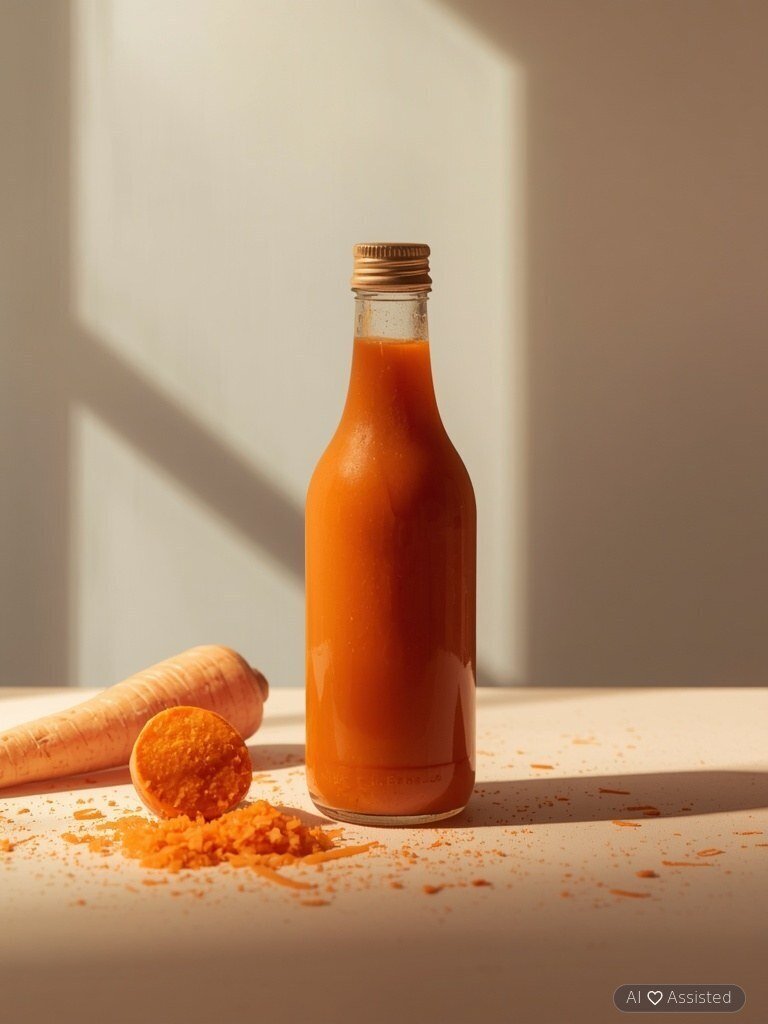
To safeguard water-soluble micronutrients while maximizing carotenoid yield, carrots should ideally be steamed rather than boiled in excessive water, maintaining gentle heat for 15 to 20 minutes until tender. Cooking with peels intact (after scrubbing) preserves sub-epidermal phytochemical concentrations.
Once softened, blend immediately with a teaspoon of cold-pressed extra virgin olive oil or ghee, a pinch of sea salt, and aromatic botanicals such as fresh thyme, grated ginger, or ground nutmeg. This silky purée functions as an exquisite, antioxidant-dense side dish pairing gracefully with baked legumes, fish, or poultry.

Mia Hoffmann
✓Diets Premium Expert
Diets Premium team expert. Specializes in nutrition plans, strength sports, and training plans.
View Profile →