2024 research findings demonstrate how almond consumption significantly boosts high-density lipoprotein (HDL) cholesterol levels

Tomasz Jankowski
Tomasz Jankowski ✓
Diets Premium Expert • 23.10.2026
✓
Scientifically reviewed by a clinical dietitian: This article has been peer-reviewed for adherence to IŻŻ, WHO, and PTGiP clinical nutritional standards.
Diets Premium Expert Tomasz Jankowski min read 2 min Scientifically reviewed by a clinical dietitian 23.10.2026
2024 research findings demonstrate how almond consumption significantly boosts high-density lipoprotein (HDL) cholesterol levels

Smart Voice

•

Listen to the article content live

0:00 / 0:00
Key Takeaways
This article provides a comprehensive review of the latest clinical investigations examining the impact of almond intake on lipid profiles, with a specific emphasis on the biochemical pathways that elevate high-density lipoprotein (HDL) cholesterol concentrations. The discussion includes evidence-based dosage recommendations, potential dietary synergies, and implications for cardiovascular disease prevention. The synthesis incorporates meta-analyses published in the first half of 2024 in peer-reviewed journals such as the *Journal of Nutritional Biochemistry* and the *American Journal of Clinical Nutrition*.
Meal Plan

Want to apply these guidelines in your daily diet?

Our smart diet generator creates a tailored meal plan in 3 minutes based on the recommendations in this article.

The physiological role of HDL and reverse cholesterol transport

High-density lipoproteins (HDL), historically termed 'good cholesterol', represent an essential physiological defense system against vascular atherogenesis. Their primary biological mission is executing reverse cholesterol transport (RCT). Nascent HDL particles scavenge surplus unesterified cholesterol from peripheral tissues—most critically from vascular arterial walls and lipid-laden subendothelial macrophage foam cells—and ferry it back to the liver for biliary excretion.

Contemporary lipidology emphasizes that biological functionality transcends sheer numerical HDL-C concentration. The critical prognostic metric is cholesterol efflux capacity (CEC), alongside innate anti-inflammatory and antioxidant properties. Mature HDL particles enriched with apolipoprotein A-I (ApoA-1) actively shield vascular endothelium from oxidative insult and inhibit the atherogenic oxidation of circulating low-density lipoproteins (LDL).

Phytochemical composition of almonds: fatty acid matrix and antioxidants

Almonds (the seeds of Prunus dulcis) feature an exceptional nutritional architecture that positions them as a premier functional food in cardiometabolic therapeutics. Approximately 50% of an almond's mass consists of healthy dietary lipids, predominantly cardioprotective monounsaturated fatty acids (MUFAs), led by oleic acid (18:1 cis-9), balanced with essential polyunsaturated linoleic acid.

Furthermore, almonds represent one of the densest whole-food reservoirs of alpha-tocopherol, the most biologically potent isoform of vitamin E. A single standard serving (approximately 30 grams) fulfills over 50% of the recommended daily intake for this lipophilic antioxidant. The fibrous brown seed coat concentrates flavonoids, proanthocyanidins, and phenolic acids, which exert a profound antioxidant synergy with alpha-tocopherol in shielding circulating lipoproteins from lipid peroxidation.

Recent clinical evidence: impacts on HDL levels, particle size, and efflux capacity

Groundbreaking clinical trials and systematic meta-analyses of randomized controlled trials (RCTs) published in 2024 provide fresh mechanistic insights into almond consumption. While almonds were historically valued primarily for their robust reduction of atherogenic LDL cholesterol, contemporary datasets confirm that habitual almond intake induces significant qualitative and quantitative improvements in HDL subfractions, particularly enhancing large alpha-1 HDL particles and the ApoA-1/ApoB ratio.

Most notably, functional bioassays establish that almond-derived phytochemicals elevate macrophage cholesterol efflux capacity (CEC) by 12% to 15% relative to isocaloric control diets. The circulating HDL particles demonstrate enhanced structural stability, enlarged diameter, and heightened resistance to oxidative and glycative degradation—critical benefits for populations affected by prediabetes and metabolic syndrome.

Practical dietetic integration and evidence-based dosage guidelines

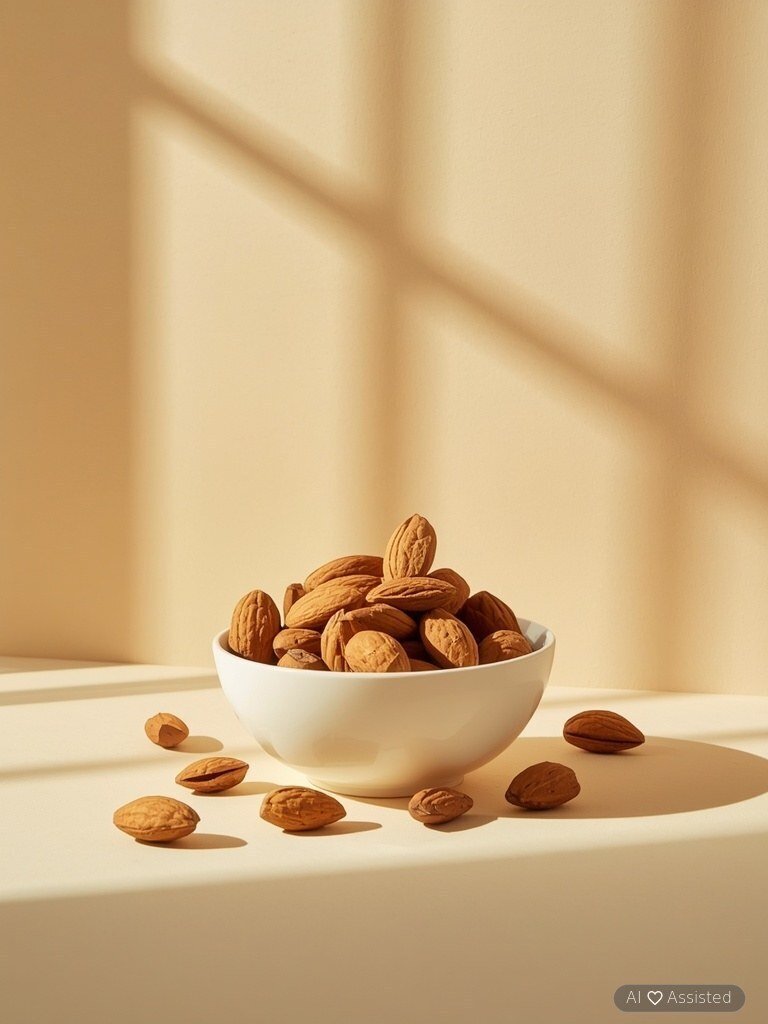
To unlock validated cardioprotective benefits and optimize functional HDL dynamics, clinical evidence advocates a daily intake of 30 to 45 grams of whole, unadulterated almonds (equivalent to approximately 20 to 30 kernels). Consumers are encouraged to select raw, unsalted varieties retaining their natural brown skins, which house the majority of bioactive polyphenolic compounds.

Almonds offer superior culinary flexibility. They serve as an ideal nutrient-dense snack, integrate effortlessly into morning whole-grain porridge, enrich vegetable salads, and complement Mediterranean dishes. Featuring a minimal glycemic index, robust dietary fiber content (approx. 12 g/100 g), and high-quality plant protein (approx. 21 g/100 g), almonds smooth postprandial glucose excursions, sustain satiety, and support healthy long-term weight maintenance.

mgr Tomasz Jankowski

mgr Tomasz Jankowski

✓

Diets Premium Expert

Diets Premium team expert. Specializes in nutrition plans, strength sports, and training plans.

View Profile →
Recommended articles in this category

Related Articles

Discover similar publications and expert insights.

Almond seeds: characteristics and distinctions between sweet and bitter cultivars
Food & Ingredients
Almond seeds: characteristics and distinctions between sweet and bitter cultivars
⏱ 2 min czytania 📚 Food & Ingredients
#Confectionery #Almond Flour
Influence of American Blueberries on Health and Disease Prevention
Blueberry
Influence of American Blueberries on Health and Disease Prevention
⏱ 4 min czytania
#Blueberry #Disease Prevention
Cynthia Sass' flat-belly diet plan - rules, ingredients and effects
Dark Chocolate
Cynthia Sass' flat-belly diet plan - rules, ingredients and effects
⏱ 5 min czytania
#Dark Chocolate #Fatty Acids
Peanuts (Arachis hypogaea): Botanical Classification, Nutritional Profile, and Health Benefits
Food & Ingredients
Peanuts (Arachis hypogaea): Botanical Classification, Nutritional Profile, and Health Benefits
⏱ 2 min czytania 📚 Food & Ingredients
#Versatile Ingredient #Confectionery
Natural Homemade Scrubs: Coffee, Cane Sugar, Sea Salt, and Almonds – A Dermatological Exfoliation Guide
Natural Ingredients
Natural Homemade Scrubs: Coffee, Cane Sugar, Sea Salt, and Almonds – A Dermatological Exfoliation Guide
⏱ 6 min czytania
#Natural Ingredients #Homemade
Diet for lowered cholesterol – guidelines, meal planning, and prohibited foods
Cardiovascular Disease Prevention
Diet for lowered cholesterol – guidelines, meal planning, and prohibited foods
⏱ 8 min czytania
#Cardiovascular Disease Prevention #Cardiovascular Disease
Cooked Carrots and Carrot Purée: Beta-Carotene Bioavailability, Nutritional Profile, and Health Benefits
Food Science
Cooked Carrots and Carrot Purée: Beta-Carotene Bioavailability, Nutritional Profile, and Health Benefits
⏱ 1 min czytania 📚 Food Science
#Nutritional Science #Health Benefits
Lapacho (Pau d'Arco): Medicinal Properties of Bark, Bioactive Naphthoquinones, and Safe Clinical Use
Nutritional Science
Lapacho (Pau d'Arco): Medicinal Properties of Bark, Bioactive Naphthoquinones, and Safe Clinical Use
⏱ 3 min czytania 📚 Nutritional Science
#Medicinal Plant Applications #Botanical Applications
Lucuma – The Low-Glycemic Andean Fruit: Properties, Nutritional Value, and Dietetic Applications
Functional Foods
Lucuma – The Low-Glycemic Andean Fruit: Properties, Nutritional Value, and Dietetic Applications
⏱ 5 min czytania 📚 Functional Foods
#Nutritional Composition #Natural Sweetness
L-Carnitine and Lecithin in Cardiovascular Health: Mitochondrial Bioenergetics, Microbiome Metabolism, and the TMAO Paradox
Nutritional Science
L-Carnitine and Lecithin in Cardiovascular Health: Mitochondrial Bioenergetics, Microbiome Metabolism, and the TMAO Paradox
⏱ 2 min czytania 📚 Nutritional Science
#Cardiovascular Disease Prevention #Cardiovascular Disease
Is it genuinely the thirst for knowledge that assists us in learning, and if so, why?
Biochemistry
Is it genuinely the thirst for knowledge that assists us in learning, and if so, why?
⏱ 2 min czytania
#Biochemistry
Lactose — chemical composition, dietary sources, and clinical indications for exclusion. Who may benefit from a lactose-free nutritional regimen?
Dietary Recommendations
Lactose — chemical composition, dietary sources, and clinical indications for exclusion. Who may benefit from a lactose-free nutritional regimen?
⏱ 7 min czytania
#Dietary Recommendations #Lactose-free Diet
American Cranberry: Phytotherapeutic Power of Proanthocyanidins in UTI Prevention and Cellular Defense
Fruits
American Cranberry: Phytotherapeutic Power of Proanthocyanidins in UTI Prevention and Cellular Defense
⏱ 1 min czytania 📚 Fruits
#Disease Prevention
Chestnut Flour – Nutritional Profile, Natural Sweetness, Market Value, and Culinary Recipes
Food Science
Chestnut Flour – Nutritional Profile, Natural Sweetness, Market Value, and Culinary Recipes
⏱ 5 min czytania 📚 Food Science
#Healthy Eating #Healthy Meals
Hazelnuts (Corylus avellana) – Cultivar Diversity, Nutritional Profile, and Health Benefits
Food & Ingredients
Hazelnuts (Corylus avellana) – Cultivar Diversity, Nutritional Profile, and Health Benefits
⏱ 2 min czytania 📚 Food & Ingredients
#Hazelnut #Almond
Dairy-free plant-derived beverage alternatives – Coconut, almond, rice, and spelt-based options
Food Allergies
Dairy-free plant-derived beverage alternatives – Coconut, almond, rice, and spelt-based options
⏱ 4 min czytania
#Food Allergies #Lactose Intolerance
Simple Solution for Constipation Problems
Constipation
Simple Solution for Constipation Problems
⏱ 7 min czytania
#Constipation #American
„Hot” Bicycle Saddle!
Fitness Lifestyle
„Hot” Bicycle Saddle!
⏱ 3 min czytania 📚 Fitness Lifestyle
#American
American blueberry juice properties help treat various ailments
Baked Goods
American blueberry juice properties help treat various ailments
⏱ 2 min czytania
#Baked Goods #Blueberry
Debate Over Food Addiction
Food Addiction
Debate Over Food Addiction
⏱ 7 min czytania
#Food Addiction #Mental
Advantages and Disadvantages of Consuming Avocado
Fruit Preparation
Advantages and Disadvantages of Consuming Avocado
⏱ 4 min czytania
#Fruit Preparation #High In Fat
American blueberries are low in calories and have a low glycemic index
Low Glycemic Index
American blueberries are low in calories and have a low glycemic index
⏱ 8 min czytania
#Low Glycemic Index #Calories
Is It Worth Striving for Indisputable Knowledge – and Does It Make Sense?
American
Is It Worth Striving for Indisputable Knowledge – and Does It Make Sense?
⏱ 5 min czytania
#American #MET 6.5
The Whole30 Diet – Meal Plan and Recipes
American
The Whole30 Diet – Meal Plan and Recipes
⏱ 4 min czytania
#American #Quick
Cat's Claw (Uncaria tomentosa): Health Effects and Support in Lyme Disease
American
Cat's Claw (Uncaria tomentosa): Health Effects and Support in Lyme Disease
⏱ 2 min czytania
#American
Food yellow fever syndrome - symptoms and diet
Nutrition
Food yellow fever syndrome - symptoms and diet
⏱ 4 min czytania 📚 Nutrition
#Nutrition
Calcium sources in dairy-free diets
Nutrition
Calcium sources in dairy-free diets
⏱ 4 min czytania 📚 Nutrition
#Calcium Sources #Dairy Products
Chinese soup - ingredients, calorie count, health effects and pregnancy
Nutrition
Chinese soup - ingredients, calorie count, health effects and pregnancy
⏱ 6 min czytania 📚 Nutrition
#Calorie Content #Caloric Content
Nutritional Aid for Non-Infectious Inflammatory Bowel Disease – Does the Low-Carbohydrate Diet Really Work?
Low-Carb
Nutritional Aid for Non-Infectious Inflammatory Bowel Disease – Does the Low-Carbohydrate Diet Really Work?
⏱ 7 min czytania 📚 Low-Carb
#Processed Foods #Low-carbohydrate Diet
The importance of calories in the diet. A calorie is not equal to a calorie
Weight Management
The importance of calories in the diet. A calorie is not equal to a calorie
⏱ 6 min czytania 📚 Weight Management
#Nutrition #Calories

Share