Cannabis sativa: Phytochemistry, Endocannabinoid Signaling, and Therapeutic Potential in Modern Medicine

| Diets Premium Expert Wojciech Wiśniewski | min read 1 min | Scientifically reviewed by a clinical dietitian 23.10.2026 |
Smart Voice
•Listen to the article content live
Want to apply these guidelines in your daily diet?
Our smart diet generator creates a tailored meal plan in 3 minutes based on the recommendations in this article.
Botany and Phytochemistry of Cannabis sativa
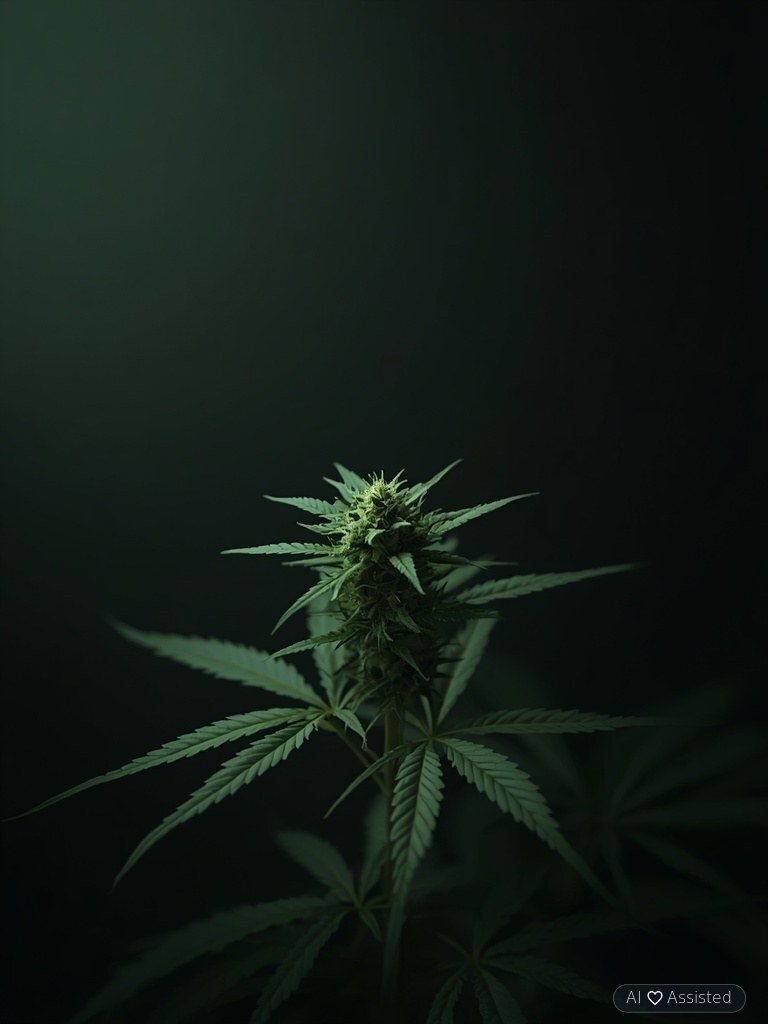
Cannabis sativa L. is an annual dioecious plant exhibiting an intricate biochemical architecture composed of over 500 chemical constituents, including more than 120 phytocannabinoids, aromatic terpenes, and protective flavonoids. Botanical classifications distinguish industrial hemp (containing <0.3% delta-9-THC) from medical cultivars enriched with therapeutic cannabinoid concentrations.
Secondary metabolites are primarily synthesized within the glandular trichomes of unfertilized female inflorescences as carboxylated precursors, predominantly THCA and CBDA. Upon exposure to heat or light, non-enzymatic decarboxylation converts these precursor acids into the pharmacologically active forms delta-9-tetrahydrocannabinol (THC) and cannabidiol (CBD).
The Endocannabinoid System: Molecular Mechanisms
The endocannabinoid system (ECS) is an evolutionarily conserved homeostatic regulatory network governing neurotransmission, pain pathways, immune reactivity, and metabolic equilibrium. The core system encompasses G protein-coupled receptors (primarily CB1 and CB2), endogenous lipid ligands (anandamide / AEA and 2-arachidonoylglycerol / 2-AG), and dedicated metabolic enzymes (FAAH and MAGL).
CB1 receptors are densely concentrated throughout the central and peripheral nervous systems, acting presynaptically to modulate GABA and glutamate release. In contrast, CB2 receptors are abundantly expressed on immune effector cells (macrophages, B/T lymphocytes, microglial cells), mediating anti-inflammatory and cytoprotective responses without psychoactive properties.
Cannabinoid Pharmacology: THC, CBD, and the Entourage Effect
Delta-9-THC functions as a partial agonist at CB1 and CB2 receptors, driving therapeutic analgesia, muscle relaxation, and antiemesis, alongside its hallmark psychoactive and intoxicating properties. Cannabidiol (CBD), conversely, exhibits low orthosteric affinity for CB1/CB2; it behaves as a negative allosteric modulator of CB1, an agonist of serotonin 5-HT1A receptors, and an inhibitor of anandamide-degrading FAAH.
Through these mechanisms, CBD mitigates THC-induced dysphoria, tachycardia, and cognitive impairments while enhancing overall analgesic efficacy. The synergistic interaction between cannabinoids, aromatic terpenes (e.g., myrcene, caryophyllene, pinene), and flavonoids (cannflavins) is termed the pharmacological 'entourage effect', often yielding superior clinical outcomes compared to isolated synthetic isolates.
Major Clinical Indications and Scientific Evidence
Contemporary evidence-based medicine (EBM) validates the therapeutic administration of standardized cannabis preparations in well-defined clinical settings:
- Chronic and neuropathic pain: significant alleviation of refractory pain syndromes, including peripheral diabetic neuropathy and radiculopathy;
- Spasticity in multiple sclerosis: pharmaceutical oromucosal sprays (balanced THC:CBD 1:1) significantly decrease painful muscle spasms and spasticity;
- Palliative and oncology care: profound reduction of chemotherapy-induced nausea and vomiting (CINV) and reversal of anorexia-cachexia syndrome;
- Intractable epilepsy: purified botanical CBD formulations possess robust regulatory approval for Dravet syndrome, Lennox-Gastaut syndrome, and tuberous sclerosis.
Safety Profile, Drug Interactions, and Contraindications
Clinical cannabis pharmacotherapy mandates rigorous physician oversight. Common adverse effects attributable to THC include lightheadedness, somnolence, xerostomia (dry mouth), impaired psychomotor coordination, and transient orthostatic hypotension accompanied by reflex tachycardia.
Exogenous cannabinoids are heavily metabolized by hepatic cytochrome P450 enzymes (specifically CYP3A4, CYP2C9, and CYP2C19), creating meaningful pharmacokinetic interactions with oral anticoagulants (warfarin), anticonvulsants (clobazam), and macrolides. Absolute contraindications for THC therapy encompass unstable coronary artery disease, severe arrhythmias, personal history of schizophrenia or active psychosis, as well as pregnancy and lactation.
Summary and Quality Standards in Modern Phytotherapy
Cannabis sativa transcends its historical characterization as an illicit recreational intoxicant, representing a sophisticated botanical medicine with diverse biological targets. Safe and predictable clinical outcomes hinge upon strict pharmaceutical manufacturing standards: rigorous standardization of active cannabinoid ratios, certified purity devoid of heavy metals, pesticides, and microbial contaminants, alongside targeted administration methods (vaporization, sublingual oils).
When administered within an evidence-guided clinical framework, medical cannabis represents a transformative adjunct for managing refractory pain, chronic neuropathic conditions, and disease-related cachexia where conventional pharmacotherapies fall short.
Tags

Wojciech Wiśniewski
✓Diets Premium Expert
Diets Premium team expert. Specializes in nutrition plans, strength sports, and training plans.
View Profile →