1 min read
The Volumetrics Diet – Weight Reduction Without Deprivation Through High-Volume Eating

Tim Klein
✓
Diets Premium Expert • 23.10.2026
✓
Scientifically reviewed by a clinical dietitian:
This article has been peer-reviewed for adherence to IŻŻ, WHO, and PTGiP clinical nutritional standards.
| Diets Premium Expert Tim Klein | min read 1 min | Scientifically reviewed by a clinical dietitian 23.10.2026 |
Smart Voice
•Listen to the article content live
0:00
/
0:00
Key Takeaways
The Volumetrics Diet, pioneered by Dr. Barbara Rolls of Pennsylvania State University, is a breakthrough nutritional paradigm that rejects starvation rations and micro-portions. By leveraging the principle of food energy density, it allows individuals to consume large, satisfying portions while maintaining a consistent caloric deficit. Discover how gastric mechanoreceptors, high water content, and dietary fiber promote lasting satiety and sustainable weight management.
Meal Plan
Want to apply these guidelines in your daily diet?
Our smart diet generator creates a tailored meal plan in 3 minutes based on the recommendations in this article.
Energy Density Science – The Physiology of Satiety by Dr. Barbara Rolls
The scientific bedrock of the Volumetrics Diet lies in the neurobiology of human appetite regulation. Landmark clinical trials by Dr. Barbara Rolls demonstrated that humans consistently consume a remarkably consistent weight or volume of food each day, irrespective of caloric concentration. Satiation is triggered primarily by mechanical gastric distension, which stimulates stretch mechanoreceptors lining the stomach wall to transmit vagal signals directly to hypothalamic satiety nuclei.
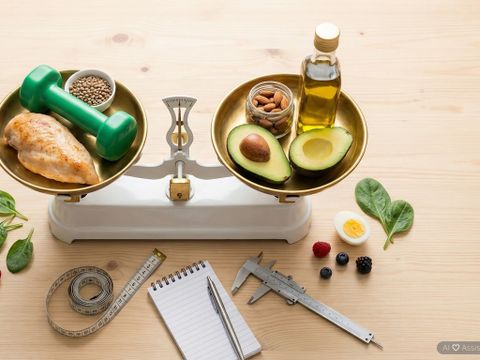
Energy density is defined as the number of calories per unit of food weight (kcal/g). Foods characterized by very low energy density are naturally saturated with water and dietary fiber while being low in fats and refined sugars. Consequently, an individual can enjoy a substantial 500-gram vegetable soup delivering a mere 150 kcal, whereas consuming just 50 grams of potato chips or a pastry delivers over 250 kcal while scarcely engaging gastric satiety mechanisms.
The Four Food Density Categories in Volumetrics
Volumetrics categorizes all dietary items into four distinct quadrants based on caloric density:
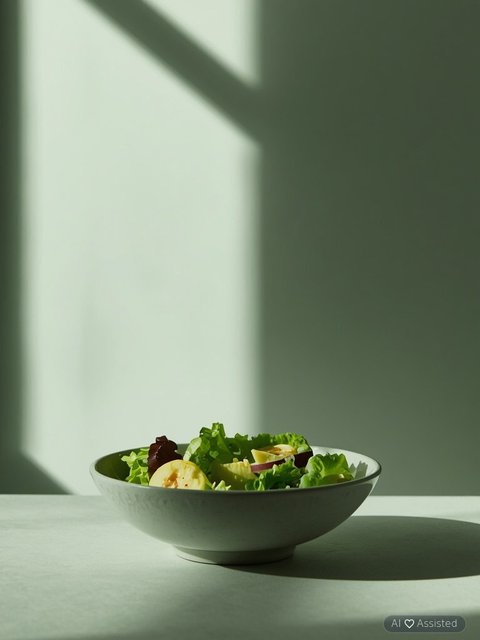
1. Category 1 (Very Low Density: < 0.6 kcal/g): Non-starchy vegetables (cucumbers, tomatoes, zucchini, broccoli, leafy greens), water-rich fruits (watermelon, berries, citrus), clear broth-based vegetable soups, and non-caloric fluids. These can be eaten in abundant, virtually unrestricted volumes.
2. Category 2 (Low Density: 0.6 to 1.5 kcal/g): Whole cooked grains (brown rice, quinoa, oatmeal), cooked legumes (lentils, black beans, chickpeas), lean poultry breast, white fish, seafood, and non-fat plain yogurt. These constitute the satiating foundation of main courses.
3. Category 3 (Medium Density: 1.6 to 3.9 kcal/g): Whole-grain breads, low-fat cheeses, eggs, lean red meats, and dried fruits. These require deliberate portion awareness.
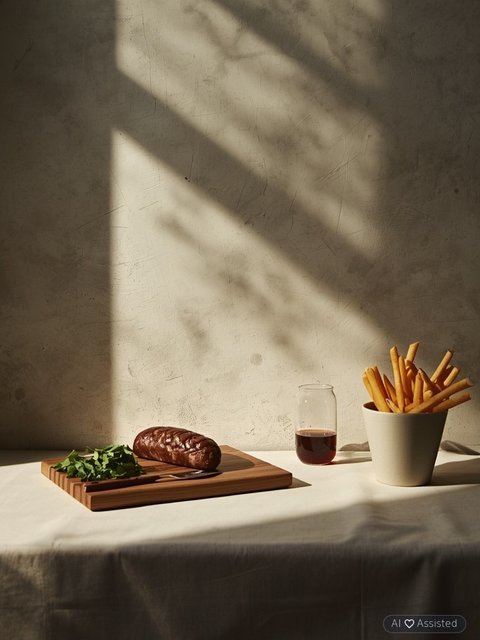
4. Category 4 (High Density: 4.0 to 9.0 kcal/g): Commercial chips, confections, butter, mayonnaise, refined vegetable oils, and nuts. While nuts offer healthy fats, their caloric density dictates strict measurement to prevent unintentional caloric surplus.
Practical Volumetric Culinary Techniques and High-Volume Meal Plan
Implementing Volumetrics in daily meal preparation relies on ingenious yet straightforward culinary adjustments:
1. The Soup Starter Strategy: Initiating lunch or dinner with a bowl of clear, broth-based vegetable soup spontaneously reduces caloric intake in the subsequent main course by up to 20%.
2. Volume Hacking: Incorporating grated zucchini or riced cauliflower into oatmeal, sauces, or stir-fries doubles meal mass without meaningfully shifting caloric totals.
3. Moisture Substitution: Utilizing blended vegetable purees, broths, and non-fat Greek yogurt as creamy sauce bases rather than heavy cream and butter.
Sample High-Volume Day:
- Breakfast: Vegetable scramble (2 whole eggs + 2 egg whites) loaded with mushrooms, baby spinach, and tomatoes, served with whole rye sourdough and an overflowing side of arugula.
- Lunch: Baked Atlantic cod loin (180 g) paired with steamed rosemary potatoes (200 g) and an enormous crunchy cabbage-cucumber slaw dressed with lemon and low-fat kefir.
- Dinner: Velvety roasted red pepper and tomato soup garnished with a generous scoop of cooked chickpeas and fresh basil.
Dietetic Evaluation – Metabolic Efficacy, Limitations, and Habit Sustainability
From a clinical dietetics standpoint, Volumetrics ranks among the most sustainable, metabolically sound, and psychologically liberating weight reduction paradigms in existence. It strictly avoids demonizing macronutrients, educates on intuitive nutrient density, and dissolves the chronic feelings of deprivation and anxiety inherent in restrictive crash diets.
The abundant intake of soluble and insoluble dietary fibers promotes gut microbial richness, accelerates gastrointestinal transit, blunts postprandial glucose excursions, and reduces serum LDL cholesterol. The only notable physiological caveat is transient bloating or flatulence in individuals unaccustomed to high fiber loads—requiring gradual titration of legumes and raw vegetables alongside diligent hydration (at least 2–2.5 liters of water daily). Volumetrics represents an enduring nutritional lifestyle rather than a fleeting diet.
Tags

mgr Tim Klein
✓Diets Premium Expert
Diets Premium team expert. Specializes in nutrition plans, strength sports, and training plans.
View Profile →