New Zealand manuka honey: A distinctive bee-derived product with documented bioactive properties
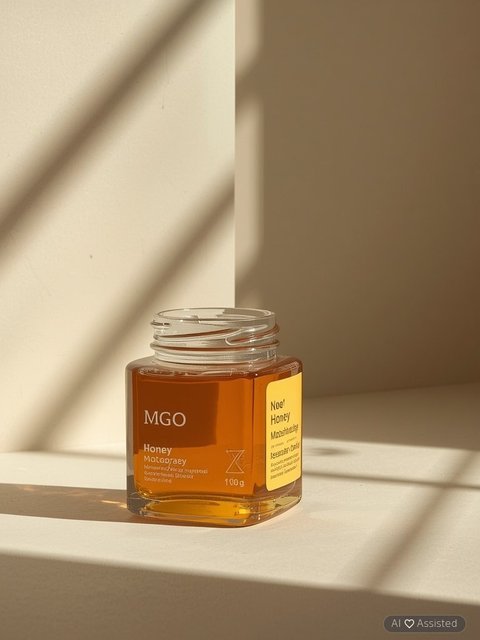
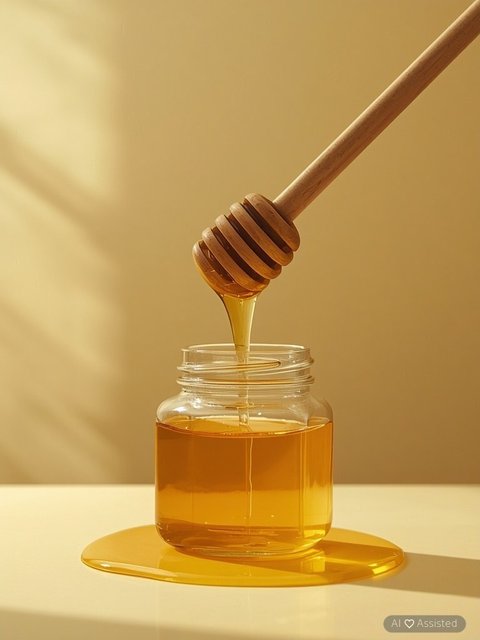
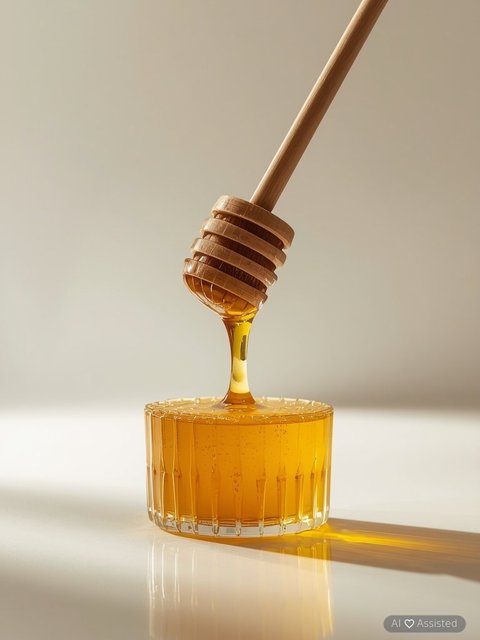
This distinctive variety of honey is produced when bees of the *Apis* genus collect nectar from the flowers of *Leptospermum scoparium*—an endemic shrub native to New Zealand, commonly referred to by the indigenous Māori people as *manuka*, which translates to "tea tree." Historical records indicate that the renowned British navigator and explorer, Captain James Cook, may have utilized an infusion prepared from the leaves of this evergreen shrub during his Oceanic voyages, a remedy valued by local populations for its medicinal properties. In terms of chemical composition, manuka honey exhibits notable similarities to traditional Polish varietal honeys, such as buckwheat, heather, or forest honeydew honey, with one critical distinction: the presence of methylglyoxal—a naturally occurring organic compound recognized for its highly potent antimicrobial and anti-inflammatory effects, substantiated by extensive scientific research.
Distinctive bioactive attributes and therapeutic characteristics of *Leptospermum scoparium* (manuka) honey
The principal bioactive constituent underpinning the exceptional therapeutic properties of manuka honey is methylglyoxal—a potent organic compound with robust antibacterial activity, the concentrations of which in this apicultural product far exceed those found in conventional honey varieties. This compound originates from the nectar of the New Zealand tea tree (*Leptospermum scoparium*), commonly referred to as manuka. Beyond methylglyoxal, the honey’s distinctive biological profile is further enriched by an array of polyphenols—plant-derived secondary metabolites renowned for their antioxidant capabilities. Among these, flavonoids and phenolic acids play a pivotal role, endowing darker honey variants, including manuka honey, with the capacity to scavenge reactive oxygen species. This biochemical mechanism contributes to a diminished risk of oxidative stress-related pathologies, encompassing neurodegenerative disorders such as Alzheimer’s disease and Parkinson’s disease, as well as inflammatory conditions, viral infections, and age-associated degenerative processes like senile cataract formation and atherosclerotic vascular disease.
Therapeutic and prophylactic applications of manuka honey in contemporary medicine: from antibacterial interventions to adjunctive oncology support
Manuka honey, derived from the nectar of *Leptospermum scoparium*—a shrub indigenous to New Zealand—exhibits a **distinct bioactive profile** dominated by **methylglyoxal (MGO)**, a compound responsible for its **potent antimicrobial spectrum**. Peer-reviewed clinical trials and *in vitro* assays confirm its efficacy against **Gram-positive bacteria** (*Staphylococcus aureus*, including methicillin-resistant strains – MRSA), **Gram-negative pathogens** (*Pseudomonas aeruginosa*, *Escherichia coli*), and **viruses** (influenza A/B, *Varicella zoster* virus, the causative agent of shingles).
In **dermatology and wound care**, high-potency manuka honey (400–800+ MGO) **accelerates epithelialization of chronic wounds**, including venous ulcers, stage III/IV pressure injuries, and surgically infected wounds colonized by multidrug-resistant organisms. Meta-analyses (e.g., *Cochrane Reviews*, 2015) demonstrate that **manuka honey-impregnated dressings** outperform conventional hydrogel or alginate dressings in **healing time reduction** and **biofilm disruption**, with statistically significant outcomes.
Within **gastroenterology**, manuka honey formulations (particularly ≥400 mg/kg MGO) **alleviate symptoms of gastritis, gastroesophageal reflux disease (GERD), and functional dyspepsia** by **modulating gut microbiota** and inhibiting *Helicobacter pylori* adhesion to epithelial cells. Its **prebiotic properties** further support the management of infectious diarrhea (e.g., *Clostridioides difficile*-associated).
In **oncology**, preclinical research (*Journal of Cancer Research*, 2020) suggests manuka honey’s **adjunctive potential** in **suppressing tumor cell proliferation** (e.g., breast, colorectal cancers) via **apoptosis induction** and NF-κB pathway inhibition. Additionally, its **high polyphenol content** (e.g., leptosin) exhibits **synergy with chemotherapeutic agents**, mitigating multidrug resistance.
**Clinical applications of manuka honey extend to:**
• **Dentistry** (treatment of aphthous ulcers, gingivitis, dental implant hygiene),
• **Pulmonology** (supportive therapy for cystic fibrosis, chronic obstructive pulmonary disease – COPD),
• **Nephrology** (dialysis catheter disinfection, *Staphylococcus epidermidis* infection prevention).
**Recommended MGO concentrations by therapeutic indication:**
• **30–100 mg/kg** – Dietary supplementation, immune support,
• **100–250 mg/kg** – Prophylaxis and symptomatic relief of upper respiratory infections,
• **400–550 mg/kg** – Chronic wound management, dermatological conditions (rosacea, eczema), *H. pylori* eradication,
• **≥800 mg/kg** – Adjunctive oncology (under clinical investigation), nosocomial infection control.
*Table 1.* **Clinical Applications of Manuka Honey by Methylglyoxal (MGO) Concentration**
| **MGO Concentration (mg/kg)** | **Primary Therapeutic Indications** |
|--------------------------------|---------------------------------------------------------|
| 30–100 | Systemic supplementation, immune modulation |
| 100–250 | Prophylaxis of colds, mild viral infections |
| 400–550 | Chronic wound healing, skin disorders, GI tract infections |
| ≥800 | Adjunctive cancer therapy, hospital-acquired infections |.
Therapeutic use of Manuka honey in the treatment of common acne and methods of its facial skin application
Manuka honey represents a safe and efficacious option for managing skin affected by common acne vulgaris. Its primary bioactive compound, methylglyoxal, exhibits well-documented, potent antimicrobial properties that inhibit the proliferation of *Propionibacterium acnes*—the bacteria primarily responsible for inflammatory acne lesions. As with any therapeutic regimen, achieving optimal outcomes necessitates consistent and systematic application. Prior to each use, meticulous cleansing of the skin to remove impurities, excess sebum, and residual cosmetic products is essential to facilitate maximal absorption of active ingredients. The recommended method of application involves spreading a thin, even layer of honey across the facial surface while avoiding the delicate eye area. Furthermore, this honey may serve as a foundational component in homemade purifying masks—such as formulations combined with colloidal oatmeal (known for its soothing and exfoliating benefits) or freshly squeezed lemon juice (abundant in ascorbic acid, which provides brightening and astringent effects).
The impact of Manuka honey on glycemic control in diabetic patients and its potential role in the treatment of diabetic foot ulcers
Manuka honey, like all other varieties of honey, is composed predominantly of simple carbohydrates—primarily fructose and glucose—which, upon ingestion, result in an elevation of blood glucose concentrations. Individuals with impaired glucose metabolism, particularly those diagnosed with type 1 or type 2 diabetes mellitus, should exercise caution when consuming it, adjusting the quantity to their individual metabolic requirements and—critically—consulting with their treating physician or a clinical dietitian. In advanced cases complicated by diabetic foot ulcers, scientific evidence suggests that the topical application of Manuka honey-infused dressings—under strict medical supervision—may facilitate wound healing due to its well-documented antibacterial, anti-inflammatory, and tissue-regenerative properties.
Manuka honey in pediatric nutrition: guidelines, appropriate dosing, and precautionary considerations for parents
Incorporating honey into a young child’s dietary regimen demands careful consideration and prudence. Due to the elevated risk of allergic reactions—an inherent characteristic of all bee-derived products—its administration must be strictly avoided in infants who have not yet reached their first birthday. For older children in whom hypersensitivity to apicultural components has been definitively ruled out, manuka honey may serve as a valuable adjunct in supporting immune function. Nevertheless, adherence to moderate portion sizes remains essential, particularly in light of its substantial caloric density, which amounts to 334 kilocalories per 100 grams. Health professionals suggest that, for preventive purposes, a small single serving—such as one level teaspoon—may be offered either in the morning prior to breakfast or in the evening before bedtime, potentially contributing to the reinforcement of the body’s innate defensive capabilities.
Manuka Honey: Comprehensive Analysis of Its Therapeutic Properties, Dietary Applications, and Expert Evaluations
Manuka honey, a distinguished apicultural product renowned for its scientifically validated health-promoting attributes, serves as a potent adjunct in both the treatment and prevention of numerous ailments affecting the human body. Health professionals advocate its consumption on an empty stomach, preferably in the early morning—approximately 20 to 30 minutes prior to the first meal—at a dosage of two to three teaspoons (equivalent to 14–21 grams, as a single teaspoon contains roughly 7 grams of this natural substance). The incorporation of Manuka honey into the diets of individuals with diabetes remains a subject of debate, given its high concentration of readily absorbable simple sugars—namely glucose and fructose—which may precipitate rapid spikes in blood glucose levels. Nonetheless, patients with well-managed glycemia may consume modest quantities, limited to one or two teaspoons per day, provided they consult their healthcare provider. The World Health Organization (WHO) explicitly advises against administering bee-derived honey, including Manuka honey, to infants under 12 months of age due to the risk of infant botulism, a condition caused by toxins produced by *Clostridium botulinum*. Following the completion of the first year of life, honey may be gradually introduced into a child’s diet as an additive to lukewarm beverages (with temperatures below 40°C), fruit salads, or pancakes, thereby enhancing flavor while concurrently supporting the maturation of the immune system. Distinctive to New Zealand’s Manuka honey is its bold, slightly bitter, and subtly pungent taste profile, reminiscent of heather honey but with a reduced sweetness. Visually, it is characterized by a deep amber to brown hue. Owing to its unique composition—particularly its elevated methylglyoxal (MGO) content—this honey exhibits robust antibacterial, anti-inflammatory, and immunomodulatory properties, rendering it a valuable supplement to a balanced diet and a natural ally in maintaining physiological equilibrium.