Plant Polyphenols: Potent Antioxidants Neutralizing Free Radicals and Combating Oxidative Stress

| Diets Premium Expert David Janitzek | min read 4 min | Scientifically reviewed by a clinical dietitian 23.10.2026 |

Smart Voice
•Listen to the article content live
Polyphenols represent a heterogeneous class of plant secondary metabolites synthesized to defend botanical tissues against ultraviolet radiation, environmental pathogens, and herbivory. In human physiology, these compounds exert powerful antioxidant, anti-inflammatory, endothelial-protective, and anticarcinogenic effects. Through which biochemical pathways do polyphenols extinguish reactive oxygen species (ROS), what defines oxidative stress, and which functional foods provide maximal polyphenol yields?
Want to apply these guidelines in your daily diet?
Our smart diet generator creates a tailored meal plan in 3 minutes based on the recommendations in this article.
Chemical Classification and Physiological Roles of Polyphenols
Chemically defined by possessing multiple phenol structural units with aromatic rings, polyphenols are categorized into four principal subclasses: flavonoids (including flavonols, flavan-3-ols such as green tea EGCG, anthocyanins, and flavones), phenolic acids (hydroxybenzoic and hydroxycinnamic derivatives like chlorogenic acid in coffee), stilbenes (exemplified by resveratrol in red grape skins), and lignans (abundant in flaxseeds and whole sesame). In flora, they provide structural rigidity, UV filtering, and antimicrobial defense. In human nutrition, they modulate gene transcription, optimize lipid metabolism, stimulate nitric oxide synthesis, and act as prebiotic substrates for gut microbiota.
Free Radicals, Reactive Oxygen Species, and Oxidative Stress
Free radicals are chemically unstable atomic or molecular species bearing unpaired electrons in their outer valence shells (such as superoxide anion, hydroxyl radical, and nitric oxide). While physiological concentrations mediate immune phagocytosis and intracellular signaling, excessive generation creates oxidative stress when reactive oxygen species (ROS) overwhelm endogenous antioxidant enzymes (superoxide dismutase, catalase, glutathione peroxidase). Oxidative stress drives lipid peroxidation, generating cytotoxic aldehydes and oxidizing low-density lipoproteins (ox-LDL), which trigger endothelial dysfunction and foam cell accumulation. Uncontrolled ROS also induce enzymatic degradation and mutagenic strand breaks in nuclear DNA, accelerating atherogenesis, neurodegeneration, and carcinogenesis.
Molecular Mechanisms of Radical Scavenging and Enzyme Activation
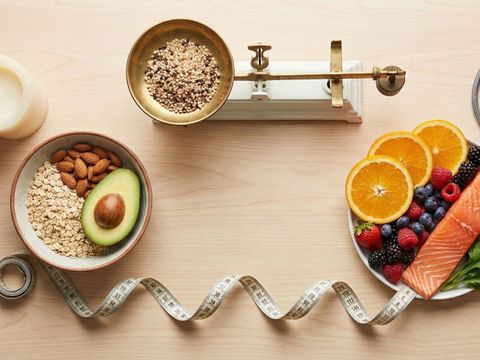
Polyphenols quench oxidative cascades through multiple synergistic biochemical mechanisms. Directly, they donate hydrogen atoms or single electrons to unstable radicals, breaking lipid peroxidation chain reactions. The resulting phenoxyl radicals remain biochemically inert due to resonance delocalization of the unpaired electron across the conjugated aromatic ring. Simultaneously, polyphenols chelate redox-active transition metals (divalent iron and copper), suppressing Fenton and Haber-Weiss reactions that yield cytotoxic hydroxyl radicals. Furthermore, polyphenols activate the cytoprotective Keap1-Nrf2-ARE transcriptional pathway, upregulating endogenous phase II detoxification and antioxidant enzymes. Optimal dietary sources include aronia, wild blueberries, raw cacao, matcha, cold-pressed extra virgin olive oil, and cruciferous vegetables.
Tags

mgr David Janitzek
✓Diets Premium Expert
Diets Premium team expert. Specializes in nutrition plans, strength sports, and training plans.
View Profile →