Food Freezing Fundamentals: What Belongs in the Freezer and What Does Not – Comprehensive Kitchen Guide

| Diets Premium Expert Anna Schmidt | min read 4 min | Scientifically reviewed by a clinical dietitian 23.10.2026 |
Smart Voice
•Listen to the article content live
Freezing is an invaluable household strategy to curtail food waste and preserve perishable nutrients without synthetic additives. However, not all food matrices withstand sub-zero crystallization. Products characterized by high moisture content, delicate fat emulsions, or raw ungelatinized starches suffer catastrophic structural degradation, syneresis, or textural collapse upon thawing. This kitchen guide delineates optimal freezer candidates from items that must never be frozen.
Want to apply these guidelines in your daily diet?
Our smart diet generator creates a tailored meal plan in 3 minutes based on the recommendations in this article.
Freezing Science – Physics of Preservation and Ideal Freezer Items
Maintaining temperatures at or below -18°C halts bacterial replication and dramatically retards enzymatic kinetics. Products exceptionally tolerant of freezing include:
- Raw and cooked meats and lean/fatty fish (vacuum-sealed against air).
- Sourdough breads and whole loaves (optimally sliced prior to freezing).
- Butter and hard matured cheeses (Parmesan, aged Cheddar, Gouda).
- Blanched brassicas, root vegetables, and legumes.
- Berries, pitted cherries, and stone fruits.
- Meat broths, clear soups, and slow-cooked stews (without dairy or potato thickeners).
Items Never to Freeze – The Kitchen Blacklist
Sub-zero exposure irreversibly damages specific food matrices:
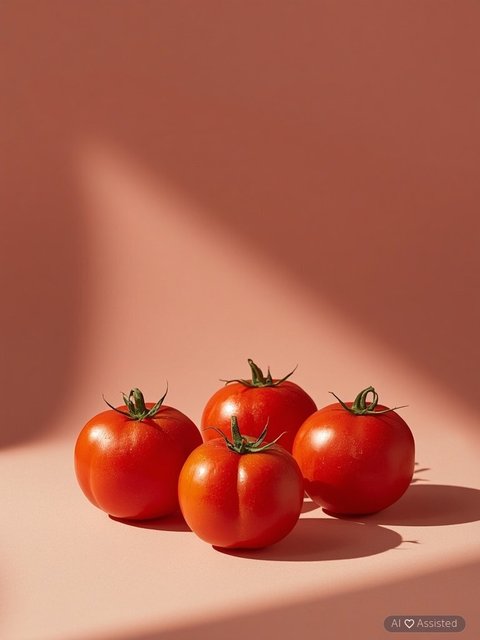
- High-water-content produce: Cucumbers, salad lettuces, radishes, raw celery, whole tomatoes—ice crystals rupture cells, leaving mushy, watery tissue.
- Low-fat dairy: Sour cream, natural yogurt, buttermilk, cottage cheese—undergoes severe syneresis and emulsion separation.
- Whole raw eggs in shell: Liquid expansion cracks the rigid calcareous shell, exposing the interior to pathogen contamination.
- Raw potatoes: Endogenous amylases convert ungelatinized starch into simple sugars, producing an unpalatable sweet, glassy, blackened texture.
- Mayonnaise and egg-based dressings: Emulsions undergo irreversible phase breakdown, separating into greasy liquid layers.
The Biophysics of Freezing Damage – Ice Crystal Size and Cell Rupture
Water expands by approximately 9% upon phase transition into ice. In domestic freezers, sluggish cooling rates foster the growth of large, jagged macro-crystals. These crystalline spears shear through plant cell walls and destabilize casein protein micelles. Conversely, industrial flash-freezing utilizes rapid cryogenic temperatures (-40°C), forming harmless micro-crystalline structures that leave biological textures intact.

Anna Schmidt
✓Diets Premium Expert
Diets Premium team expert. Specializes in nutrition plans, strength sports, and training plans.
View Profile →