Proper Food Storage – Refrigerator Temperature Zoning, Cross-Contamination Prevention, and Chilling-Sensitive Foods

| Diets Premium Expert Kacper Nowak | min read 3 min | Scientifically reviewed by a clinical dietitian 23.10.2026 |
Smart Voice
•Listen to the article content live
Proper household food storage represents the cornerstone of microbiological safety, foodborne pathogen prevention, and systemic food waste reduction. Contrary to common assumption, the internal environment of a domestic refrigerator exhibits marked temperature gradients, requiring targeted placement according to moisture and cold sensitivity. Furthermore, specific agricultural commodities experience physiological 'chilling injury' when refrigerated, accelerating spoilage and nutrient degradation. This comprehensive guide details refrigerator zoning protocols and optimal room-temperature storage rules.
Want to apply these guidelines in your daily diet?
Our smart diet generator creates a tailored meal plan in 3 minutes based on the recommendations in this article.
Refrigerator Temperature Zoning and Perishable Food Allocation
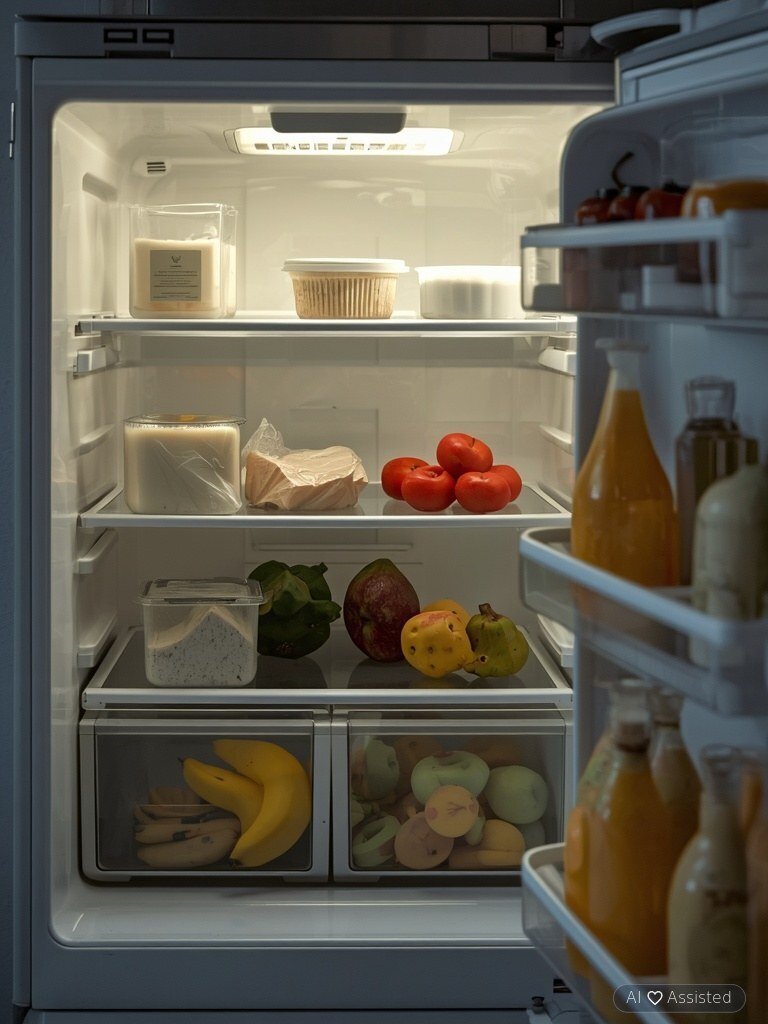
In standard domestic refrigerators, natural convection causes cooler, denser air to sink, generating a functional vertical temperature gradient:
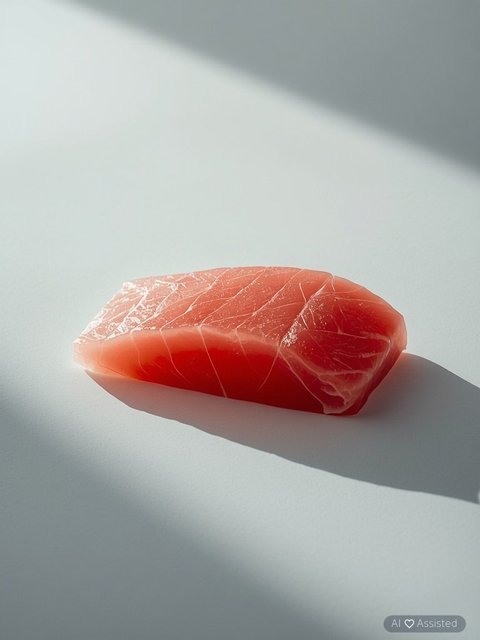
- Lowest Shelf (Directly Above Crispers, ~2°C / 35°F): The coldest sector. Exclusively designated for raw meats, poultry, and seafood. Positioning raw proteins at the absolute base physically prevents drip contamination onto ready-to-eat items, mitigating Campylobacter and Salmonella transmission.
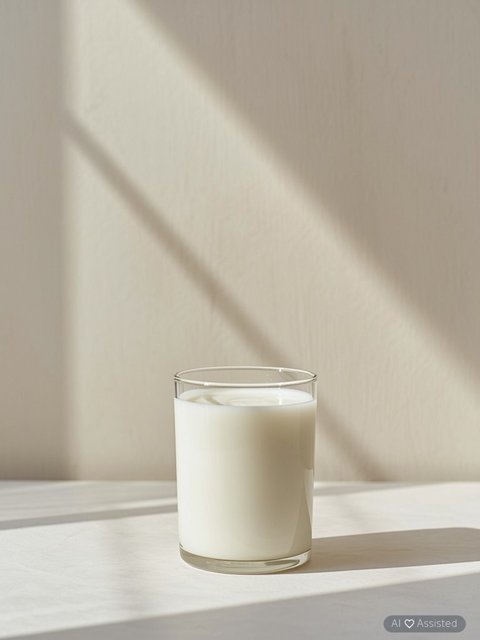
- Middle Shelves (~4–5°C / 39–41°F): Optimal for dairy products (yogurts, cottage cheese, pasteurized milk), cooked leftovers stored in sealed borosilicate containers, and deli meats.
- Top Shelf (~6–8°C / 43–46°F): The warmest sector of the main compartment. Suitable for prepared foods, cakes, opened preserves, hard cheeses, and items not demanding critical cold chains.
- Crisper Drawers (~7–8°C, Regulated Humidity): Engineered for cold-tolerant produce (root vegetables, crucifers, lettuces, radishes, and temperate berries intended for prompt consumption).
- Door Shelves (~8–10°C / 46–50°F): The zone most vulnerable to ambient thermal shocks upon door opening. Reserved for condiments, preserves, nut butters, and water. Clinical Note: Pasteurized liquid milk should never reside on door shelves—it maintains microbiologic stability far better on the central interior shelf.
Foods That Should NEVER Be Refrigerated and Chilling Injury Mechanisms
Indiscriminate refrigeration of fresh agricultural staples often degrades organoleptic quality, nutritional integrity, and accelerates spoilage via specific biochemical mechanisms:
- Tomatoes: Temperatures below 12°C (54°F) suppress transcription of genes encoding volatile synthesizing enzymes (particularly Z-3-hexenal). Furthermore, cold temperatures dissolve cellular membrane integrity, yielding mealy, flavorless flesh. Always store tomatoes at ambient room temperature calyx-down.
- Potatoes: Exposure below 8°C (46°F) triggers cold-induced sweetening (CIS), in which amylases hydrolyze storage starches into free reducing sugars (glucose and fructose). Subsequent high-temperature frying or baking produces dangerous levels of neurotoxic and carcinogenic acrylamide via the Maillard reaction. Store in a dark, ventilated dry pantry.
- Tropical Fruits (Bananas, Mangoes, Avocados, Citrus): Adapted to warm latitudes, these commodities suffer membrane phase transitions under cold conditions. Polyphenol oxidase (PPO) leaks from vacuolar compartments, causing enzymatic browning of banana peels, tissue pitting, and arrested ripening.
- Bread and Baked Goods: Refrigeration accelerates bread staling by up to six-fold compared to ambient storage. This is governed by starch retrogradation (crystallization of amylopectin matrix), which peaks between 2°C and 6°C. Surplus bread should be sliced and frozen, never refrigerated.
- Honey: Cold temperatures accelerate glucose crystallization, producing a coarse paste while compromising delicate diastase and invertase enzyme activities.
- Onions and Garlic: High relative humidity fosters mold growth, softens bulb firmness, and prompts premature sprouting. Store in dry, well-ventilated wire baskets.
Refrigerator Hygiene, Ethylene Separation, and the FIFO Principle in Preventing Food Spoilage
Optimal thermal zoning must be paired with phytohormone management and strict interior sanitation to maximize shelf life and food safety:
- Ethylene gas segregation: Climacteric fruits—such as apples, pears, plums, and peaches—emit ethylene gas, which accelerates chlorophyll breakdown, bitterness, and decay in ethylene-sensitive vegetables (broccoli, cucumbers, leafy greens, carrots). Store these groups in separate compartments.
- FIFO rotation (First In, First Out): Place newly purchased groceries toward the rear of shelves while moving older items with shorter expiration dates to the front.
- Eliminating psychrotrophic biofilms: Sanitize shelves, door gaskets, and the rear condensation drain channel every 2–4 weeks using a mild vinegar or baking soda solution to eradicate cold-tolerant Listeria monocytogenes and mold spores.
Tags

Kacper Nowak
✓Diets Premium Expert
Diets Premium team expert. Specializes in nutrition plans, strength sports, and training plans.
View Profile →