2 min read

Cauliflower – Fresh or Chilled

Mia Hoffmann
Mia Hoffmann ✓
Diets Premium Expert • 25.09.2026
✓
Scientifically reviewed by a clinical dietitian: This article has been peer-reviewed for adherence to IŻŻ, WHO, and PTGiP clinical nutritional standards.
Diets Premium Expert Mia Hoffmann min read 2 min Scientifically reviewed by a clinical dietitian 25.09.2026
Cauliflower – Fresh or Chilled

Smart Voice

•

Listen to the article content live

0:00 / 0:00
Key Takeaways
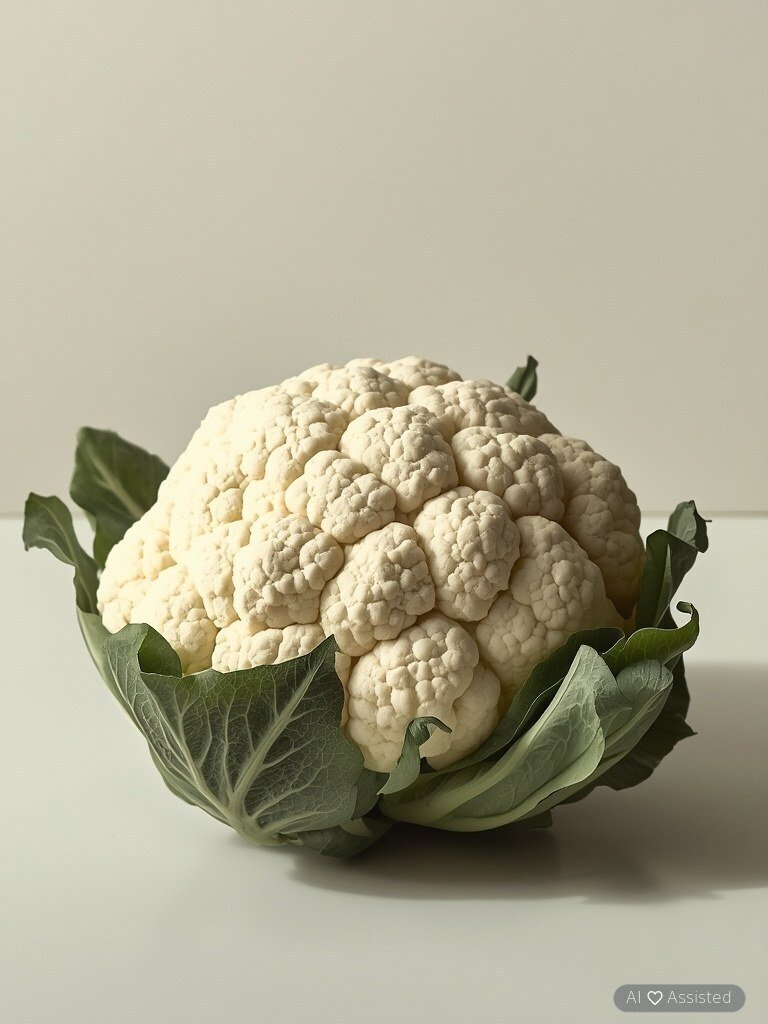
Cauliflower is a plant that belongs to the cabbage family, and its edible component is the so-called rose, the shape and colour of which depend on the variety. In Poland, white and cream cauliflower can be found, while the rose with a purple, green, or yellow hue is characteristic of Western Europe. It is best if the edible part of the cauliflower is large, heavy, undamaged, firm, and can be divided into individual florets.
Meal Plan

Want to apply these guidelines in your daily diet?

Our smart diet generator creates a tailored meal plan in 3 minutes based on the recommendations in this article.

Nutritional composition and health benefits of cauliflower – a comprehensive analysis of vitamins and minerals

Cauliflower, a cruciferous vegetable characterized by its tender, easily digestible texture, is particularly recommended for individuals adhering to low-fiber dietary regimens or those experiencing gastrointestinal disorders. It serves as a rich source of ascorbic acid (vitamin C), which plays a pivotal role in immune system modulation, stimulates collagen biosynthesis—a fundamental structural protein in connective tissue—fortifies vascular endothelial integrity, and neutralizes reactive oxygen species, thereby protecting cells from oxidative damage. Among the bioactive compounds present in this vegetable, glucosinolates—sulfur-containing glycosides—are of paramount importance, as their primary function involves enhancing hepatic detoxification processes through the activation of phase II xenobiotic-metabolizing enzymes. Epidemiological evidence suggests that regular consumption of glucosinolate-rich foods is associated with a reduced risk of malignant neoplasm development, particularly colorectal cancers, due to their capacity to inhibit mutagenic processes and induce apoptosis in tumor cells. Additionally, cauliflower contains flavonoids—polyphenolic compounds with well-documented cardioprotective properties—that contribute to the reduction of atherosclerosis and cardiovascular disease risk by inhibiting lipid peroxidation and platelet aggregation. Carotenoids, another group of antioxidants found in this vegetable, demonstrate the ability to scavenge free radicals and, upon conversion to retinol (the active form of vitamin A), support epidermal barrier function and optimize visual performance. Cauliflower also provides a spectrum of B vitamins (including thiamine, riboflavin, and folic acid), which act as coenzymes in critical metabolic pathways, participate in neurotransmitter synthesis, and maintain nervous system homeostasis. Equally significant is vitamin K1 (phylloquinone), which, as a coagulation factor, is involved in the carboxylation of blood clotting proteins, thereby ensuring adequate hemostasis and minimizing the risk of internal hemorrhage.

Does cauliflower actually contain calories? A detailed nutritional breakdown of this cruciferous vegetable

A 100-gram serving of raw cauliflower florets contains merely approximately 22 kilocalories, with its energetic composition distributed as follows: 2.6 grams of digestible carbohydrates (including negligible amounts of simple sugars), 2.4 grams of complete plant-based protein, and a substantial 2.5 grams of indigestible dietary fiber fractions that support intestinal motility.

Culinary applications of cauliflower – from traditional dishes to innovative recipes

Cauliflower is an extraordinarily versatile vegetable with a broad culinary applications spectrum, serving equally well as a side dish or a primary ingredient. Following thermal processing—whether boiled, steamed, or roasted—it pairs exceptionally with hearty lunch dishes, acting as a satiating and nutrient-rich complement. It also forms an ideal foundation for diverse salads, which gain depth of flavor when combined with creamy natural yogurt and other seasonal vegetables, such as cucumbers, tomatoes, or bell peppers. Moreover, cauliflower is indispensable in soup preparation, ranging from classic cauliflower soup to fragrant cream soups with a velvety texture, as well as multi-vegetable broths. Its subtle taste and tender structure enhance casseroles, including those featuring rice, pasta, or groats, with remarkable versatility. In vegan and vegetarian kitchens, cauliflower enjoys particular acclaim as an ingredient in groundbreaking dishes: from crispy pancakes mimicking the flavor of potatoes to low-carbohydrate pizza crusts and even experimental desserts like creamy ice cream, where the vegetable serves as a neutral-flavored base.
Mia Hoffmann

Mia Hoffmann

✓

Diets Premium Expert

Diets Premium team expert. Specializes in nutrition plans, strength sports, and training plans.

View Profile →
Recommended articles in this category

Related Articles

Discover similar publications and expert insights.

White Cabbage – Distinctive Features and Uses of White Cabbage Juice
Metabolism And Diet
White Cabbage – Distinctive Features and Uses of White Cabbage Juice
⏱ 3 min czytania
#Metabolism And Diet #Cruciferous Vegetables
Kohlrabi – A Versatile Superfood, Best Enjoyed Fresh: Health Benefits, Vitamin C, and Culinary Uses
Vegetables
Kohlrabi – A Versatile Superfood, Best Enjoyed Fresh: Health Benefits, Vitamin C, and Culinary Uses
⏱ 1 min czytania
#Vegetables #Vegetable
Winter Diet - How to Improve Nourishment in the Cold to Warm Up and Fortify the Body
Diet
Winter Diet - How to Improve Nourishment in the Cold to Warm Up and Fortify the Body
⏱ 7 min czytania 📚 Diet
#Chilled
Buckwheat (fresh or chilled)
Cooking
Buckwheat (fresh or chilled)
⏱ 2 min czytania
#Cooking #Chilled
Fresh or chilled tuna – nutritional values and culinary applications
Seafood
Fresh or chilled tuna – nutritional values and culinary applications
⏱ 3 min czytania 📚 Seafood
#Fresh #Chilled
Proper Food Storage – Refrigerator Temperature Zoning, Cross-Contamination Prevention, and Chilling-Sensitive Foods
Food Storage
Proper Food Storage – Refrigerator Temperature Zoning, Cross-Contamination Prevention, and Chilling-Sensitive Foods
⏱ 3 min czytania
#Food Storage #Food Quality
Colors – Artificial, Natural… How to Produce Edible Dyes?
Cream
Colors – Artificial, Natural… How to Produce Edible Dyes?
⏱ 8 min czytania
#Cream #Cherries
Arnica – Properties and Uses. Arnica Ointment and Arnica Oil
Cream
Arnica – Properties and Uses. Arnica Ointment and Arnica Oil
⏱ 4 min czytania
#Cream
Freeganism: The Flavor of Food from Waste
Cake
Freeganism: The Flavor of Food from Waste
⏱ 3 min czytania
#Cake #Breakfast
Properties, calorie count, glycemic index, and flaws of birch sugar
Calories
Properties, calorie count, glycemic index, and flaws of birch sugar
⏱ 4 min czytania
#Calories #Glycemic Index
Dependency-inducing attributes of confectionery products
Healthy Sweets
Dependency-inducing attributes of confectionery products
⏱ 2 min czytania 📚 Healthy Sweets
#Waffles #Filling
Instant 3-in-1 Coffee Sachets: Ingredient Breakdown, Hidden Sugars, and Health Impact
Coffee Beverage
Instant 3-in-1 Coffee Sachets: Ingredient Breakdown, Hidden Sugars, and Health Impact
⏱ 2 min czytania
#Coffee Beverage #Beverage
Semi-fat curd cheese (quark) – characteristics, nutritional values, and calories
Dairy-Based
Semi-fat curd cheese (quark) – characteristics, nutritional values, and calories
⏱ 1 min czytania 📚 Dairy-Based
#Calorie Content #Caloric Content
Sweetened Condensed Milk: Ingredient Breakdown, Economic Value, and Homemade Recipes
Peppermint
Sweetened Condensed Milk: Ingredient Breakdown, Economic Value, and Homemade Recipes
⏱ 5 min czytania
#Peppermint #Sweetened
Traditional ice cream or sorbet – how to distinguish them and how to craft your own refreshing sorbet at home
Frozen Treat
Traditional ice cream or sorbet – how to distinguish them and how to craft your own refreshing sorbet at home
⏱ 2 min czytania
#Frozen Treat #Frozen Desserts
Napa Cabbage – Characteristics, Costs, Recipes… How to Use Napa Cabbage
Daily Nutrient Intake
Napa Cabbage – Characteristics, Costs, Recipes… How to Use Napa Cabbage
⏱ 3 min czytania
#Daily Nutrient Intake #Cruciferous Vegetable
Musk Pumpkin – Features and Cultivation
Nutrition
Musk Pumpkin – Features and Cultivation
⏱ 5 min czytania 📚 Nutrition
#Cream #Pasta
Avocado Cultivated in the Warm Regions of Central and South America
Fatty Acids
Avocado Cultivated in the Warm Regions of Central and South America
⏱ 3 min czytania
#Fatty Acids #Avocado
Select the best creamy bread spread!
Creamy
Select the best creamy bread spread!
⏱ 1 min czytania
#Creamy #Spread
Autumn Cream Soups with Pumpkin, Zucchini and Eggplant
Autumn Soups
Autumn Cream Soups with Pumpkin, Zucchini and Eggplant
⏱ 5 min czytania
#Autumn Soups #Stimulants
Almond milk – properties, nutritional composition, homemade preparation method, and a comprehensive comparative analysis with conventional cow’s milk
Dairy-Free Beverages
Almond milk – properties, nutritional composition, homemade preparation method, and a comprehensive comparative analysis with conventional cow’s milk
⏱ 5 min czytania 📚 Dairy-free Beverages
#Blood Glucose Regulation #Nutritional Composition
Chanterelle mushrooms (Cantharellus cibarius): a comprehensive guide to field identification, processing, culinary techniques, and classic recipes
Food & Ingredients
Chanterelle mushrooms (Cantharellus cibarius): a comprehensive guide to field identification, processing, culinary techniques, and classic recipes
⏱ 5 min czytania 📚 Food & Ingredients
#Culinary Versatility #Rich Flavor Profile
Parsnip (Pastinaca sativa) – Nutritional Properties, Culinary Applications, and Creamy Parsnip Soup Recipe
Food & Ingredients
Parsnip (Pastinaca sativa) – Nutritional Properties, Culinary Applications, and Creamy Parsnip Soup Recipe
⏱ 4 min czytania 📚 Food & Ingredients
#Nutritional Properties #Culinary Traditions
Mascarpone Cheese: Velvety Italian Delicacy, Culinary Heritage, Nutritional Profile, and Gastronomic Uses
Cream Cheese
Mascarpone Cheese: Velvety Italian Delicacy, Culinary Heritage, Nutritional Profile, and Gastronomic Uses
⏱ 2 min czytania
#Cream Cheese #Sweet Flavor
Folate Acids - Action, Sources in Food, Consequences of Deficiency, Supplementation
Pregnancy & Motherhood
Folate Acids - Action, Sources in Food, Consequences of Deficiency, Supplementation
⏱ 6 min czytania 📚 Pregnancy & Motherhood
#Pregnancy
Gluten - Good or Bad?
⏱ 6 min czytania
Emotional Hunger and Physical Hunger - How to Cope with Emotional Eating
⏱ 8 min czytania
Indian Mustard - properties and applications
⏱ 3 min czytania
Preparation and Cooking of Grain Kernels - Practical Guidelines and Advice
⏱ 5 min czytania
GEO - is it safe? What benefits does it offer?
⏱ 5 min czytania

Share