5 min read
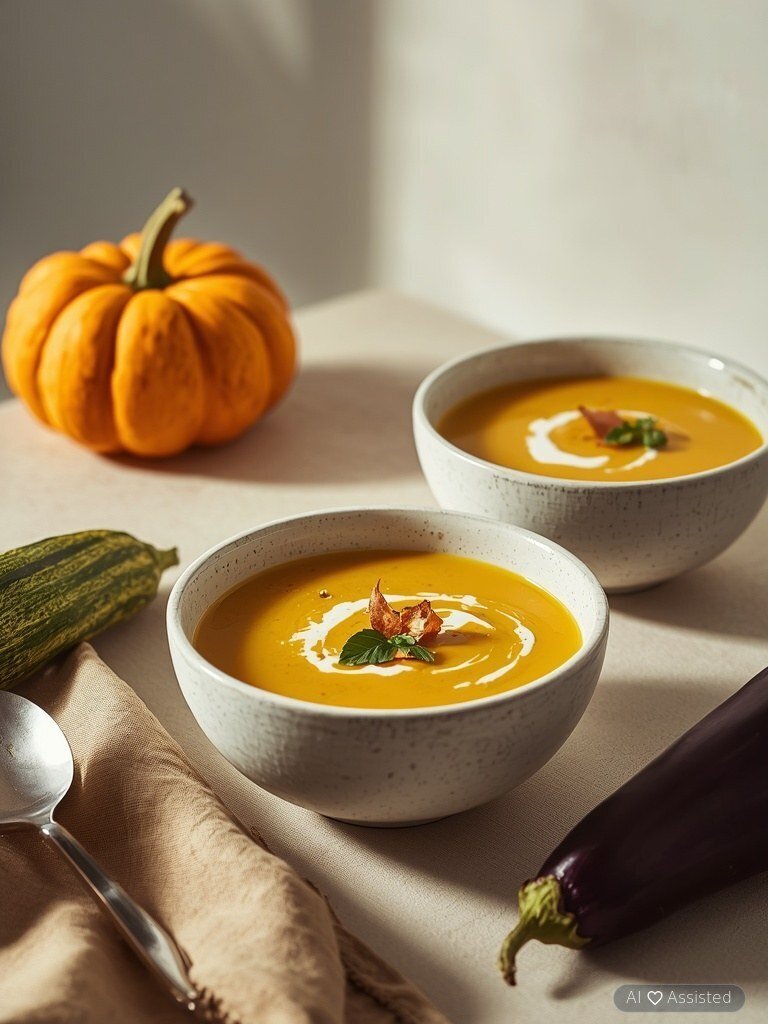
Autumn Cream Soups with Pumpkin, Zucchini and Eggplant

Max Müller
✓
Diets Premium Expert • 23.10.2026
✓
Scientifically reviewed by a clinical dietitian:
This article has been peer-reviewed for adherence to IŻŻ, WHO, and PTGiP clinical nutritional standards.
| Diets Premium Expert Max Müller | min read 5 min | Scientifically reviewed by a clinical dietitian 23.10.2026 |
Smart Voice
•Listen to the article content live
0:00
/
0:00
Key Takeaways
Autumn brings a bountiful harvest of nutrient-dense seasonal vegetables such as pumpkin, zucchini, and eggplant. Velvety cream soups crafted from these ingredients provide an exceptional way to nourish and warm the body on chilly days, serving as concentrated sources of antioxidants, vitamins, and metabolic-supporting fiber. This article explores essential culinary techniques, principles for composing satisfying yet low-calorie cream soups, and wholesome recipe inspirations for the autumn season.
Meal Plan
Want to apply these guidelines in your daily diet?
Our smart diet generator creates a tailored meal plan in 3 minutes based on the recommendations in this article.
Autumn Cream Soups in Daily Nutrition: Nutritional Density, Caloric Balance, and Satiety
Velvety cream soups serve as an outstanding component of the autumn diet, seamlessly combining substantial meal volume with low caloric density. Pureeing vegetables enhances the bioavailability of key micronutrients, while the abundant water and soluble dietary fiber content promotes gastric distension, stimulating satiety hormones such as peptide YY and GLP-1. Regular consumption of wholesome vegetable soups aids weight management by facilitating caloric control without inducing hunger pangs. Furthermore, the warm liquid format supports systemic hydration during colder months when the physiological sensation of thirst is frequently diminished.
Autumn Vegetable Trio: Pumpkin, Zucchini, and Eggplant – Bioactive and Antioxidant Profiles
Pumpkin, zucchini, and eggplant represent an exceptional trio of vegetables with complementary nutritional advantages. Pumpkin delivers abundant beta-carotene (provitamin A), lutein, and zeaxanthin, powerful carotenoids that safeguard ocular health, modulate immune function, and combat cellular aging. Zucchini is celebrated for its remarkably modest caloric footprint (approximately 16–17 kcal per 100 g) along with notable concentrations of potassium, folate, and vitamin C, supporting healthy blood pressure and bowel regularity. Eggplant features nasunin within its deep purple skin—a potent anthocyanin possessing proven neuroprotective qualities that shield brain cell membrane lipids against oxidative peroxidation while supporting hepatic lipid metabolism.
Culinary Fundamentals: Crafting a Velvety Cream Soup Without Unnecessary Calories
The foundation of an exemplary cream soup lies in quality broth and refined cooking techniques. Rather than relying on commercial bouillon cubes loaded with sodium and hydrogenated fats, the base should be a homemade aromatic vegetable broth or light poultry stock infused with celery, leek, carrot, and parsley. Roasting core vegetables—especially pumpkin and eggplant—prior to blending caramelizes natural sugars, imparting profound depth of flavor. To achieve a velvety, luxurious texture without heavy dairy cream or flour-based roux, one can leverage the natural starch of roasted pumpkin, a small cooked potato, white beans, or a dollop of unsweetened Greek yogurt whisked in just before serving.
Warming Flavor Compositions: Aromatic Spices and Protein-Rich Garnishes
Infusing autumn cream soups with carefully selected warming spices enhances both their culinary allure and therapeutic potency. Incorporating freshly grated ginger, turmeric combined with black pepper (whose piperine amplifies curcumin bioavailability), crushed garlic, nutmeg, or cardamom stimulates thermogenesis and delivers robust anti-inflammatory benefits. To transform a cream soup into a complete, macronutrient-balanced meal, finish each serving with high-quality protein and healthy unsaturated fats: toasted pumpkin seeds, sunflower kernels, whole-grain sourdough croutons, roasted spiced chickpeas, or crumbled artisanal goat cheese.

mgr Max Müller
✓Diets Premium Expert
Diets Premium team expert. Specializes in nutrition plans, strength sports, and training plans.
View Profile →