Papaya (Carica papaya) – Nutritional Properties, Papain Enzyme Activity, and Culinary Applications

| Diets Premium Expert Tomasz Jankowski | min read 4 min | Scientifically reviewed by a clinical dietitian 23.10.2026 |
Smart Voice
•Listen to the article content live
Carica papaya, universally known as papaya, is a tropical fruit crop prized worldwide for its succulent, salmon-orange flesh and distinctive biochemical profile. Serving not only as a staple reservoir of vitamins C and A across equatorial and subtropical regions, papaya is also revered in clinical nutrition for its proteolytic enzyme papain, which facilitates dietary protein digestion. Explore the evidence-based health benefits of papaya, clinical research into its bioactive extracts, and practical culinary techniques for preparing both sweet and savory dishes.
Want to apply these guidelines in your daily diet?
Our smart diet generator creates a tailored meal plan in 3 minutes based on the recommendations in this article.
Papaya (Carica papaya) – Botanical Characteristics and Nutritional Value
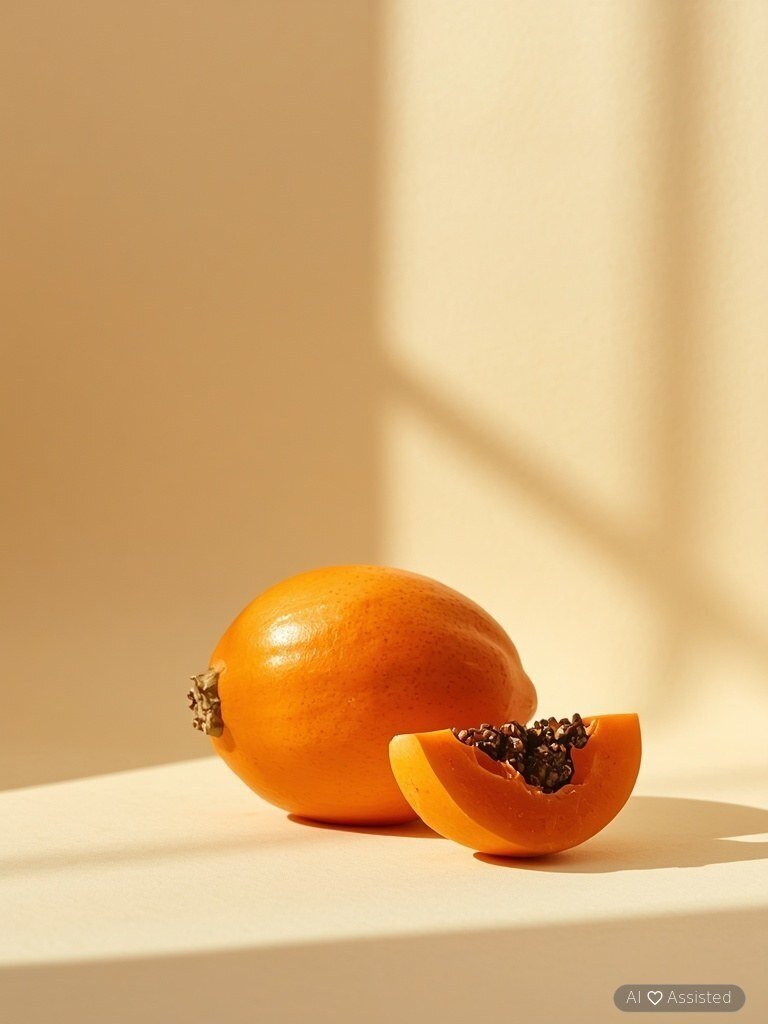
Papaya (Carica papaya) is extensively cultivated across tropical and subtropical latitudes in Central and South America, Southeast Asia, and Africa. It grows on a fast-growing, unbranched herbaceous tree-like perennial reaching 5 to 10 meters in height, crowned with a canopy of large, deeply palmately lobed leaves. The fruits are oval to pear-shaped berries ranging from 15 to over 40 centimeters in length depending on the cultivar (such as the compact Hawaiian Solo or the larger Mexican Maradol).
The ripe pulp is buttery, succulent, and nutrient-dense—consisting of approximately 88% water and 10–11% carbohydrates (with 1.7 g/100 g of dietary fiber), resulting in a modest caloric density of just 43 to 44 kcal per 100 g of edible flesh. Nutritionally, papaya excels in vitamin C (approx. 61 mg/100 g—covering over 75% of the adult daily value), folate, potassium (approx. 182 mg/100 g), and highly bioavailable carotenoids, notably lycopene, beta-cryptoxanthin, and beta-carotene.
Therapeutic Properties of Papaya – Papain Enzyme Activity and Clinical Research
The signature bioactive compound isolated from Carica papaya (especially abundant in unripe green fruit latex and leaves) is papain—a proteolytic cysteine endopeptidase that catalyzes the hydrolysis of peptide bonds in dietary proteins. In clinical nutrition and gastroenterology, papain is widely employed to alleviate functional dyspepsia, hypochlorhydria, and postprandial bloating following protein-dense meals. Furthermore, sports medicine trials indicate that protease supplementation incorporating papain accelerates myofibrillar recovery after eccentric exercise and attenuates delayed-onset muscle soreness (DOMS).
Contemporary biochemical and clinical studies highlight several additional therapeutic mechanisms of papaya phytochemicals:
- Anti-inflammatory and Chemopreventive Potential: Modified papaya pectins, lycopene, and benzyl isothiocyanate (BITC) have been shown in preclinical cell-line models to inhibit neoplastic cell proliferation, promote apoptosis, and modulate cytokine signaling.
- Antimicrobial and Anthelmintic Seed Extracts: Essential oils and extracts from black papaya seeds exhibit fungistatic activity against opportunistic Candida albicans overgrowth as well as antiparasitic effects in the gastrointestinal lumen.
- Respiratory Immunomodulation: In experimental airway inflammation models, papaya leaf extracts downregulated pro-inflammatory cytokines (IL-4, IL-5, TNF-alpha) in bronchial tissues.
How to Peel, Prepare, and Eat Papaya
Preparing fresh papaya for consumption is straightforward and closely resembles cutting a cantaloupe or avocado. Begin by washing the exterior of the fruit thoroughly under warm running water and drying it. Using a sharp chef's knife or vegetable peeler, pare away the thin, inedible outer skin, then slice the fruit lengthwise (vertically) into two symmetrical halves.
The central cavity holds clusters of glossy, spherical black seeds encased in a gelatinous aril—scoop out the seeds cleanly with a spoon. Only the tender, salmon-orange edible flesh (pulp) remains, ready to be cubed, sliced into wedges, or scooped directly from the halved fruit. Drizzling fresh lime or lemon juice over the flesh brightens its tropical sweetness remarkably well. Notably, the black seeds are also edible in small quantities: when dried, they possess a pungent, peppery-mustard bite and can be ground in a pepper mill as a digestive culinary spice.
Papaya in the Kitchen – Sweet and Savory Culinary Recipes
Papaya shines equally in raw preparations—such as tropical fruit salads, smoothies, and breakfast bowls—and in cooked sweet or savory dishes inspired by Southeast Asian and Latin American cuisines. Because of its proteolytic papain activity, pureed papaya also serves as a natural meat tenderizer in marinades. Below are two versatile recipes showcasing both sweet and savory dimensions:
- Steamed & Baked Papaya-Coconut Bites with Cashews (Sweet): Mash 250 g of ripe papaya pulp until smooth and fold in 125 g of whole-wheat (or oat) flour, 25 g of unsweetened shredded coconut, 25 g of finely chopped cashew nuts, 25 g of unrefined palm or coconut sugar, and a pinch of ground cardamom. Spread the batter onto greased parchment paper, steam for 10 minutes to set, then transfer to a baking sheet and bake at 180°C for 5 to 8 minutes until lightly golden. Slice into neat cubes and garnish with toasted cashews.
- Spiced Savory Papaya and Potato Fritters with Ginger (Savory): Finely grate 1 large firm papaya and 3 medium peeled potatoes. Toss with 1 teaspoon of turmeric, 1 teaspoon of chili flakes, and a pinch of sea salt; let stand for 10 minutes, then squeeze out excess moisture thoroughly. Fold in freshly grated ginger and 1 teaspoon of crushed coriander seeds. Shape into compact patties and pan-sear lightly in coconut oil (or oven-bake) on both sides until crisp and golden brown.

mgr Tomasz Jankowski
✓Diets Premium Expert
Diets Premium team expert. Specializes in nutrition plans, strength sports, and training plans.
View Profile →