Algal microorganisms: biological characteristics and applied uses of spirulina and chlorella in scientific and industrial contexts

Olivia Davis
Olivia Davis ✓
Diets Premium Expert • 24.09.2026
✓
Scientifically reviewed by a clinical dietitian: This article has been peer-reviewed for adherence to IŻŻ, WHO, and PTGiP clinical nutritional standards.
Diets Premium Expert Olivia Davis min read 4 min Scientifically reviewed by a clinical dietitian 24.09.2026
Algal microorganisms: biological characteristics and applied uses of spirulina and chlorella in scientific and industrial contexts

Smart Voice

•

Listen to the article content live

0:00 / 0:00
Key Takeaways
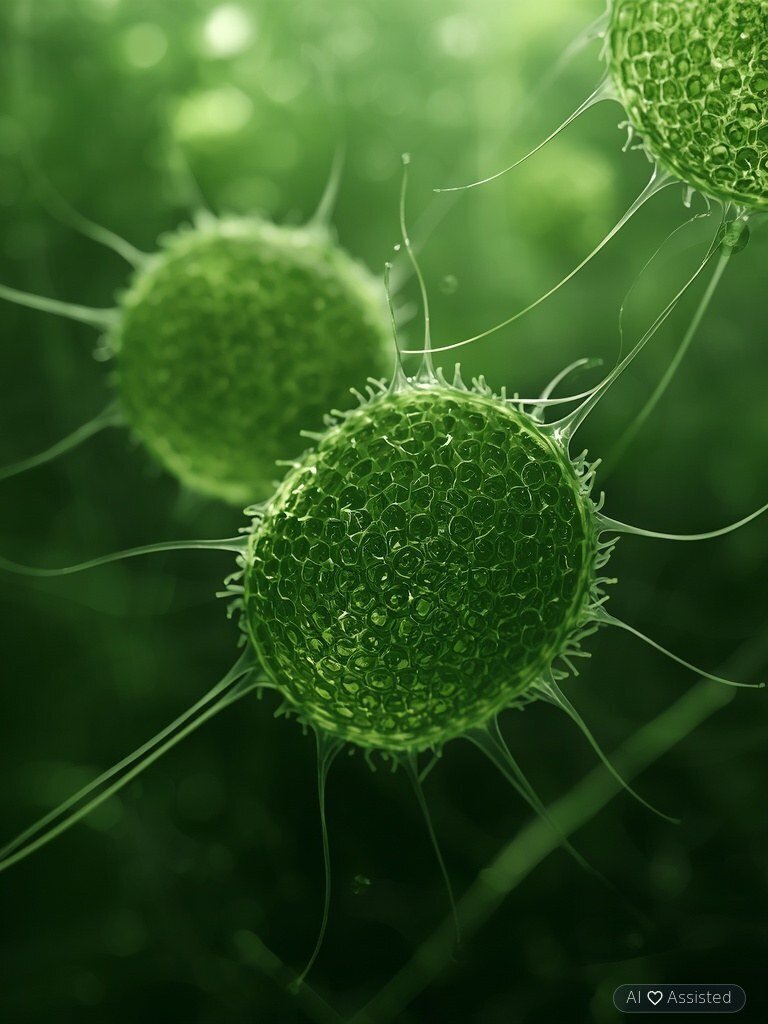
Microscopic algae constitute a remarkable group of organisms positioned at the biological intersection of plant and animal kingdoms, exhibiting characteristics of both classifications. As some of the most ancient life forms documented on Earth, they play a pivotal role in aquatic ecosystems, while their distinctive biochemical properties continue to garner substantial attention from researchers and industrial sectors alike. This material explores the fundamental biological aspects of these organisms and provides a comprehensive analysis of the potential applications of two particularly well-known species—*Arthrospira platensis* (commonly referred to as spirulina) and *Chlorella vulgaris*—with an emphasis on their nutritional composition, mechanisms of action, and prospective uses in dietary supplementation, pharmacology, and biotechnological innovations.
Meal Plan

Want to apply these guidelines in your daily diet?

Our smart diet generator creates a tailored meal plan in 3 minutes based on the recommendations in this article.

Microwaves properties

Microalgae are a source of many minerals because the water in which they are grown is enriched with the desired microelements. They are an excellent source of proteins, omega-3 acids, GLAs, beta-carotene and nucleic acids (RNA/DNA) that support cell renewal and delay aging processes. Microalgues contain a large amount of chlorophyll, which acts as a purifier, stopping the spread of microorganisms. Its greatest content is also found in green and blue-green plants.

Microwaves use

Because of their specific taste, they are most often used as dietary supplements. They can, of course, be added to foods. According to Eastern medicine, they should be combined with a warm meal because of their cooling properties (although this is individual depending on the type of body of each of us). Algae contain a lot of plant protein, which is very well absorbed by the body. They are also recommended for people who eat large amounts of refined white flour and sugar products, as well as those who are overweight, diabetic, hypoglycemic or degenerative diseases.

Microwaves of spirulina

Spirulina has a blue-green colour. It contains a lot of chlorophyll, has a cleansing, toning and nourishing effect on the body. It is easily digestible and easily absorbed, which is why it is recommended for people with impaired absorption. Most spirulina proteins are in the form of bilprotein which have been digested beforehand. A small amount of carbohydrate is broken down into a number of functions, and a small part of it is in glycogen. These substances provide a long-lasting and stable energy level.

Microwaves of chlorella

Chlorella has been living on Earth for 2 billion years. It contains slightly less protein than spirulina, less beta carotene, and more than twice as many nucleic acids and chlorophyll. However, chlorella has a detoxifying effect on the body because its cell walls have the ability to bind heavy metals, pesticides, and carcinogens, which are removed. It also contains mucopolysaccharides that stimulate the release of interferon and other substances stimulating our immune system. Chlorela has its own, rich growth factor (Chlorella Growth Factor) CGF, which contributes to the supply of nutrients to cells in all organs.
Olivia Davis

Olivia Davis

✓

Diets Premium Expert

Diets Premium team expert. Specializes in nutrition plans, strength sports, and training plans.

View Profile →
Recommended articles in this category

Related Articles

Discover similar publications and expert insights.

Chlorella - A Supportive Alga in Diet
Seaweed
Chlorella - A Supportive Alga in Diet
⏱ 1 min czytania
#Seaweed #Chlorella
Chlorella - composition, mode of action, application, recipe for use
Dietary Supplement
Chlorella - composition, mode of action, application, recipe for use
⏱ 3 min czytania
#Dietary Supplement #Japanese Diet
Molasses – a viscous, sweet byproduct of sugar refining: characteristics, merits, and industrial as well as culinary applications
Food & Ingredients
Molasses – a viscous, sweet byproduct of sugar refining: characteristics, merits, and industrial as well as culinary applications
⏱ 4 min czytania 📚 Food & Ingredients
#Alcoholic Beverages #Bioactive Compounds
Boric Acid in Modern Medicine: Properties, Antifungal Mechanisms, Clinical Uses, and Toxicity Profile
Nutritional Science
Boric Acid in Modern Medicine: Properties, Antifungal Mechanisms, Clinical Uses, and Toxicity Profile
⏱ 3 min czytania 📚 Nutritional Science
#Food Preservation #Food Safety
A comprehensive guide to meat selection: nutritional composition analysis and culinary techniques for informed consumers
Antimicrobial Resistance
A comprehensive guide to meat selection: nutritional composition analysis and culinary techniques for informed consumers
⏱ 3 min czytania
#Antimicrobial Resistance #Nutritional Composition
Almond seeds: characteristics and distinctions between sweet and bitter cultivars
Food & Ingredients
Almond seeds: characteristics and distinctions between sweet and bitter cultivars
⏱ 2 min czytania 📚 Food & Ingredients
#Confectionery #Almond Flour
Food Freezing Fundamentals: What Belongs in the Freezer and What Does Not – Comprehensive Kitchen Guide
Food Preservation
Food Freezing Fundamentals: What Belongs in the Freezer and What Does Not – Comprehensive Kitchen Guide
⏱ 4 min czytania
#Food Preservation #Food Storage
Phosphoric Acid (E338): Food Chemistry, Impact on Bone Mineral Density, Dental Enamel, and Renal Health
Food & Ingredients
Phosphoric Acid (E338): Food Chemistry, Impact on Bone Mineral Density, Dental Enamel, and Renal Health
⏱ 6 min czytania 📚 Food & Ingredients
#Food Industry Risks #Beverages And Health
Cocoa butter: characteristics, effects, and versatile applications across multiple industrial sectors
Food Science
Cocoa butter: characteristics, effects, and versatile applications across multiple industrial sectors
⏱ 3 min czytania 📚 Food Science
#Dermatological #Industrial
Does CBD oil derived from industrial hemp genuinely possess therapeutic properties, and what are the underlying mechanisms of its action?
Industrial
Does CBD oil derived from industrial hemp genuinely possess therapeutic properties, and what are the underlying mechanisms of its action?
⏱ 3 min czytania
#Industrial #Vigorous
Does this drink qualify as beer, wine, or distilled spirits—or could moderate consumption potentially yield health benefits?
Health Benefits
Does this drink qualify as beer, wine, or distilled spirits—or could moderate consumption potentially yield health benefits?
⏱ 8 min czytania
#Health Benefits #Distilled Spirits
Plant Polyphenols: Potent Antioxidants Neutralizing Free Radicals and Combating Oxidative Stress
Processed Foods
Plant Polyphenols: Potent Antioxidants Neutralizing Free Radicals and Combating Oxidative Stress
⏱ 4 min czytania
#Processed Foods #Chronic Diseases
Impact of Thermal Food Processing on the Formation of Carcinogenic Compounds: Polycyclic Aromatic Hydrocarbons (PAHs) and Heterocyclic Aromatic Amines (HCAs)
Chemical Substances In Food
Impact of Thermal Food Processing on the Formation of Carcinogenic Compounds: Polycyclic Aromatic Hydrocarbons (PAHs) and Heterocyclic Aromatic Amines (HCAs)
⏱ 6 min czytania
#Chemical Substances In Food #Food Processing Methods
Nutrient-dense, unfiltered apple cider vinegar from whole fruit
Nutrient-Dense
Nutrient-dense, unfiltered apple cider vinegar from whole fruit
⏱ 2 min czytania
#Nutrient-Dense #Bioactive Compounds
Carrots: a comprehensive guide to cultivar diversity, nutritional composition, and health-promoting attributes
Vegetables
Carrots: a comprehensive guide to cultivar diversity, nutritional composition, and health-promoting attributes
⏱ 5 min czytania 📚 Vegetables
#Nutritional Requirements #Nutritional Composition
Koumiss – traditional fermentation methods, nutritional biochemistry, and therapeutic properties of fermented mare's milk
Food & Ingredients
Koumiss – traditional fermentation methods, nutritional biochemistry, and therapeutic properties of fermented mare's milk
⏱ 4 min czytania 📚 Food & Ingredients
#Nutritional Composition Of Milk #Nutritional Composition
Turmeric (Curcuma longa): nutritional profile, mechanisms of action, piperine synergy, and functional culinary applications
Food & Ingredients
Turmeric (Curcuma longa): nutritional profile, mechanisms of action, piperine synergy, and functional culinary applications
⏱ 4 min czytania 📚 Food & Ingredients
#Bioactive Compounds In Plants #Anti-inflammatory Compounds
Raspberries – Health-Promoting Properties, Nutritional Profile, and Dietary Significance
Fruits
Raspberries – Health-Promoting Properties, Nutritional Profile, and Dietary Significance
⏱ 2 min czytania 📚 Fruits
#Nutritional Composition #Bioactive Compounds
Citrus Fruits, Lemon and Lime Juice: Phytochemical Composition, Vitamin C, Citric Acid, and Physiological Health Benefits
Nutritional Science
Citrus Fruits, Lemon and Lime Juice: Phytochemical Composition, Vitamin C, Citric Acid, and Physiological Health Benefits
⏱ 2 min czytania 📚 Nutritional Science
#Natural Sources Of Vitamin C #Trace Elements In The Body
Freeze-Drying (Lyophilization): Biophysical Mechanisms, Nutrient Retention, and Functional Applications
Nutritional Science
Freeze-Drying (Lyophilization): Biophysical Mechanisms, Nutrient Retention, and Functional Applications
⏱ 3 min czytania 📚 Nutritional Science
#Bioactive Compounds In Food #Nutritional Composition Of Fruits
Linoleic Acid (Omega-6): Essential Functions, Epidermal Permeability Barrier, and Dietary Ratios
Nutritional Science
Linoleic Acid (Omega-6): Essential Functions, Epidermal Permeability Barrier, and Dietary Ratios
⏱ 3 min czytania 📚 Nutritional Science
#Nutritional Impact On Health #Dietary Fats And Health
The Vital Role of EPA and DHA in Pregnancy and Infancy: Fetal Neurodevelopment, Retinal Maturation, and Preterm Birth Prevention
Nutritional Science
The Vital Role of EPA and DHA in Pregnancy and Infancy: Fetal Neurodevelopment, Retinal Maturation, and Preterm Birth Prevention
⏱ 6 min czytania 📚 Nutritional Science
#Omega-3 And Omega-6 Fatty Acids #Polyunsaturated Fatty Acids
American Breakfasts – Traditional Flavors of the Continent
Dietetics
American Breakfasts – Traditional Flavors of the Continent
⏱ 6 min czytania 📚 Dietetics
Beverages and cooling meals - the perfect choice for hot days!
Dietetics
Beverages and cooling meals - the perfect choice for hot days!
⏱ 3 min czytania 📚 Dietetics
When to Seek a Dietitian's Advice About a Child's Problem
Dietetics
When to Seek a Dietitian's Advice About a Child's Problem
⏱ 5 min czytania 📚 Dietetics
How to Care for Your Heart, Dietary Advice
Dietetics
How to Care for Your Heart, Dietary Advice
⏱ 6 min czytania 📚 Dietetics
Is this truly the way a meal break should look like?
Dietetics
Is this truly the way a meal break should look like?
⏱ 3 min czytania 📚 Dietetics
What food items are worth bringing to the water? 4 tasty suggestions
Dietetics
What food items are worth bringing to the water? 4 tasty suggestions
⏱ 4 min czytania 📚 Dietetics
Fermented Foods - How to Utilize Them?
Dietetics
Fermented Foods - How to Utilize Them?
⏱ 7 min czytania 📚 Dietetics
Is it truly a spinach stone? What to avoid, how to prepare meals?
Dietetics
Is it truly a spinach stone? What to avoid, how to prepare meals?
⏱ 5 min czytania 📚 Dietetics

Share