A comprehensive guide to meat selection: nutritional composition analysis and culinary techniques for informed consumers

| Diets Premium Expert Olivia Davis | min read 3 min | Scientifically reviewed by a clinical dietitian 23.10.2026 |
Smart Voice
•Listen to the article content live
Currently, there is a marked surge in interest surrounding meat-exclusion diets, driven by heightened societal awareness of the ethical and health-related implications inherent in modern industrial animal farming. Many consumers adopt a critical stance toward conventional rearing practices, wherein animals are confined in inhumane conditions while their growth is artificially accelerated through the administration of chemical agents, including antibiotics and synthetic growth hormones. Such methodologies not only compromise animal welfare but may also adversely affect the quality of consumed meat, posing potential risks to human health—ranging from endocrine disruptions to the proliferation of antimicrobial resistance.
Want to apply these guidelines in your daily diet?
Our smart diet generator creates a tailored meal plan in 3 minutes based on the recommendations in this article.
Biological value of protein and micronutrient profiles across meat varieties
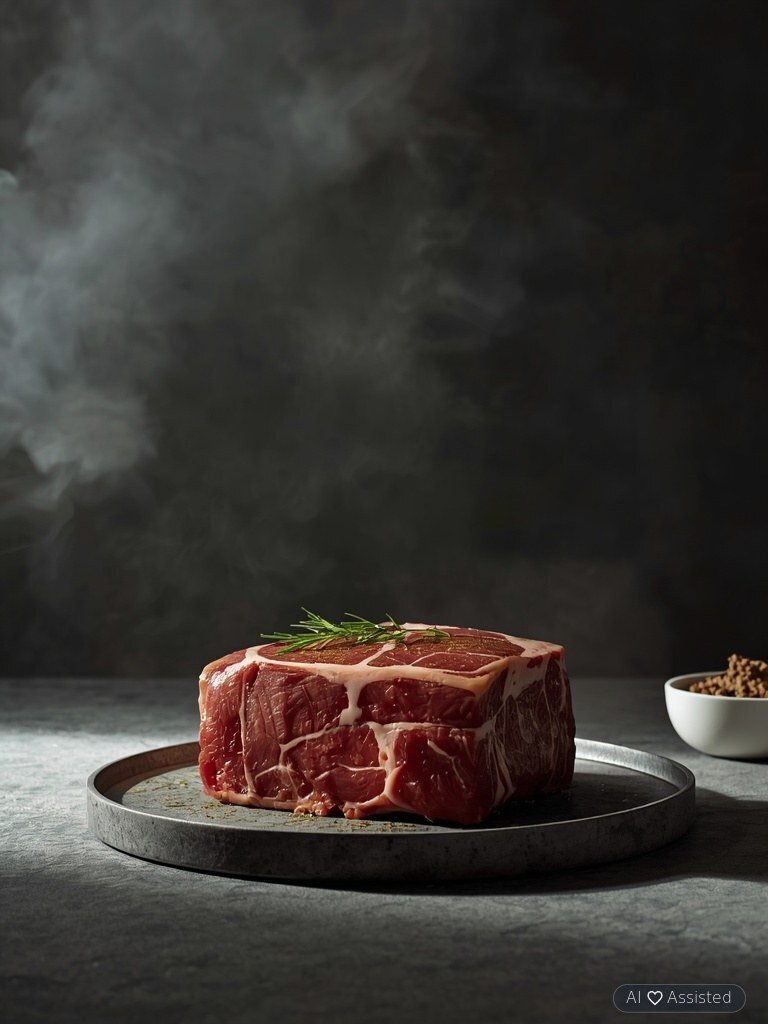
Meat provides complete protein with maximal biological value (BV), supplying all nine essential amino acids in optimal ratios for human tissue repair and maintenance. However, nutritional compositions vary substantially across culinary categories:
- Beef and Veal: Unmatched sources of bioavailable heme iron, zinc, and cobalamin (vitamin B12), vital for hematopoiesis and neurological integrity.
- Poultry (Turkey, Chicken): Exceptionally lean protein matrices with low saturated fat and rich concentrations of niacin (vitamin B3).
- Pork: Remarkably dense in thiamine (vitamin B1), supporting glucose metabolism and nervous system conduct.
- Lamb and Mutton: Celebrated for naturally occurring conjugated linoleic acid (CLA) and L-carnitine.
Selection criteria: animal welfare, freshness markers, and certification
Meat quality reflects livestock husbandry, environment, and diet. Intensive industrial livestock production yields inferior fatty acid ratios compared to pasture-raised systems. Grass-fed beef exhibits substantially higher concentrations of omega-3 fatty acids, alpha-tocopherol, and carotenoids.
When evaluating freshness, inspect color (vibrant red/pink without grayish discoloration), muscle elasticity (firm, rebounding immediately upon pressure), and aroma (clean and neutral, devoid of sourness). Prioritize certified organic sourcing or trusted artisanal butchers.
Culinary thermodynamics: thermal methods and carcinogenic risk reduction
Thermal preparation dictates both protein digestibility and the formation of potentially mutagenic byproducts. High-heat searing, open-flame charring, and prolonged frying generate heterocyclic aromatic amines (HCAs) and polycyclic aromatic hydrocarbons (PAHs).
Gentle culinary techniques represent the gold standard: low-temperature braising, steaming, baking in parchment below 160°C, and vacuum sous-vide. Marinating meat in polyphenol-rich herb mixtures (rosemary, thyme, garlic, olive oil) mitigates HCA formation by up to 70–90%.
The planetary and human health balance in contemporary meat consumption
Contemporary dietetics champions the philosophy of "quality over quantity." Authoritative guidelines advocate limiting red meat intake to 350–500 grams weekly while eliminating industrially processed meats high in sodium and nitrates.
Pairing unprocessed meat with generous servings of fiber-rich cruciferous vegetables and vitamin C blunts the pro-oxidant potential of heme iron, promoting optimal colonic and cardiovascular health.
Tags

Olivia Davis
✓Diets Premium Expert
Diets Premium team expert. Specializes in nutrition plans, strength sports, and training plans.
View Profile →