Chronic Intestinal Fungal Infection – Symptoms and Treatment

Oliwia Kaczmarek
✓
Diets Premium Expert • 25.09.2026
✓
Scientifically reviewed by a clinical dietitian:
This article has been peer-reviewed for adherence to IŻŻ, WHO, and PTGiP clinical nutritional standards.
| Diets Premium Expert Oliwia Kaczmarek | min read 6 min | Scientifically reviewed by a clinical dietitian 25.09.2026 |
Smart Voice
•Listen to the article content live
0:00
/
0:00
Key Takeaways
Chronic intestinal candidiasis, known as intestinal candidosis, is now a common health issue affecting an increasing number of people worldwide. One of the main reasons for this is the widespread use of antibiotics, which are often prescribed as the first-line treatment in many diseases, potentially leading to negative consequences for human health in the future.
Meal Plan
Want to apply these guidelines in your daily diet?
Our smart diet generator creates a tailored meal plan in 3 minutes based on the recommendations in this article.
PRO Content
PRO
This article is professional premium content (PRO) provided in its entirety.
Intestinal candidiasis: Disruption of gut microbial balance
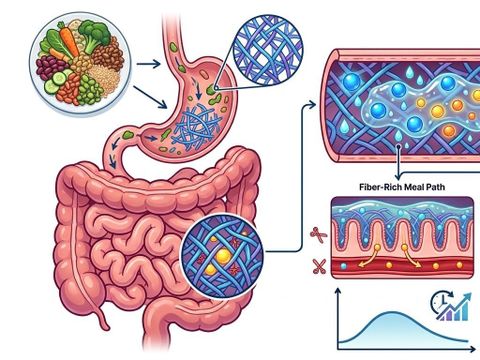
The primary causative agent of fungal infections within the gastrointestinal tract is the genus *Candida*, with *Candida albicans* being the most pathogenic species among them. Of the approximately 200 identified species of this yeast globally, only fifteen exhibit the capacity to induce disease in humans. *Candida* comprises unicellular, yeast-like microorganisms that reproduce through cellular division or budding. Under physiological conditions—in individuals with a well-balanced gut microbiome—their presence should not typically lead to pathological developments. Naturally, they colonize various regions of the human body, including the oral cavity, colon, vaginal mucosa, and skin, where they participate in metabolic processes such as carbohydrate fermentation under normal circumstances. However, when an imbalance occurs between the *C. albicans* population and other intestinal microorganisms, the result is intestinal candidiasis—a condition in which yeasts become the dominant component of the gut flora, displacing beneficial bacteria. Under favorable conditions (e.g., compromised immune response), *Candida* can proliferate uncontrollably, deviating from the norm and leading to a multitude of health complications. In a healthy individual, *Candida* constitutes merely 1–2% of the total microbiota; however, in cases of dysbiosis, its proportion may surge to as much as 60–70%. Such infections are predominantly endogenous in origin, though human-to-human transmission and nosocomial infections are also possible. Key factors contributing to the overgrowth of *Candida* include chronic antibiotic therapies (which eliminate not only pathogens but also beneficial bacteria), the use of immunosuppressive drugs, cytostatics, and glucocorticoids, hormonal contraception, a diet rich in refined sugars, trans fats, and dairy products, malabsorption syndromes, chronic stress, advanced age, disruption of the intestinal epithelial barrier, and comorbid conditions such as diabetes mellitus, AIDS, malignancies, bronchial asthma, or autoimmune disorders. Broad-spectrum antibiotics destroy not only harmful microorganisms but also those that support health, leading to dysbiosis and secondary *Candida* overgrowth. For this reason, probiotic supplementation—both during and after antibiotic treatment—is essential to restore microbial equilibrium. Under conducive conditions, *Candida albicans* spreads uncontrollably, damaging the intestinal mucosa, degrading villi, increasing gut wall permeability (which facilitates the translocation of food allergens into the bloodstream), and reducing the surface area available for nutrient absorption, as substantiated by extensive clinical research [1].
Systemic candidiasis: manifestations and physiological consequences in humans
Fungi of the *Candida albicans* species represent one of the most formidable microbial threats to human health, primarily due to their capacity to generate a diverse array of toxic metabolites. Of particular concern are neurotoxins, which disrupt central nervous system functionality, manifesting as emotional volatility, heightened anxiety, irritability, and depressive episodes of varying severity. Additionally, *C. albicans* synthesizes compounds structurally analogous to thyroid-stimulating hormone (TSH)—a critical regulator of thyroid activity—potentially inducing endocrine dysfunctions, including hypothyroidism. The toxins secreted by these yeasts also inflict damage upon immune cells, compromising defense mechanisms against viral, bacterial, and fungal infections, thereby fostering the development of multiorgan pathologies. Affected systems include the gastrointestinal tract (marked by malabsorption, acid reflux, bloating), the respiratory system (dyspnea, chronic inflammatory conditions), the reproductive system (genital infections, menstrual irregularities), and the integumentary system (dermatological eruptions, pruritus). While nonspecific, hallmark symptoms of systemic candidiasis encompass persistent fatigue, cognitive impairment, insomnia, migraine-like headaches, cardiac palpitations, chest tightness, hot flashes, weight fluctuations, ocular burning sensations, hypercholesterolemia, elevated uric acid levels, insulin resistance, micronutrient deficiencies (zinc, iron), cravings for simple carbohydrates, and gastrointestinal motility disorders. Prolonged intestinal colonization by *Candida* exacerbates mucosal barrier permeability („leaky gut syndrome“), facilitating the translocation of toxins and antigens into systemic circulation, thereby triggering cascades of inflammatory and autoimmune responses. Owing to the polymorphic nature of its clinical presentation, patients are frequently misdiagnosed by specialists across disciplines (e.g., cardiologists, gastroenterologists, endocrinologists) without addressing the underlying systemic etiology [2].
Comprehensive therapeutic management of intestinal candidiasis: dietary and supplementation strategies for microbiome balance restoration
The therapeutic management of intestinal candidiasis primarily focuses on restoring microbial equilibrium, facilitating systemic recovery, and addressing potential vitamin and mineral deficiencies. Treatment modalities integrate pharmaceutical agents, probiotic supplementation, and targeted dietary modifications. A cornerstone of intervention involves the exclusion of dietary components that serve as substrates for *Candida* overgrowth, including refined sugars, processed carbohydrates, high-lactose dairy, and yeast-fermented products. The anticandidal diet emphasizes nutrient-dense foods such as cruciferous vegetables, whole grains, lean proteins, and anti-inflammatory plant-based fats. Adjunctive supplementation with probiotics (e.g., *Lactobacillus plantarum*, *Saccharomyces cerevisiae var. boulardii*), prebiotics (e.g., chicory root fiber, GOS), and compounds with established antifungal properties (e.g., undecylenic acid, coconut oil-derived caprylic acid) enhances therapeutic outcomes. Untreated candidiasis may progress to dysbiosis, compromised intestinal barrier integrity („leaky gut syndrome“), and autoimmune sequelae, underscoring the necessity for prompt diagnosis and a multidisciplinary treatment approach.
Tags

Oliwia Kaczmarek
✓Diets Premium Expert
Diets Premium team expert. Specializes in nutrition plans, strength sports, and training plans.
View Profile →