Optimal Dietary Management of Hemorrhoids: Soluble Fiber Architecture, Hydration, and Phlebotropic Flavonoids

| Diets Premium Expert Sophia Williams | min read 3 min | Scientifically reviewed by a clinical dietitian 23.10.2026 |
Smart Voice
•Listen to the article content live
Hemorrhoidal disease represents one of the most prevalent proctological disorders, affecting upwards of 50% of adults. While often treated interventionally, its foundational pathology is driven by chronic constipation, hard stool transit, and elevated intra-abdominal pressure during defecation. Implementing targeted soluble fiber and vascular-protective nutrition provides prompt, enduring relief.
Want to apply these guidelines in your daily diet?
Our smart diet generator creates a tailored meal plan in 3 minutes based on the recommendations in this article.
Pathophysiology of Hemorrhoidal Cushions: Straining, Venous Congestion, and Connective Breakdown
Hemorrhoidal cushions are normal, highly vascularized subepithelial cavernous structures within the anal canal providing continence. Disease state emerges when these vascular bundles undergo pathological venous engorgement, vascular ectasia, and prolapse.
The primary pathogenic driver is prolonged mechanical straining during defecation: hard compacted fecal matter abrasively shears the fragile mucosal microvasculature (causing painless bright red bleeding), while high pelvic venous pressure attenuates Treitz's smooth muscle and Parks' ligaments, inducing progressive structural prolapse.
Fiber Optimization and Hydration Kinetics: Stool Softening Without Dyspeptic Bloating
Conservative medical management centers upon establishing a soft, formed, non-abrasive stool (Bristol Stool Scale Type 4):
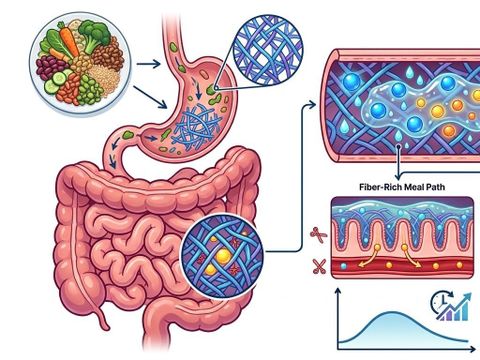
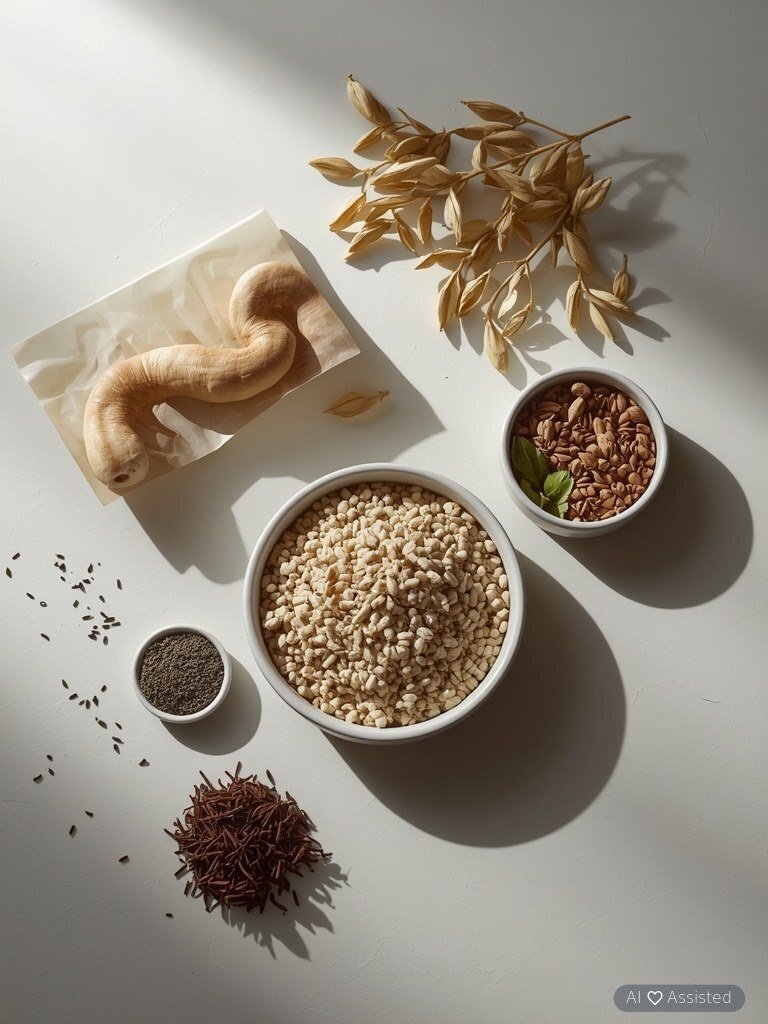
- Soluble viscous fiber: Psyllium husk (Plantago ovata) creates an expansive hydrophilic mucilaginous gel that increases stool mass, lubricating fecal transit through the rectal vault;
- Mandatory fluid hydration: Ingesting high-fiber loads without sufficient hydration (minimum 2.0–2.5 L daily) is counterproductive, forming hard desiccated fecal impactions that exacerbate straining;
- Graded titration: Fiber intake must be titrated progressively over 2–3 weeks toward 25–35 g daily to prevent microbial gas distension.
Phlebotropic Botanicals and Defecation Ergonomics: Flavonoids, Horse Chestnut, and Squatting Posture
Holistic proctological care combines nutrition with phlebotropic nutraceuticals and biomechanical ergonomics:
- Phlebotropic flavonoids: Micronized Purified Flavonoid Fraction (MPFF: diosmin and hesperidin) alongside horse chestnut escin (Aesculus hippocastanum) strengthen capillary integrity, lower venous capacitance, and suppress local inflammatory cytokines;
- Defecation biomechanics: Utilizing a toilet footstool to achieve an acute 35° anorectal angle (simulating natural squatting) straightens the puborectalis sling, permitting effortless expulsion;
- Eliminating smartphone toilet lingering: Sitting on the toilet seat beyond 3–5 minutes creates a dependent perineal vacuum, worsening hemorrhoidal venous engorgement.

Sophia Williams
✓Diets Premium Expert
Diets Premium team expert. Specializes in nutrition plans, strength sports, and training plans.
View Profile →