Comprehensive Guide to Pectin (E440): Health Benefits, Types, Safety, and Homemade Jam Preparation

| Diets Premium Expert Lena Bauer | min read 4 min | Scientifically reviewed by a clinical dietitian 23.10.2026 |
Smart Voice
•Listen to the article content live
Pectin (designated as food additive E440) is a naturally occurring structural heteropolysaccharide found in the primary cell walls of terrestrial plants and represents a premier fraction of soluble dietary fiber. Within the human gastrointestinal tract, pectin forms a viscous hydrogel that sequesters bile acids, lowers serum LDL cholesterol, blunts postprandial glycemic spikes, and serves as a fermentable prebiotic substrate for beneficial colonic bacteria. At the same time, its exceptional gelling capacity makes pure fruit pectin an indispensable ingredient for preparing low-sugar homemade jams and jellies.
Want to apply these guidelines in your daily diet?
Our smart diet generator creates a tailored meal plan in 3 minutes based on the recommendations in this article.
What Is Pectin (E440) and What Are Its Richest Natural Sources?
Chemically, pectin is a high-molecular-weight structural polysaccharide composed predominantly of alpha-1,4-linked D-galacturonic acid units partially esterified with methanol. Approved worldwide as a clean-label food additive (E440), it functions as a natural gelling agent, thickener, and colloidal stabilizer in fruit preserves, jellies, confectionery, and fermented dairy products.
Pectin concentrations vary markedly across botanical species and stages of fruit ripeness:
- High-pectin fruits: citrus peel and white pith/albedo (oranges, lemons, limes, and grapefruits—containing 20–30% pectin by dry weight), apple pomace (10–15% dry weight), quince, blackcurrants, redcurrants, gooseberries, damson plums, cranberries, and firm pears.
- Low-pectin soft fruits: strawberries, raspberries, sour and sweet cherries, blueberries, peaches, apricots, and pineapples—which require added powdered pectin or co-cooking with high-pectin fruit juice to achieve a firm gel set in homemade preserves.
Pectin – Health Benefits and Metabolic Mechanisms
Extensive clinical trials substantiate the multifaceted therapeutic benefits of dietary pectin across cardiometabolic health and gastrointestinal regulation (with optimal physiological effects observed at intakes of 10–15 g/day):
- Reduction of total and LDL cholesterol: within the small intestine, viscous pectin hydrogel binds bile acids and dietary cholesterol, increasing fecal sterol excretion and upregulating hepatic LDL receptors. In a landmark 16-week double-blind crossover trial at the University of Florida College of Medicine involving hypercholesterolemic volunteers at medium-to-high coronary risk, grapefruit pectin supplementation—without any diet or lifestyle modification—reduced plasma total cholesterol by 7.6% and LDL cholesterol by 10.8%.
- Glycemic control in type 2 diabetes: pectin increases chyme viscosity, delays gastric emptying, and slows glucose diffusion across the intestinal brush border. A clinical investigation published in the American Journal of Clinical Nutrition demonstrated that supplementing non-insulin-dependent type 2 diabetic patients with 20 g of apple pectin daily for one month significantly prolonged gastric emptying and improved postprandial glucose tolerance and hormonal responses.
- Satiety enhancement and weight management: clinical research conducted at Wageningen University in the Netherlands confirmed that pectin supplementation induces gastric distension, suppresses subjective hunger ratings, and curbs caloric intake at subsequent meals.
- Bowel habit normalization and prebiotic SCFA production: acting as an amphiphilic hydrocolloid, pectin softens hard stool in chronic constipation while binding excess luminal water and bacterial enterotoxins during acute or persistent diarrhea (as demonstrated in pediatric trials combining pectin or green banana with rice-based diets). In the colon, beneficial microbiota ferment pectin into short-chain fatty acids (butyrate, propionate, and acetate) that nourish colonocytes and fortify mucosal immunity.
Pectin – Types, Pricing, and Where to Buy
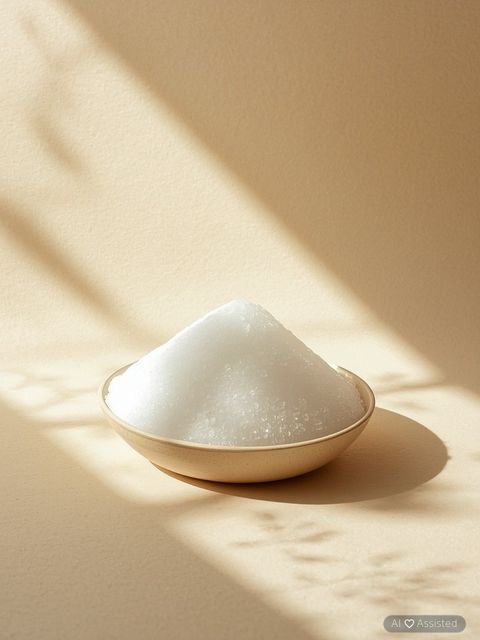
Retail food-grade pectin is commercially extracted from apple pomace or citrus peel and sold as a fine white to light-beige powder. Based on the degree of methyl esterification (DE), culinary pectins are categorized into two main functional types:
- High-methoxyl (HM) pectin (DE above 50%): forms thermo-irreversible gels only in the presence of high soluble solids (typically above 55–60% sugar) and a narrow acidic pH range (2.8–3.5), making it suited for traditional full-sugar preserves.
- Low-methoxyl (LM) and amidated pectin (DE below 50%): gels via ionic cross-linking with divalent calcium ions across a broad pH range (2.5–6.0) without requiring high sugar concentrations. Low-methoxyl amidated pectin is therefore the ideal choice for diabetic-friendly, low-calorie homemade jams sweetened with xylitol, erythritol, or stevia.
Pure apple or citrus pectin free of added dextrose and preservatives is widely available in health food stores, larger supermarkets, herbal pharmacies, and online retailers. A standard 30 g packet typically costs around 4–6 PLN (approx. 1.00–1.50 EUR), while a 100 g pouch ranges from 10 to 15 PLN (2.50–3.50 EUR).
Is Pectin Safe? Contraindications, Gut Tolerance, and Drug Interactions
Pectin is a natural plant polysaccharide recognized as completely safe for human consumption (holding FDA GRAS status and an EFSA/JECFA Acceptable Daily Intake of "not specified"). It is non-toxic and safe across all life stages, including pregnancy, lactation, childhood, and advanced age.
Nevertheless, two clinical precautions warrant attention when consuming concentrated pectin supplements:
- Pharmacokinetic interactions with oral medications: because viscous pectin hydrogel can physically entrap or adsorb drug molecules in the gastrointestinal lumen, concomitant intake may reduce the bioavailability and therapeutic efficacy of certain oral medications—notably cardiac glycosides (digoxin), HMG-CoA reductase inhibitors (lovastatin), tetracycline antibiotics, levothyroxine, and mineral supplements. To prevent malabsorption, take high-dose pectin supplements at least 2 to 4 hours apart from oral medications.
- Gastrointestinal adaptation and fluid intake: introducing large amounts of fermentable soluble fiber abruptly—particularly in patients with irritable bowel syndrome (IBS) or small intestinal bacterial overgrowth (SIBO)—may cause transient flatulence or abdominal distension. Dose titration should proceed gradually alongside adequate daily hydration (1.5–2.0 liters of water).
Pectin for Homemade Jams and Preserves – Culinary Guide
Pectin's innate capacity to form a three-dimensional hydrogel network in mildly acidic environments makes pure powdered pectin the healthiest culinary alternative to commercial "gelling sugars," which typically combine refined sucrose with chemical preservatives (such as potassium sorbate) and anti-foaming palm oil. Using pure amidated low-methoxyl pectin allows home cooks to craft vibrant fruit spreads, jams, and jellies with minimal added sugar or non-glycemic sweeteners like xylitol and erythritol.
Practical rules for making homemade jams with pure pectin:
- Dosage: use approximately 10–15 g of amidated fruit pectin per 1 kg of prepared fruit, depending on the natural pectin content of the fruit and desired firmness.
- Preventing clumping: whisk the dry pectin powder thoroughly with 2–3 tablespoons of sugar or erythritol (or disperse it rapidly in a small amount of hot water using a blender) before stirring it into the simmering fruit.
- Brief boiling and lemon juice activation: once added, boil the fruit mixture briskly for just 3–5 minutes and stir in 1–2 tablespoons of freshly squeezed lemon juice per kilogram of fruit to lower the pH and trigger gel cross-linking—preserving bright fruit color, fresh aroma, and heat-sensitive vitamins.

Lena Bauer
✓Diets Premium Expert
Diets Premium team expert. Specializes in nutrition plans, strength sports, and training plans.
View Profile →