Avocado seed – phytochemical profile, antioxidant properties, safety considerations (persin), and uses

| Diets Premium Expert Felix Weber | min read 5 min | Scientifically reviewed by a clinical dietitian 23.10.2026 |
Smart Voice
•Listen to the article content live
Avocado (Persea americana) is a highly prized fruit in clinical nutrition, renowned for its abundance of monounsaturated fatty acids (especially oleic acid), potassium, folate, and vitamin E. While its creamy pulp is a dietary staple, the large, hard central seed—accounting for 13–18% of the fruit’s total weight—is typically discarded. In recent years, the avocado seed has become the focus of intensive phytochemical research and nutritional debate.
Laboratory analyses demonstrate that avocado seeds contain concentrated reserves of polyphenols, proanthocyanidins, catechins, phytosterols, and dietary fiber. At the same time, food safety authorities (including EFSA and the German Federal Institute for Risk Assessment, BfR) highlight the presence of antinutrients, bitter tannins, and persin—a natural fungicidal toxin. When is using an avocado seed safe and beneficial, and what toxicological precautions must be observed?
Want to apply these guidelines in your daily diet?
Our smart diet generator creates a tailored meal plan in 3 minutes based on the recommendations in this article.
Avocado seed – chemical composition and antioxidant potential
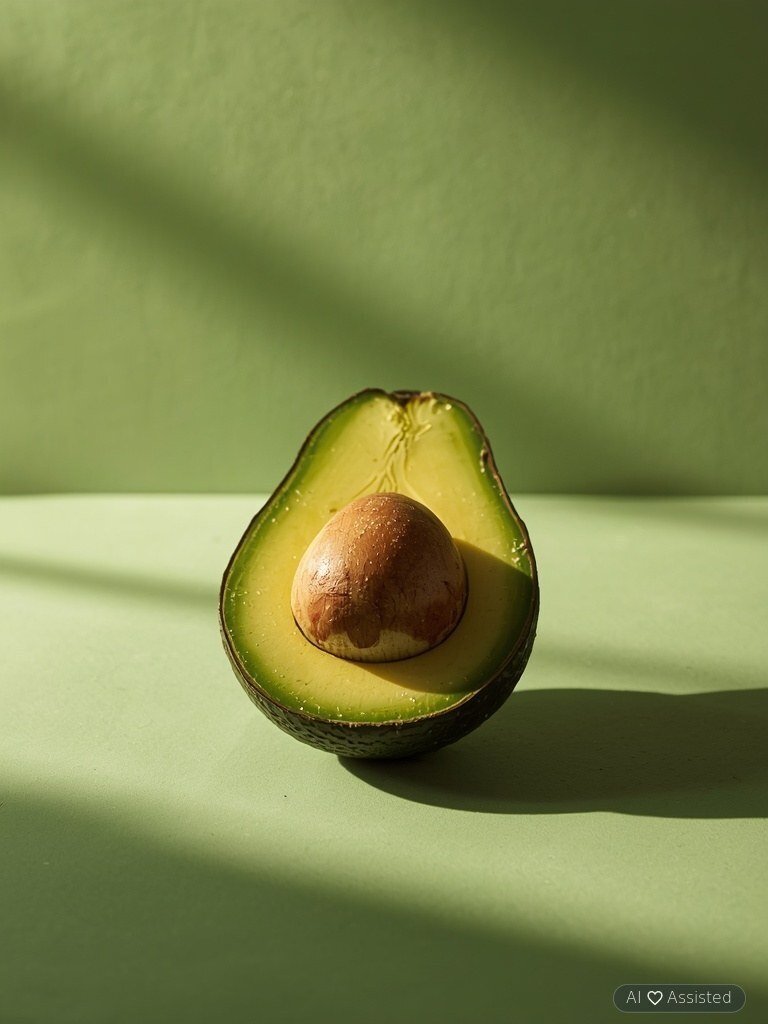
The avocado seed (the pit of Persea americana) consists of a thin seed coat surrounding two large, dense cotyledons. Biochemically, it serves as the plant’s primary reservoir of storage nutrients and defensive secondary metabolites. Spectrophotometric and chromatographic analyses indicate that avocado seed extracts exhibit remarkably high oxygen radical absorbance capacity (ORAC), containing a higher concentration of phenolic compounds than the edible pulp itself.
The primary bioactive classes identified in the avocado seed include:
- Polyphenols and flavonoids: including catechins, epicatechins, hydroxycinnamic acids (chlorogenic, caffeic, and ferulic acids), and procyanidins with potent free-radical scavenging activity.
- Phytosterols: predominantly beta-sitosterol, campesterol, and stigmasterol, which in experimental models compete with dietary cholesterol for micellar incorporation in the small intestine.
- Structural carbohydrates and starch: a substantial content of resistant starch alongside soluble and insoluble dietary fiber fractions.
- Minerals and trace lipids: moderate amounts of potassium, magnesium, and phosphorus, accompanied by trace tocopherols (vitamin E) and carotenoids.
Properties of avocado seed extracts in laboratory research
Most scientific reports regarding the biological effects of avocado seeds originate from in vitro cell culture assays and preclinical animal models utilizing purified aqueous or ethanolic seed extracts rather than raw ground seed powder.
Preclinical investigations have demonstrated several notable biological activities of isolated avocado seed fractions:
- Lipid-lowering and cardioprotective potential: beta-sitosterol, polyphenols, and soluble fiber fractions have been shown to reduce total and LDL cholesterol concentrations in experimental hypercholesterolemia models while protecting vascular endothelium against oxidative stress.
- Antimicrobial and antifungal activity: concentrated tannins and acetogenins inhibit the proliferation of selected pathogenic bacteria (such as Staphylococcus aureus and Escherichia coli) and Candida yeast strains under laboratory conditions.
- Anti-inflammatory modulation: polyphenolic extracts attenuate lipid peroxidation and downregulate pro-inflammatory signaling cascades.
From an evidence-based clinical standpoint, however, findings obtained with standardized extracts in animal models cannot be directly extrapolated to recommend the routine ingestion of raw ground avocado pits in humans.
Is the avocado seed toxic? Persin, tannins, and regulatory safety assessments
A central clinical question surrounding the avocado pit is its toxicological profile. The leaves, bark, skin, and seed of Persea americana contain persin (C23H40O4)—a lipophilic acetogenin derived from fatty acids that acts as a natural fungicidal and insecticidal defense compound.
Persin is highly toxic to domestic animals and livestock:
- Birds (e.g., parrots, canaries, poultry): are extremely sensitive to persin; ingestion rapidly induces respiratory distress, hydropericardium, myocardial necrosis, and death.
- Dogs, cats, rabbits, and horses: consuming avocado pits or skins causes acute gastrointestinal irritation (vomiting, diarrhea), non-infectious mastitis, and potential myocardial damage; furthermore, swallowed seed fragments pose a severe risk of mechanical intestinal obstruction.
What about human safety? While incidental intake of small amounts of avocado seed powder does not cause acute lethal toxicity in healthy adults, both the European Food Safety Authority (EFSA) and the German Federal Institute for Risk Assessment (BfR) emphasize that avocado seeds lack an established history of safe human consumption in the European Union and have not undergone comprehensive subchronic or chronic toxicological clearance. Moreover, high concentrations of astringent tannins, trypsin inhibitors, and trace cyanogenic glycosides in the raw seed can irritate the gastric mucosa, provoke nausea or constipation, and chelate dietary iron and proteins.
How to safely repurpose an avocado seed: cosmetics, natural dyeing, and home cultivation
Given the absence of comprehensive clinical safety data for the oral consumption of raw avocado pits, clinical nutritionists advise obtaining dietary nutrients from the edible avocado pulp while repurposing the seed externally in alignment with sustainable zero-waste practices.
Safe, practical ways to utilize an avocado seed include:
- Exfoliating body and foot scrub: after washing, peeling off the brown papery skin, and drying the seed, grate or grind it finely and blend with olive oil, sweet almond oil, or a gentle cleansing base. The natural granules exfoliate dead keratinocytes while surface polyphenols provide topical antioxidant support.
- Clarifying scalp and hair mask: combining finely ground seed powder with castor or coconut oil creates a stimulating pre-wash scalp treatment that helps remove excess sebum.
- Natural textile dye (dusty rose and terracotta): simmering halved avocado pits and skins in water releases natural tannins and polyphenolic pigments that dye cotton, linen, and silk fabrics a warm blush-pink hue.
- Indoor botanical propagation: suspending a cleaned avocado seed over a glass of water with toothpicks (broad base submerged) in a sunny window stimulates root and shoot germination within a few weeks, yielding an attractive houseplant.
Focusing on topical, craft, and horticultural applications captures the seed’s utility while avoiding gastrointestinal exposure to astringent tannins and unverified antinutrients.

mgr Felix Weber
✓Diets Premium Expert
Diets Premium team expert. Specializes in nutrition plans, strength sports, and training plans.
View Profile →