4 min read
Sitting – The Scourge of the 21st Century

Mia Hoffmann
✓
Diets Premium Expert • 25.09.2026
✓
Scientifically reviewed by a clinical dietitian:
This article has been peer-reviewed for adherence to IŻŻ, WHO, and PTGiP clinical nutritional standards.
| Diets Premium Expert Mia Hoffmann | min read 4 min | Scientifically reviewed by a clinical dietitian 25.09.2026 |

Smart Voice
•Listen to the article content live
0:00
/
0:00
Key Takeaways
Due to the progression of civilization, the sedentary way of life has dominated the day-to-day existence of most individuals. However, the human body is engineered for movement, so remaining in that position for an extended period can have detrimental effects on health and physical capabilities. Why is sitting perceived as the bane of the 21st century? What negative repercussions can result from an overly frequent use of the sitting position?
Meal Plan
Want to apply these guidelines in your daily diet?
Our smart diet generator creates a tailored meal plan in 3 minutes based on the recommendations in this article.
Long-term consequences of prolonged sitting on musculoskeletal integrity and optimal body alignment
When examining the multifaceted impact of sustained sitting on human bodily structure and function, it becomes imperative to establish a precise definition of "physiologically correct posture." Specialized literature distinguishes between two fundamental categories of posture: static posture, which pertains to a fixed bodily position in space, and dynamic posture, which accounts for adaptive adjustments during movement. Comprehending this classification serves as the foundation for assessing how prolonged sitting alters spinal biomechanics and joint loading patterns.
Motion and Rest: The Dynamics of Proper Body Posture Across Daily Life Situations
Body posture represents a complex system that demands attention during both physical activity—such as walking, performing household chores, shopping, or engaging in exercise—and periods of rest, including sitting, lying down, or standing. A common misconception is that proper posture is solely defined by maintaining an upright stance while standing or seated. However, this perspective is overly simplistic and does not fully align with biomechanical principles. The critical factor lies in consciously developing movement patterns, including determining which muscle groups should be engaged in specific positions and which should remain relaxed. Without this awareness, even routine activities can result in chronic overuse injuries. The foundation of prevention, therefore, involves learning correct movement mechanics, ensuring joint mobility, core stabilization, adequate muscular strength, and balanced fascial tension. Only a comprehensive approach enables the maintenance of optimal posture regardless of the context. The initial step must always be a thorough assessment of static posture—if irregularities are present at this stage, every dynamic movement will be compromised by compensatory errors, potentially leading to functional impairments and pain over time.
Optimal body posture: fundamental guidelines for maintaining musculoskeletal health
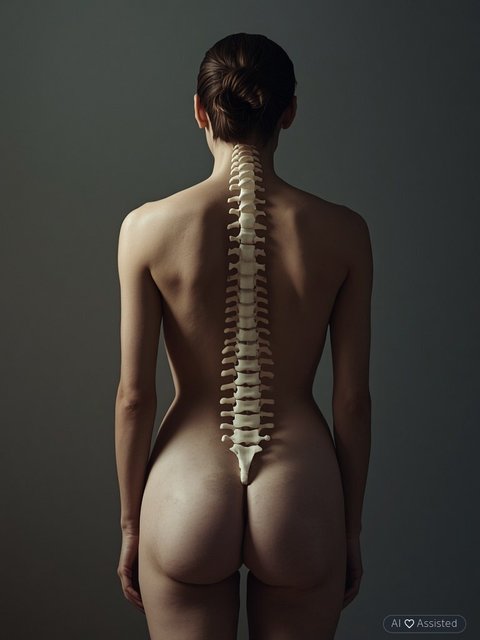
Maintaining proper body posture is of paramount importance not only for aesthetic reasons but, more critically, for preserving musculoskeletal health and preventing pain, injuries, and overuse syndromes. An anatomically correct stance is defined by a neutral spinal alignment that respects the physiological curves—namely, the cervical and lumbar lordosis as well as the thoracic kyphosis—without flattening or exaggerating them. The head should be centered directly above the clavicles, with the shoulders aligned horizontally with the hips. Furthermore, the pelvis must be stabilized over the ankle joints to ensure balanced weight distribution across the lower limbs. Adherence to these biomechanical principles minimizes the strain on muscles, ligaments, and joints while facilitating efficient, injury-free movement during daily activities and physical exertion.
Health repercussions of suboptimal seated posture: from spinal discomfort to respiratory and metabolic dysfunctions
Prolonged maintenance of an improper seated posture—marked by forward head protrusion, rounded shoulders, and an exaggerated thoracic kyphosis coupled with reduced lumbar lordosis—imposes excessive mechanical stress on spinal structures. Over time, these aberrant loading patterns contribute to musculoskeletal pain, soft tissue tension, restricted joint mobility, and in severe cases may precipitate microtrauma or overuse injuries. Individuals exhibiting such postural deviations frequently develop dysfunctional breathing patterns, characterized by predominant upper-chest respiration at the expense of diaphragmatic engagement. This maladaptation reduces diaphragmatic tone, impairs its kinematic function, and—when sustained over years—may lead to significant systemic complications, including cardiac arrhythmias due to diminished venous return, chronic tissue hypoxia, and even phrenic nerve neuropathy (as evidenced by Albarrati’s 2018 research). Equally concerning is the association between sedentary behavior and metabolic dysregulation. Those who spend most of their day seated tend to exhibit lowered basal metabolic rates and diminished daily energy expenditure from physical activity. The World Health Organization (WHO) advises counteracting these effects through structured moderate-intensity exercise (150–300 minutes weekly) or vigorous activity (75–150 minutes), supplemented by resistance training at least twice weekly. Of equal importance is the augmentation of non-exercise activity thermogenesis (NEAT)—encompassing all incidental movements such as walking, stair climbing, household chores, or gardening—which cumulatively can substantially elevate total caloric expenditure.
Practical strategies to mitigate the adverse health impacts of prolonged sitting: Evidence-based recommendations for spinal and musculoskeletal well-being
While the most effective intervention remains reducing overall sedentary time—a challenge in today’s office-centric and digitized lifestyles—health professionals emphasize the critical importance of implementing brief yet consistent movement breaks. Research suggests taking at least one interruption per hour to stand, perform dynamic stretches, and engage in light mobility exercises. Equally vital is the integration of additional physical activity throughout the day through deliberate choices: opting for stair climbing over elevator use, prioritizing walking for errands, parking vehicles at a distance from destinations, or using phone conversations as opportunities for short indoor walks. Though seemingly minor, these behavioral adjustments can substantially alleviate spinal compression and enhance circulation. Complementary to these habits is the adoption of structured exercise regimens—such as brisk walking, cycling, swimming, or resistance training—which collectively strengthen postural muscles, improve joint flexibility, and confer sustained benefits to the musculoskeletal system over time.
Comprehensive overview of essential elements concerning healthy sitting posture and its physiological consequences
Prolonged sitting has emerged as one of the most significant public health challenges of contemporary society, contributing to a myriad of musculoskeletal dysfunctions. Achieving an anatomically sound seated posture necessitates the preservation of the spine’s natural curvatures—including the lumbar lordosis, thoracic kyphosis, and cervical lordosis—to ensure balanced biomechanical load distribution. The head must remain aligned vertically, positioned directly above the clavicles, while the shoulder girdle should maintain strict horizontal alignment with the pelvic crest to prevent compensatory muscle tension. The pelvis, in turn, should be stabilized in a neutral orientation, with the acetabular sockets positioned precisely over the ankle joints, thereby reducing undue stress on articular structures. A structured reduction in sedentary behavior, supplemented by consistent moderate-intensity physical activity, constitutes a cornerstone in the prevention of civilization-related disorders such as spinal pain syndromes, intervertebral disc herniations, and postural deformities.
Tags

Mia Hoffmann
✓Diets Premium Expert
Diets Premium team expert. Specializes in nutrition plans, strength sports, and training plans.
View Profile →