Fermented sour pickles versus vinegar-pickled cucumbers: A comparative nutritional and clinical health analysis

| Diets Premium Expert Max Müller | min read 5 min | Scientifically reviewed by a clinical dietitian 23.10.2026 |
Smart Voice
•Listen to the article content live
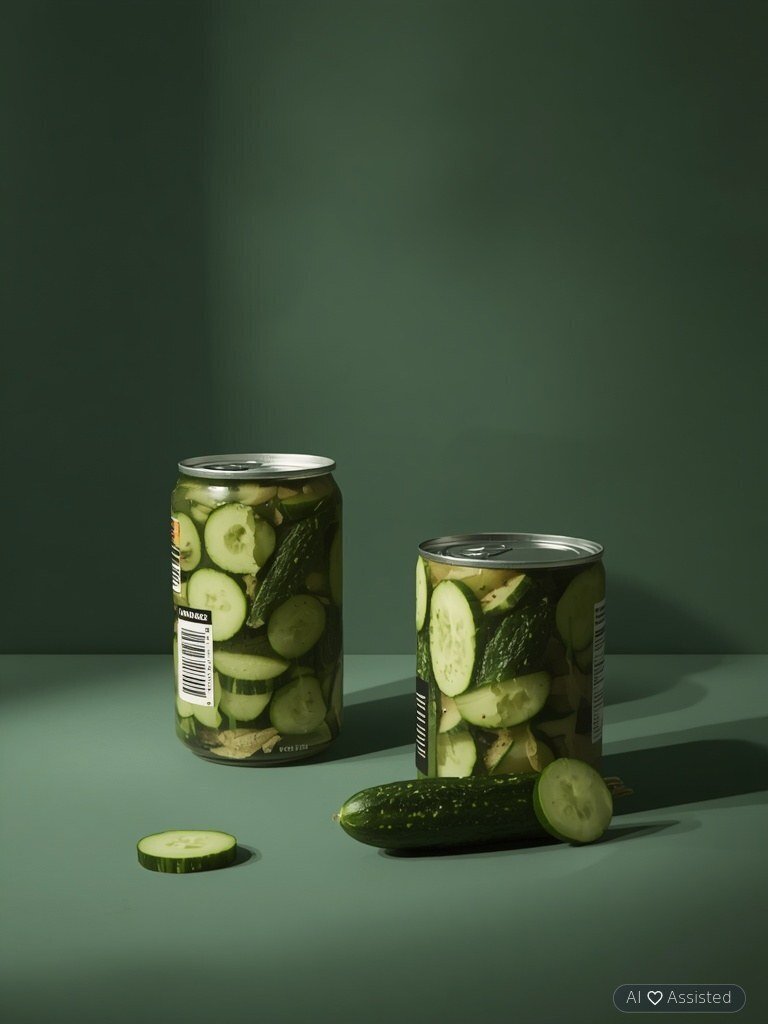
Both lacto-fermented sour pickles and vinegar-canned pickles (cornichons) hold prominent positions in culinary culture, yet they represent fundamentally distinct foods in terms of manufacturing technology, biochemical makeup, and metabolic impact. Fermented pickles arise from live spontaneous lactic acid fermentation, whereas canned pickles rely on hot acetic acid and sucrose marinades followed by thermal pasteurization. Contrasting these preparations clarifies their respective places in clinical dietetics.
Want to apply these guidelines in your daily diet?
Our smart diet generator creates a tailored meal plan in 3 minutes based on the recommendations in this article.
Lacto-fermented pickles: Characteristics and benefits of living fermentation
Fermented pickles bypass thermal pasteurization, retaining robust populations of viable probiotic Lactobacillus cultures. Lactic acid is biosynthesized naturally from vegetable sugars, yielding a functional food devoid of added refined sucrose or commercial spirit vinegar. These live pickles nourish the intestinal microbiome, reinforce mucosal barrier integrity, and facilitate digestive comfort alongside dense protein meals.
Vinegar-canned pickles: Acetic acid marinades, sugar content, and pasteurization
Vinegar-canned pickles owe their sweet-and-sour profile to a marinade formulated with commercial distilled vinegar, water, table sugar, and pickling spices (mustard seed, allspice, bay leaf). Thermal pasteurization (heating above 75–85°C) eliminates all microorganisms; while ensuring long shelf life, this thermal processing inactivates all probiotic flora. The added sugar elevates caloric density, and concentrated acetic acid may provoke gastric irritation in individuals with acid reflux.
Culinary versatility and pairing strategies in balanced nutrition
Both preparations enjoy celebrated culinary roles. Fermented pickles are quintessential in traditional sour cucumber soups, hearty stews, beef tartare, and robust roasts. Crisp vinegar cornichons excel in gourmet burgers, potato and egg salads, charcuterie boards, and cocktail platters, contributing a bright, sweet-and-tangy contrast that cuts through rich flavors.
Nutritional comparison: Lactic versus acetic acid, sodium, and sugar loads
From a metabolic perspective, fermented pickles are superior due to zero added sugar (approx. 11 kcal/100 g versus 25–40 kcal/100 g in vinegar-canned pickles) and rich vitamin K/lactic acid content. Conversely, commercial vinegar pickles often contain somewhat less sodium, which may interest strictly salt-restricted hypertensive patients. For diabetic and fat-loss protocols, lacto-fermented pickles remain the clear clinical frontrunner due to their zero glycemic impact.
Master recipe for authentic lacto-fermented cucumbers
Ingredients: 2 kg firm pickling cucumbers, 2 liters fresh water, 2 rounded tablespoons non-iodized rock salt, 1 whole garlic bulb (cloves peeled and crushed), 1 large horseradish root, fresh flowering dill umbels, and optional oak or currant leaves. Pack cucumbers upright and tightly into sterilized jars with aromatics. Submerge under boiling or hot saline brine, seal lids, and maintain at room temperature for 3–5 days before transferring to a cool cellar.
Classic recipe for crisp vinegar-canned pickles
Marinade ingredients: 4 cups water, 1 cup distilled white vinegar (10%) or apple cider vinegar, 1 cup sugar, 2 tablespoons salt. Aromatics per jar: yellow mustard seeds, whole allspice berries, bay leaves, carrot rounds, and onion slices. Pack cucumbers tightly with spices, pour simmering vinegar marinade over them, seal hermetically, and pasteurize in a simmering water bath at 80–85°C for 7–10 minutes (strictly avoiding overcooking to preserve snap). Store in a cool pantry.
Tags

mgr Max Müller
✓Diets Premium Expert
Diets Premium team expert. Specializes in nutrition plans, strength sports, and training plans.
View Profile →