Currants: More Than a Summer Snack – Health Benefits, Nutritional Value, and Culinary Uses

| Diets Premium Expert Kacper Nowak | min read 4 min | Scientifically reviewed by a clinical dietitian 23.10.2026 |
Smart Voice
•Listen to the article content live
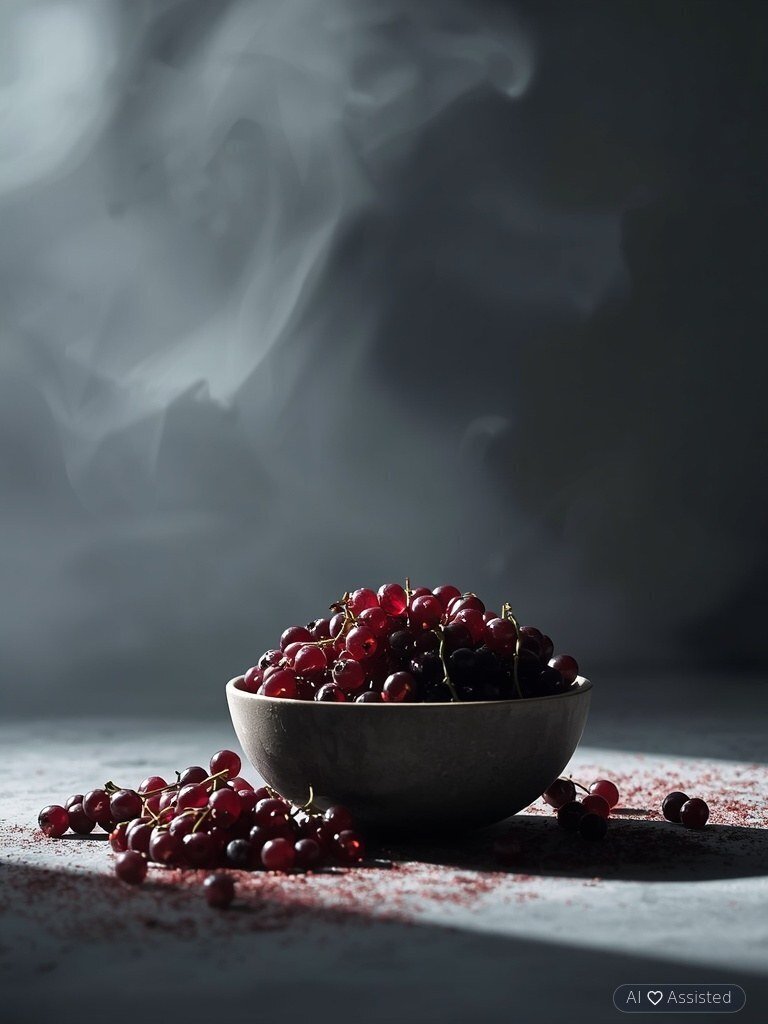
Currants rank among the most nutrient-dense berry crops native to temperate climates. While frequently regarded as a casual seasonal garnish or light summer snack, their extraordinary biochemical composition firmly establishes them as functional superfoods. Packed with L-ascorbic acid, polyphenols, anthocyanins, and dietary fiber, they exert multifaceted protective effects on cardiovascular function, immune response, and dermatological integrity. Incorporating fresh and culinary preparations of currants into regular meal planning delivers concentrated antioxidant defenses that neutralize reactive oxygen species and curb cellular senescence.
Want to apply these guidelines in your daily diet?
Our smart diet generator creates a tailored meal plan in 3 minutes based on the recommendations in this article.
Currant Harvesting Season: Ripeness, Cultivation, and Fresh Consumption
The peak harvesting window for currants spans from late June through late July, dictated by local microclimates and solar irradiance. The sensory quality and concentration of bioactive phytochemicals reach their optimum when clusters are harvested at peak physiological ripeness and consumed without delay. Shrubs of the genus Ribes tolerate temperate frost well and thrive across diverse soils, making them a staple in home orchards and commercial berry farms. Because prolonged heat exposure degrades thermolabile compounds like vitamin C, consuming freshly harvested raw currants yields the highest therapeutic and nutritional density.
Botanical Varieties of Currants: Black, Red, and White
The botanical genus comprises over 150 species, with three distinct color variants dominating human culinary and clinical nutrition: black currants (Ribes nigrum), red currants (Ribes rubrum), and white currants (an albino cultivar of the red species). Poland stands as one of the world's premier commercial producers. Black currants are renowned for their astringent, robust flavor and unrivaled concentrations of anthocyanins and vitamin C. Red currants provide crisp acidity suited for refreshing beverages and gelled preparations, whereas white currants feature a subtler, sweeter profile enriched with bioavailable potassium, iron, and zinc.
Cardiovascular and Metabolic Health Benefits of Currants
The abundant polyphenolic matrix and organic acid content endow currants with substantial cardioprotective and metabolic properties. Anthocyanins reinforce capillary integrity, attenuate LDL oxidation, and enhance endothelial nitric oxide synthesis, aiding blood pressure regulation and mitigating atherogenesis. Mild diuretic and diaphoretic effects assist in systemic clearance of uric acid and metabolic wastes, offering clinical utility in kidney stone prevention and gout management. Moreover, the organic acids stimulate gastric secretions, normalize intestinal motility, and downregulate inflammatory mediators by inhibiting enzymes like cyclooxygenase.
Nutrient Profile: Vitamin C Density, Minerals, and Polyphenols
Black currants represent one of the richest botanical reservoirs of vitamin C, delivering approximately 150 to 200 mg of ascorbic acid per 100 grams—over three times the density found in citrus fruits. Furthermore, they supply essential B-complex vitamins, tocopherols (vitamin E), provitamin A carotenoids, and phylloquinone (vitamin K). The mineral matrix features substantial concentrations of bioavailable potassium (approx. 300 mg/100 g), calcium, magnesium, iron, and manganese. Pectin fibers and fruit acids (citric and malic) work in concert with flavonols such as quercetin and myricetin to scavenge free radicals and preserve cellular DNA integrity.
Dermatological Benefits: Collagen Synthesis and Anti-Aging
Owing to concentrated ascorbic acid and polyphenol reserves, currants serve as vital nutritional cofactors in stimulating endogenous collagen and elastin synthesis, directly enhancing skin firmness and elasticity. Vitamin C acts as an obligatory electron donor in the enzymatic hydroxylation of proline and lysine during procollagen assembly. Furthermore, currant seed lipids supply gamma-linolenic acid (GLA), which repairs the epidermal lipid barrier, mitigates inflammatory flares in acne vulgaris and atopic dermatitis, and accelerates tissue re-epithelialization. Regular dietary intake enhances capillary dermal perfusion and improves skin radiance.
Nutritious Currant Smoothie: Recipe and Dietary Benefits
A fresh currant smoothie offers a fast and highly bioavailable format for delivering concentrated antioxidants. Ingredients for two servings: 1 cup of fresh red or black currants, 1 ripe banana, 1 cup of milk (1.5% cow's milk or calcium-fortified soy/almond beverage), and a handful of fresh baby spinach leaves. Wash the berries and greens, peel the banana, and blend thoroughly until reaching a creamy consistency. This beverage provides bioavailable potassium, magnesium, non-heme iron, and vitamins, while the synergy between fruit carbohydrates and milk proteins forms an ideal post-workout refresher or balanced mid-morning meal.
Blackcurrant Preserves: Homemade Jam and Nutritional Value
Preserving black currants allows home cooks to retain therapeutic polyphenols and soluble pectins for off-season autumn and winter consumption. For a reduced-sugar home preserve, combine 1 kg of sorted, washed black currants with 300–400 g of unrefined sugar or xylitol. Simmer over gentle heat in a heavy-bottomed pot for 45 to 60 minutes, stirring continuously as the fruit's natural pectin matrix thickens the preserve. Transfer the hot mixture into sterilized jars, seal tightly, and pasteurize in a water bath for 15 minutes. While boiling diminishes vitamin C by 20–30%, the heat-stable anthocyanins and minerals remain largely intact.
Summary and Dietary Recommendations
Currants—most notably the black variety—constitute an exceptional category of berry fruits in functional human nutrition. Their remarkable convergence of L-ascorbic acid, dense anthocyanins, and bioavailable minerals confers robust support for endothelial health, immune resilience, and cellular repair. Nutritionists recommend enjoying them fresh during peak harvest season and utilizing blast-frozen berries or low-sugar preserves year-round. Integrating a daily handful of currants into breakfast bowls, smoothies, or salads represents an accessible, evidence-backed strategy for long-term health optimization.

Kacper Nowak
✓Diets Premium Expert
Diets Premium team expert. Specializes in nutrition plans, strength sports, and training plans.
View Profile →