Alder Buckthorn Bark (Frangula alnus): Pharmacology, Anthranoids, and Clinical Evaluation in Weight Loss

| Diets Premium Expert Wojciech Wiśniewski | min read 4 min | Scientifically reviewed by a clinical dietitian 23.10.2026 |
Smart Voice
•Listen to the article content live
Alder buckthorn bark (Frangula alnus, syn. Rhamnus frangula; pharmaceutical grade: Frangulae cortex) represents one of the most prominent anthranoid-containing botanical drugs in clinical phytotherapy. Its potent laxative action derives from glucofrangulins and frangulins that undergo colonic bacterial bioactivation. Despite frequent commercial exploitation in over-the-counter "slimming teas", stimulant laxatives do not promote adipose tissue loss. This article provides a comprehensive pharmacological review of its active metabolites, mandatory aging protocols, adverse reaction profiles, and rational clinical applications.
Want to apply these guidelines in your daily diet?
Our smart diet generator creates a tailored meal plan in 3 minutes based on the recommendations in this article.
Botanical Characteristics and Ecological Distribution of Frangula alnus
Alder buckthorn (Frangula alnus) is a deciduous, thornless shrub classified within the Rhamnaceae family:
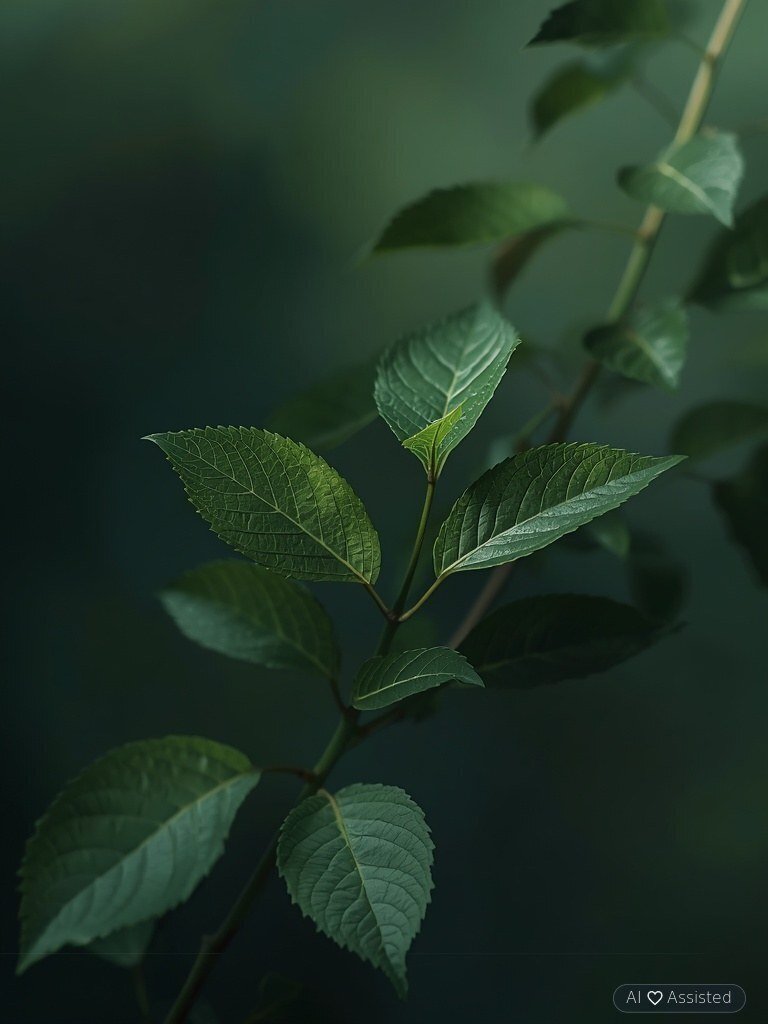
- Morphological Features: Grows between 3 and 7 meters tall with smooth, dark bark speckled with whitish lenticels, obovate leaves featuring pronounced parallel lateral veins, and modest greenish-white flowers blooming from May through July.
- Fruiting Habits: Produces small globose drupes that transition asynchronously from green to deep red, ripening into toxic purplish-black berries by late summer.
- Habitat: Native to damp woodlands, marsh margins, and moorlands across continental Europe, Western Asia, and Northern Africa.
- Official Herbal Drug: Pharmacopeias specify Frangulae cortex, the dried young bark harvested from trunks and branches during spring sap ascent.
Toxicology of Fresh Bark: The Critical Necessity of Aging or Heat Treatment
Freshly collected alder buckthorn bark exhibits severe gastrointestinal toxicity if consumed raw:
- Monomeric Free Anthrones: Freshly harvested bark is rich in reduced anthrone and dianthrone congeners. These compounds directly irritate gastric mucosal membranes, precipitating severe nausea, violent emesis, and acute gastrointestinal spasms.
- Obligatory Aging Protocol: Official monographs (European Pharmacopoeia) mandate that raw bark must be aged for a minimum of one full year in dry conditions, or subjected to accelerated thermal oxidation in a drying oven at 100°C for several hours.
- Oxidative Transformation: Aging catalyzes the spontaneous oxidation of irritating free anthrones into gentler anthraquinone diglycosides (principally glucofrangulins A and B). This biochemical transformation renders the drug medically safe for standardized colonic activation.
Colonic Mechanism of Action: Microbiome Bioactivation and Secretagogue Dynamics
Anthraquinone laxatives function via a sophisticated microbiological prodrug cascade:
- Gastric Passage: Glucofrangulins resist upper gastrointestinal enzymatic cleavage and gastric acid hydrolysis, bypassing small intestinal absorption virtually unchanged.
- Microbiome Bioactivation: Upon reaching the cecum and colon, native bacterial glycosidases cleave the sugar moieties, liberating emodin-9-anthrone, the true active secretagogue metabolite.
- Dual Mode of Action: Emodin-9-anthrone reversibly inhibits basolateral Na+/K+-ATPase pumps, blocking active water and electrolyte reabsorption. Simultaneously, it induces active prostaglandin-mediated secretion of chloride and water into the lumen while accelerating colonic mass transit peristalsis.
- Pharmacological Latency: The cascade requires 8 to 12 hours from ingestion to clinical defecation, making bedtime administration optimal.
The Weight Loss Fallacy: Why Stimulant Laxatives Do Not Oxidize Adipose Tissue
Alder buckthorn is widely misused in commercial cleansing and slimming formulations:
- Dehydration vs. Adipocyte Loss: Acute weight reduction observed following laxative intake reflects fluid loss, colonic evacuation, and systemic dehydration, rather than true adipose lipolysis.
- Intestinal Site of Action: Dietary calorie absorption takes place predominantly in the duodenum and jejunum. Because anthranoids exert pharmacodynamic action exclusively in the distal colon, caloric bioavailability is virtually unaffected.
- The Illusion of Progress: Post-defecatory weight loss is transient; rehydration immediately restores baseline body mass. Utilizing stimulant laxatives for cosmetic weight management fosters metabolic and electrolyte vulnerabilities without impacting body composition.
Hazards of Chronic Use: Hypokalemia, Pseudomelanosis Coli, and Intestinal Atony
Chronic dependence on anthranoid laxatives introduces substantial clinical risks:
- Strict Duration Cap: European Medicines Agency (EMA) monographs strictly restrict self-medication with anthranoid herbs to 1–2 consecutive weeks maximum.
- Hypokalemic Vicious Cycle: Chronic hyper-evacuation depletes systemic potassium. Hypokalemia impairs intestinal smooth muscle contractility, inducing severe rebound constipation and secondary intestinal atony.
- Pseudomelanosis Coli: Prolonged administration triggers apoptosis of colonic epithelial cells, phagocytosed by macrophages into dark lipofuscin-like pigment within the lamina propria.
- Absolute Contraindications: Intestinal obstruction (ileus), acute inflammatory bowel diseases (Crohn's, ulcerative colitis), appendicitis, unexplained abdominal pain, dehydration with electrolyte depletion, pregnancy, lactation, and pediatric use under 12 years.
Preparation, Dosage Protocols, and Evidence-Based Phytotherapy Guidelines
To ensure safe and targeted short-term relief of acute episodic constipation:
- Decoction Preparation: Combine 1 teaspoon (~1.5–2 g) of standardized dried bark with 200 ml of cold water, bring to a boil, and simmer gently for 10–15 minutes before straining.
- Clinical Administration: Ingest one warm cup in the evening before sleep. The clinically recommended dose is the smallest amount required to produce a soft, formed stool.
- Carminative Adjuvants: Pharmaceutical tea blends frequently combine buckthorn bark with carminative botanicals (such as fennel, caraway, or chamomile) to attenuate spastic abdominal sensations.
- Safety Summary: Alder buckthorn remains an effective second-line phytotherapeutic agent for acute obstipation, provided it is strictly confined to short-term intervention and never abused for weight control.
It's a common price, where to buy it

Wojciech Wiśniewski
✓Diets Premium Expert
Diets Premium team expert. Specializes in nutrition plans, strength sports, and training plans.
View Profile →