2 min read
Exotic Buddha's Hand Citrus: Properties, Culinary Uses, and Cultural Significance

Tomasz Jankowski
✓
Diets Premium Expert • 23.10.2026
✓
Scientifically reviewed by a clinical dietitian:
This article has been peer-reviewed for adherence to IŻŻ, WHO, and PTGiP clinical nutritional standards.
| Diets Premium Expert Tomasz Jankowski | min read 2 min | Scientifically reviewed by a clinical dietitian 23.10.2026 |
Smart Voice
•Listen to the article content live
0:00
/
0:00
Key Takeaways
Buddha's hand (Citrus medica var. sarcodactylis) is one of the most distinctive citrus varieties in the world. Renowned for its fingered shape, intense fragrance, and lack of juicy pulp, this fruit holds rich culinary, aromatic, and cultural significance.
Meal Plan
Want to apply these guidelines in your daily diet?
Our smart diet generator creates a tailored meal plan in 3 minutes based on the recommendations in this article.
Origin and Unique Morphology of Buddha's Hand
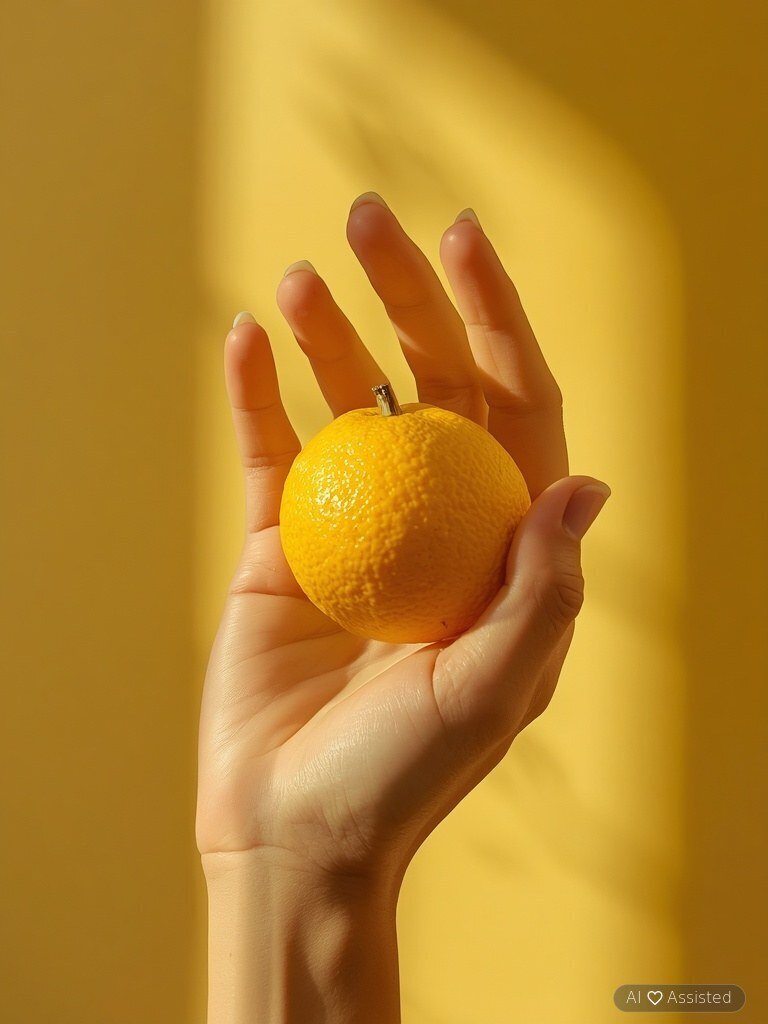
Buddha's hand (Citrus medica var. sarcodactylis) belongs to the Rutaceae family and originates from northeastern India and the Yangtze River valley in China. It is among the oldest citrus fruits cultivated by humans. Unlike standard lemons or oranges, this fruit does not produce juicy pulp segments or seeds; instead, its carpels separate into elongated, finger-like projections resembling hands folded in prayer. Fruits can reach up to 30 cm in length and weigh over 2 kg. The vibrant yellow zest and thick white inner albedo constitute more than 70% of the fruit and are remarkably free from bitter compounds.
Bioactive Compounds, Essential Oils, and Health Benefits
The distinctive fragrance of Buddha's hand is due to high concentrations of volatile essential oils concentrated in its outer flavedo. Dominant compounds include limonene, linalool, geranyl acetate, and citral. The fruit is also rich in bioflavonoids like diosmin and hesperidin, which strengthen capillaries, support microcirculation, and provide potent antioxidant protection. These compounds actively neutralize reactive oxygen species, protecting cells from oxidative stress. In aromatherapy, inhaling the fruit's natural terpenes offers mild calming effects, reduces mental tension, and enhances focus.
Culinary Applications: Candying, Liqueurs, and Gastronomic Flavoring
Because Buddha's hand lacks sour juice, its culinary value lies within its aromatic zest and tender, non-bitter albedo. Sliced thinly, it is prized for candying in sugar syrup, making a gourmet garnish for baked goods, pastries, and artisanal confectionery. In Corsica and Italy, the zest is traditionally macerated into the celebrated liqueur Cedratine and premium spirits. Finely grated fresh zest also serves as an exquisite seasoning for seafood, poultry marinades, and fresh salads, imparting complex floral and citrus notes without unwanted acidity.
Traditional Asian Medicine and Cultural Symbolism
In Traditional Chinese Medicine (TCM), Buddha's hand is known as Fo Shou and has been utilized for centuries to harmonize liver and spleen Qi, soothe chest discomfort, and resolve stubborn phlegm. In Chinese and Japanese traditions, the fruit represents good fortune, longevity, and wealth. Consequently, it is frequently placed near domestic shrines, business counters, or stored valuables as an auspicious token. Due to its enduring, refreshing fragrance, whole fruits are also traditionally used as natural room and linen fresheners.

mgr Tomasz Jankowski
✓Diets Premium Expert
Diets Premium team expert. Specializes in nutrition plans, strength sports, and training plans.
View Profile →