Fighting the common cold - the curative power of fermented cabbage, parsley, and hawthorn

Olivia Davis
✓
Diets Premium Expert • 24.09.2026
✓
Scientifically reviewed by a clinical dietitian:
This article has been peer-reviewed for adherence to IŻŻ, WHO, and PTGiP clinical nutritional standards.
| Diets Premium Expert Olivia Davis | min read 7 min | Scientifically reviewed by a clinical dietitian 24.09.2026 |
Smart Voice
•Listen to the article content live
0:00
/
0:00
Key Takeaways
The winter season approaches, the time with the highest frequency of colds and flu. Our immunity weakens, and frequent temperature changes promote diseases. We transition from heated homes, offices, and cars to cold, windy surroundings, often with unpleasant showers. Almost everyone now has to cope with catarrh, cough, shivering, and fever.
Meal Plan
Want to apply these guidelines in your daily diet?
Our smart diet generator creates a tailored meal plan in 3 minutes based on the recommendations in this article.
PRO Content
PRO
This article is professional premium content (PRO) provided in its entirety.
Fermented Cabbage as a Natural Immune-Boosting Remedy for the Autumn-Winter Season
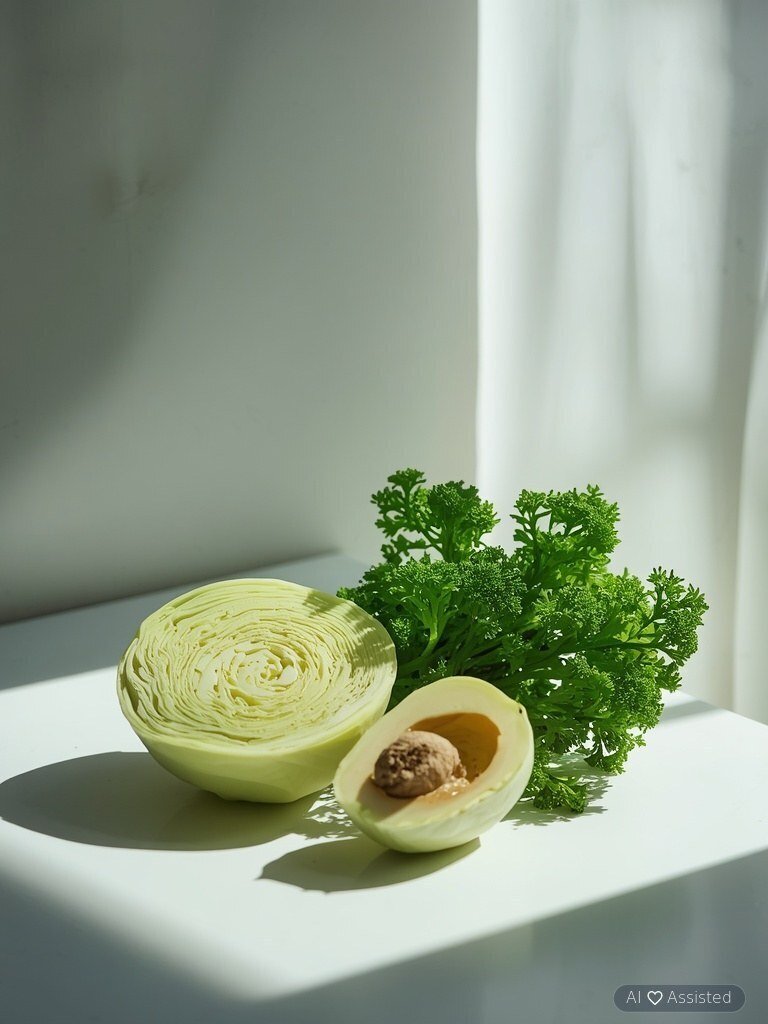
For centuries, fermented cabbage has been revered for its medicinal properties, playing a pivotal role in traditional diets—particularly during seasons prone to viral infections. The autumnal ritual of cabbage fermentation served not only as a food preservation method but also as a strategic means of ensuring nutrient intake when fresh produce was scarce. This probiotic-rich food, remarkably low in calories (a mere 11 kcal per 100 g), constitutes a dense source of vitamins A, K, and the B complex, alongside essential minerals such as iron, magnesium, calcium, and sodium. Yet what renders it indispensable in cold prevention? The answer lies in its unique bioactive composition, which not only fortifies immune defenses but also modulates the body’s thermoregulatory processes. This article explores the scientifically validated benefits of regular fermented cabbage consumption—from supporting collagen synthesis through its high vitamin C content (16 mg per 100 g) to its antioxidant properties that mitigate skin aging. Practical guidance on incorporating this superfood into daily meals will also be provided, including considerations for individuals with sensitive digestive systems.
The extraordinary immune-boosting properties of parsley in combating seasonal infections
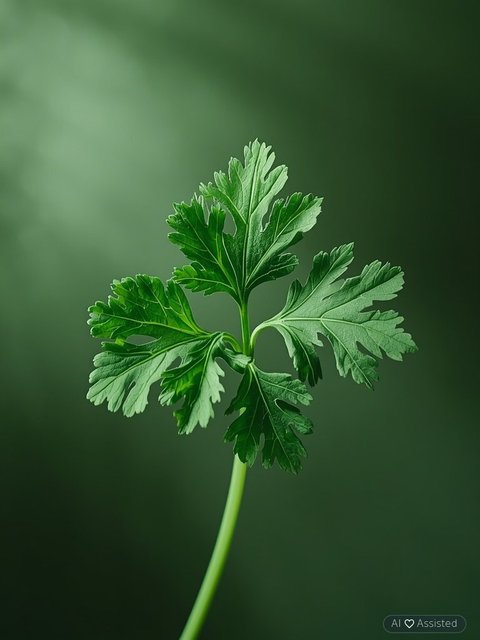
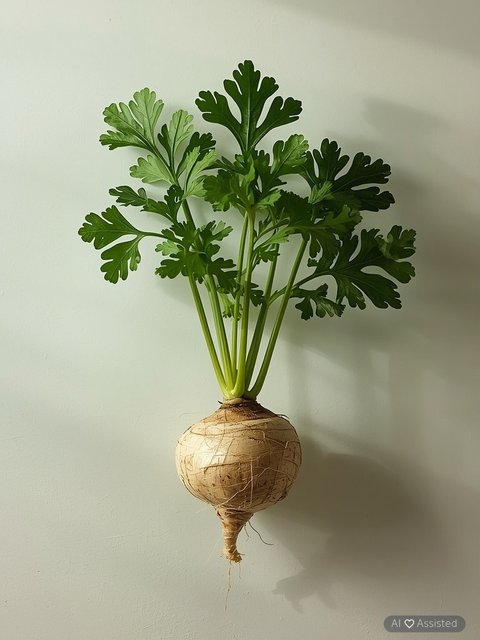
Parsley, whether in the form of its root or its fragrant leaves, remains one of the most underrated yet nutritionally invaluable vegetables in human diets. Its versatile culinary applications—ranging from enriching broths and soups to enhancing the flavor of salads—represent only a fraction of its full potential. As a member of the Apiaceae family, its distinctive, pungent aroma and robust taste are inherently linked to its botanical classification. The history of its presence in Polish cuisine dates back to the 16th century, where it was primarily employed as a seasoning for meat dishes, elevating their gustatory appeal. Today, parsley leaves constitute an indispensable component of traditional Polish cooking, prized not merely for their flavor but above all for their exceptional nutritional profile. Their abundance of vitamin C surpasses even that of citrus fruits—with a remarkable 269 milligrams per 100 grams of fresh leaves, a quantity that far exceeds the daily recommended intake of 60–70 mg for adults. Consuming just a small portion (approximately 30 g) is sufficient to meet the entire daily requirement. Moreover, the vitamin C in parsley significantly enhances the absorption of non-heme iron from food—by as much as 30–70%—making it an indispensable ally in preventing anemia and fortifying immune defenses during periods of heightened susceptibility to respiratory infections. The leaves also contain high concentrations of chlorophyll, iron, and provitamin A, further amplifying their health-promoting potential. Parsley is far more than a conventional culinary herb; its gastronomic versatility extends to refreshing smoothies and innovative flavor combinations that can serve as a daily bolster to the body’s defenses throughout the cold and flu season.
Hawthorn for seasonal colds: therapeutic properties, practical applications, and safety considerations
Hawthorn (*Crataegus* spp.), a member of the Rosaceae family, is a botanical species of remarkable medicinal value, exhibiting considerable variability across different geographical zones. Within temperate climates, it typically manifests as a dense shrub or small tree bearing distinctive crimson berries that closely resemble rosehips in appearance. These berries serve as the primary raw material for pharmaceutical applications and herbal infusions. The most prevalent species include the one-seed hawthorn (*Crataegus monogyna*) and the two-seed hawthorn (*Crataegus laevigata*). Its biochemical composition is notably rich in bioactive compounds: flavonoids with potent antioxidant properties, polyphenols, pectins, essential oils, trace minerals (magnesium, iron, cobalt), B-complex vitamins, ascorbic acid, and beta-carotene. This unique profile enables hawthorn to function as an effective immunomodulatory agent during periods of elevated viral and bacterial infection risk. Additionally, it exerts a calming effect on the nervous system, which may alleviate symptoms associated with low-grade fever, persistent cough, or insomnia induced by cold-like illnesses. Historically, hawthorn berries were commonly processed into compotes, jams, and syrups in folk medicine—a tradition that has declined with the advent of commercially available herbal preparations. Contemporary usage primarily involves alcoholic tinctures, which ensure prolonged preservation of therapeutic properties. Consumption of raw berries is discouraged due to poor digestibility and potential irritation of the gastric mucosa. Hawthorn-based preparations are contraindicated for individuals with hypotension and pregnant women. In the context of seasonal infection prevention, incorporating hawthorn into one’s diet presents a viable alternative to synthetic supplements, particularly given its efficacy is substantiated by extensive phytotherapeutic research. Thus, harnessing the benefits of this plant offers a natural means to fortify the body’s defenses and maintain optimal health throughout the colder months of the year.

Olivia Davis
✓Diets Premium Expert
Diets Premium team expert. Specializes in nutrition plans, strength sports, and training plans.
View Profile →