4 min read
Sauerkraut: Method for Preparing Fermented Cabbage

Tomasz Jankowski
✓
Diets Premium Expert • 25.09.2026
✓
Scientifically reviewed by a clinical dietitian:
This article has been peer-reviewed for adherence to IŻŻ, WHO, and PTGiP clinical nutritional standards.
| Diets Premium Expert Tomasz Jankowski | min read 4 min | Scientifically reviewed by a clinical dietitian 25.09.2026 |
Smart Voice
•Listen to the article content live
0:00
/
0:00
Key Takeaways
Fermentation is amongst the oldest techniques of preserving food, and its popularity is attributed to its simple production process and cost-effectiveness. In Poland, cabbage and cucumbers are industrially fermented, which not only provide a means to diversify meals but also serve as a valuable source of nutrients and beneficial microorganisms.
Meal Plan
Want to apply these guidelines in your daily diet?
Our smart diet generator creates a tailored meal plan in 3 minutes based on the recommendations in this article.
The cultural and medicinal legacy of fermented cabbage: A historical perspective
The preservation of food through lactic acid fermentation—exemplified by pickled cabbage—played a pivotal role during the Middle Ages, a period marked by widespread food scarcity and limited methods for maintaining freshness. This meticulously prepared dish served not only as a dietary staple in affluent households throughout the colder months—from late autumn to early spring—but also fulfilled a critical preventive health function. Owing to its high ascorbic acid (vitamin C) content, the deficiency of which led to the debilitating condition known as scurvy, fermented cabbage became an indispensable component of nutrition, particularly during fasting periods when religious dietary restrictions limited access to fresh fruits and vegetables.
Fermented white cabbage: Nutritional composition and caloric profile within the framework of a health-conscious diet
Fermented white cabbage serves as a significant reservoir of probiotic bacterial strains that actively support the balance of intestinal microbiota, while lactic acid—generated through controlled fermentation—acts as a natural preservative, inhibiting the proliferation of pathogenic microorganisms. Properly fermented lacto-fermented products are characterized by a high concentration of antioxidant vitamins C and E, as well as folic acid (pteroylmonoglutamic acid) and essential mineral salts. The calcium present in sauerkraut plays a pivotal role in bone tissue mineralization, whereas iron—as a core component of hemoglobin—facilitates the efficient transport of oxygen molecules to all bodily tissues. Inadequate iron intake may lead to the development of iron-deficiency anemia. Magnesium, in turn, regulates the contractile processes of skeletal muscles, and its deficiency often manifests as painful calf muscle cramps. An additional advantage of fermented cabbage is its low caloric density—100 grams of the product provides merely approximately 19–22 kilocalories, making it an optimal ingredient for weight-reduction diets. The high dietary fiber content lowers the glycemic index, rendering this food particularly suitable for individuals with carbohydrate metabolism disorders, including those with diabetes.
Why is fermented cabbage essential for gut microbiome health and immune function?
Scientific evidence substantiates the health-promoting properties of fermented cabbage, chief among them being its capacity to actively populate the gastrointestinal tract with beneficial lactic acid bacteria, thereby inhibiting the adhesion of pathogenic microorganisms to the intestinal lining. Peer-reviewed studies further demonstrate that consistent consumption of lacto-fermented products significantly reduces the incidence of antibiotic-associated diarrhea, enhances digestive efficiency by improving nutrient bioavailability, lowers serum LDL cholesterol concentrations, and contributes to cardiovascular system integrity. Moreover, the abundance of bacterial metabolites naturally present in fermented vegetables serves as a potent stimulant for immune cell activity, rendering these foods an especially valuable dietary component during the autumn and winter months—periods characterized by limited access to fresh, unprocessed produce and heightened susceptibility to infectious agents.
Versatile culinary applications of fermented cabbage in traditional and contemporary cuisine
While fermented cabbage can certainly function as a standalone dish, it more commonly serves as a tangy, flavorful accompaniment to hearty main courses. Its distinctive, slightly acidic taste pairs exceptionally well with a broad spectrum of meat and fish products, creating balanced flavor combinations. To moderate its intensity, some opt to incorporate grated root vegetables such as carrots, which introduce a subtle sweetness to the overall profile. Beyond its role as a side, it constitutes a foundational ingredient in numerous traditional Polish dishes—ranging from the robust bigos stew to fillings for croquettes and dumplings, as well as the aromatic kapuśniak soup. Culinary innovators also leverage its versatility as a base for preparing boldly seasoned goulashes with a spicy edge, succulent stuffed rolls, or crispy pastries. Of particular note is the regional delicacy known as ‚kapuśniaczki‘—dumplings whose very name derives from this fermented vegetable.
Fermented versus vinegar-preserved cabbage: distinguishing the processing methods
While both traditional lactic fermentation and vinegar-based pickling serve as food preservation techniques, their underlying mechanisms and outcomes exhibit substantial disparities. The former relies on the controlled breakdown of sugars by lactic acid bacteria strains, yielding a product with a distinctive mildly tangy aroma and a yellowish hue. In contrast, the pickling method depends on the action of acetic acid introduced via the brine—complemented by salt, sugar, and spices—which imparts a lighter coloration to the cabbage alongside a pronounced vinegary scent. These divergent processes confer distinct organoleptic properties, nutritional compositions, and potential health benefits to the final product.
Which individuals should refrain from consuming sauerkraut for health-related reasons?
Due to the fermentation process, sauerkraut contains elevated levels of sodium, making it unsuitable for individuals diagnosed with arterial hypertension or chronic kidney failure. In these medical conditions, strict limitation of dietary salt intake is strongly advised. Additionally, excessive sodium consumption may exacerbate the progression of peptic ulcer disease, affecting either the stomach or duodenum. To mitigate the sodium content in sauerkraut, thorough rinsing under cold running water prior to consumption is recommended.
How to Prepare Sauerkraut at Home – Step-by-Step Recipe and Fermentation Rules
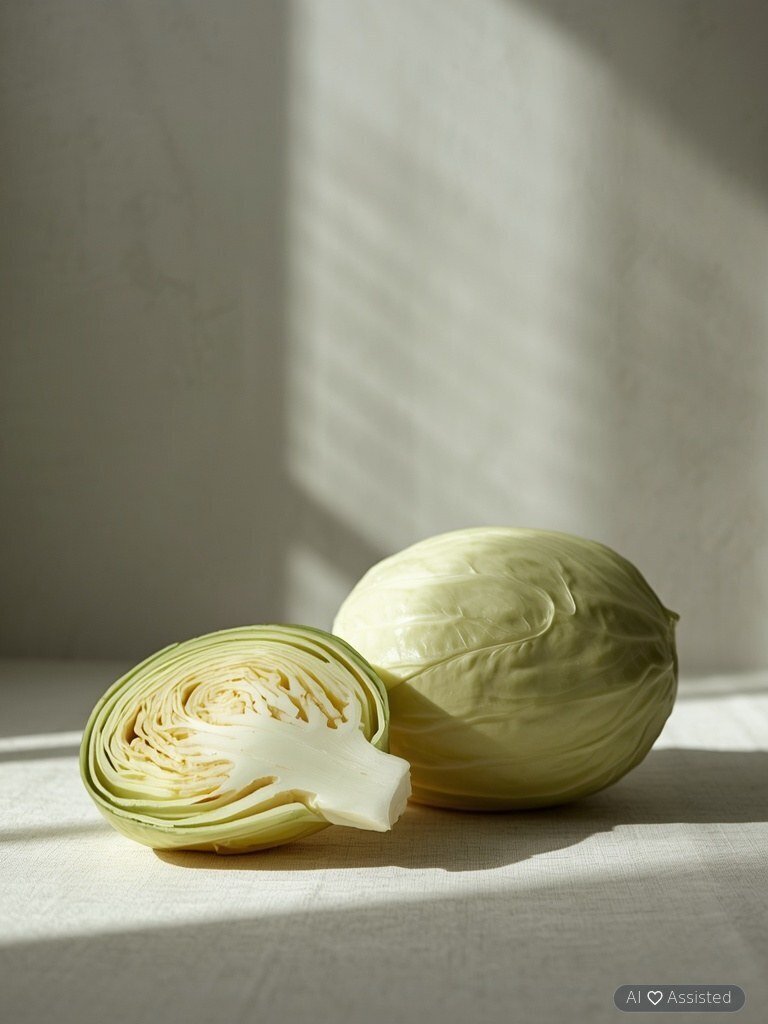
Preparing authentic, traditional sauerkraut at home is remarkably straightforward, provided one adheres to essential standards of hygiene and anaerobic fermentation. First, fresh white cabbage should be finely shredded after discarding any damaged outer leaves and the core. Next, the shredded cabbage is packed tightly into a stoneware crock, glass jar, or wooden vessel, layered with pure, non-iodized rock or sea salt. Maintaining an exact salt concentration of 2. 2% to 2. 5% by weight (approximately 22–25 grams of salt per 1 kilogram of cabbage) is critical to inhibit spoilage organisms while allowing beneficial lactic acid bacteria to thrive. The cabbage must be firmly tamped down—ideally with a wooden pestle—until sufficient cell sap is released to submerge the vegetable entirely; this anaerobic brine barrier is vital to prevent mold formation. The vessel should initially be kept at a stable room temperature (around 18–22°C), where fermentation initiates within hours. After 2 to 3 days, active effervescence and gas production peak; during this stage, the cabbage must be pierced daily with a sterilized wooden skewer to release trapped carbon dioxide and avert bitterness. Primary lactic acid fermentation is completed after 10 to 14 days. Subsequently, the container should be transferred to a cool storage area (a cellar or refrigerator below 15°C) to decelerate acid buildup and maintain crispness. Homemade sauerkraut represents an economical, nutrient-dense probiotic superfood loaded with natural vitamin C, lactic acid, and minerals, providing profound gastrointestinal and immune support.

mgr Tomasz Jankowski
✓Diets Premium Expert
Diets Premium team expert. Specializes in nutrition plans, strength sports, and training plans.
View Profile →