4 min read

Therapeutic Properties and Uses of Parsley Root and Parsley Oil: Biochemical Profile and Culinary Applications

Emilia Szymańska
Emilia Szymańska ✓
Diets Premium Expert • 23.10.2026
✓
Scientifically reviewed by a clinical dietitian: This article has been peer-reviewed for adherence to IŻŻ, WHO, and PTGiP clinical nutritional standards.
Diets Premium Expert Emilia Szymańska min read 4 min Scientifically reviewed by a clinical dietitian 23.10.2026
Therapeutic Properties and Uses of Parsley Root and Parsley Oil: Biochemical Profile and Culinary Applications

Smart Voice

•

Listen to the article content live

0:00 / 0:00
Key Takeaways
Parsley root (Petroselinum crispum var. tuberosum) is a biennial botanical root vegetable deeply rooted in traditional European phytotherapy and culinary heritage. Revered for its pungent, earthy aroma and sweet, herbal depth, it serves not merely as the foundational aromatic for stocks and soups, but as a potent phytomedicinal resource. It is naturally rich in vitamin C, folates, potassium, and characteristic essential oil constituents including apiol and myristicin. Both the fresh culinary root and its concentrated essential oil exert pronounced diuretic, detoxifying, and mild antispasmodic effects, fostering optimal renal and urinary tract clearance. This comprehensive guide reviews the evidence-based therapeutic attributes of parsley root, clinical safety precautions, and culinary applications.
Meal Plan

Want to apply these guidelines in your daily diet?

Our smart diet generator creates a tailored meal plan in 3 minutes based on the recommendations in this article.

Parsley Root (*Petroselinum crispum var. tuberosum*): Botanical Profile and Phytochemical Matrix

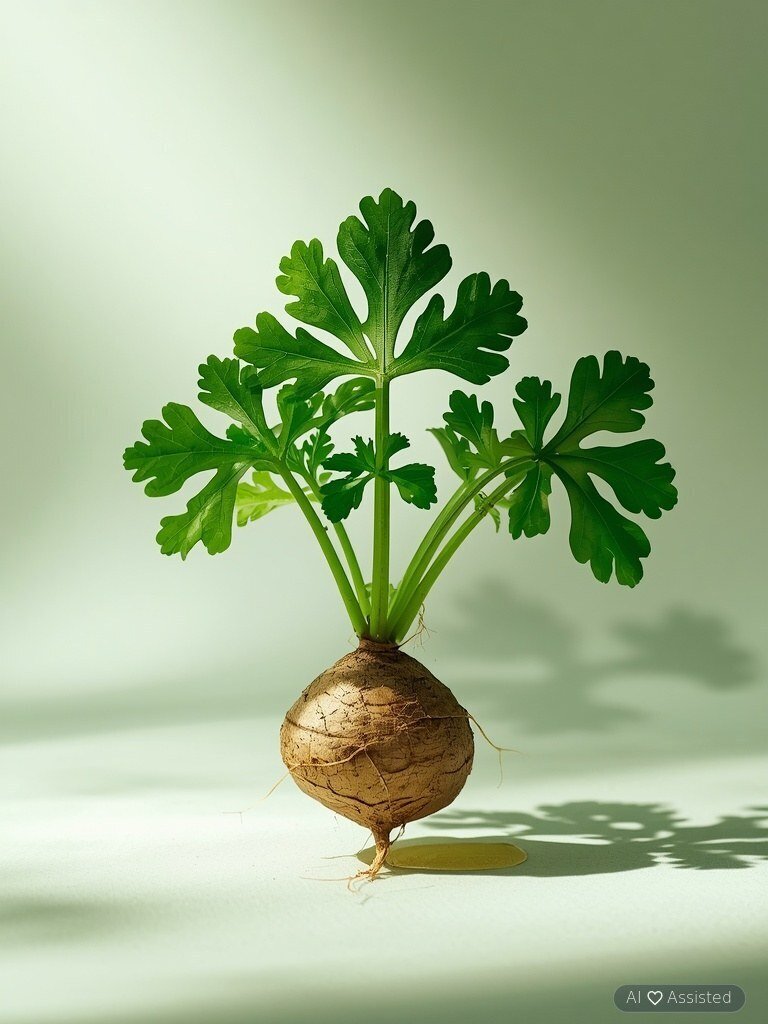
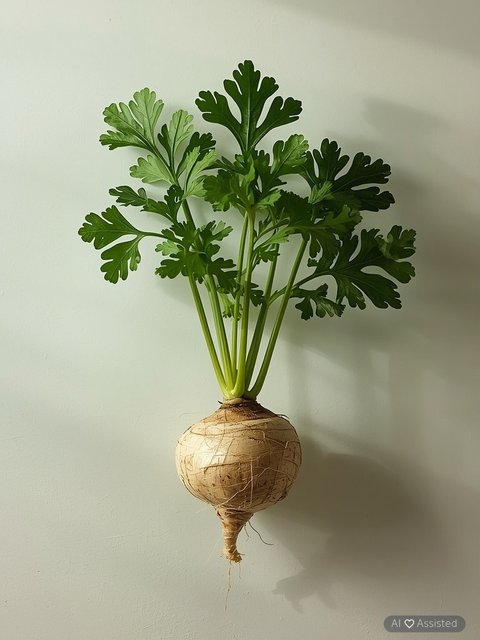
Tuberous parsley root (*Petroselinum crispum* var. *tuberosum*) belongs taxonomically to the Apiaceae family. It develops a substantial, conical, creamy-white taproot that is distinguished from parsnips by its pronounced, herbaceous, peppery aroma and dense, crisp flesh. Biochemically, parsley root serves as a rich reservoir of essential minerals: providing abundant potassium (exceeding 300 mg per 100 g), iron, magnesium, and calcium. It yields notable quantities of L-ascorbic acid (roughly 40 mg/100 g fresh weight), B-complex vitamins (B1, B2, B6), and natural folates. The defining constituent responsible for its characteristic pharmacological activity is its volatile essential oil fraction, comprising 0. 1% to 0. 3% of the fresh root mass.

Diuretic, Saluretic, and Renoprotective Efficacy of Parsley Taproot

The premier therapeutic attribute of parsley root is its potent, physiological diuretic efficacy. Bioactive flavone glycosides (primarily apiin, luteolin, and apigenin) alongside polyphenolic acids inhibit Na+/K+-ATPase activity within renal tubular epithelial cells. This downregulation reduces sodium and water reabsorption, stimulating increased urinary volume output while preserving electrolyte harmony. Elevated urinary clearance flushes the renal pelvis and ureters, expelling micro-calculi ('renal sand') and uric acid crystals while preventing bacterial adherence in the bladder. Consequently, standardized parsley root decoctions constitute an evidence-backed traditional remedy for nephrolithiasis prevention and recurrent lower urinary tract infections.

Parsley Essential Oil: Apiol, Myristicin, and Pharmacological Specifics

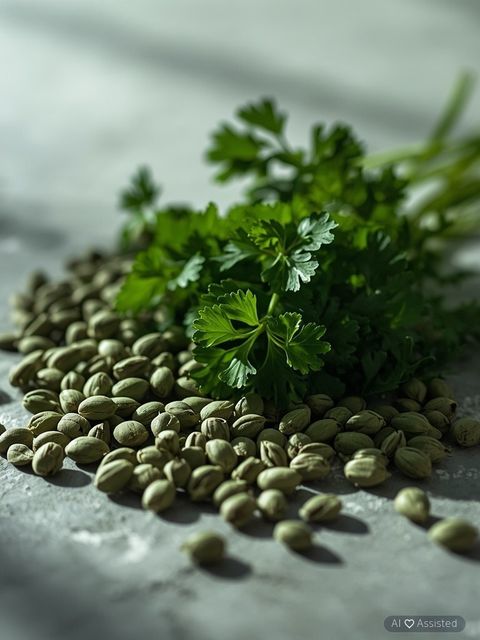
Parsley essential oil, obtained via steam distillation from the roots and seeds of *Petroselinum crispum*, represents an ultra-concentrated matrix of biofunctional phenylpropanoids. The primary chemical drivers are apiol (historically termed 'parsley camphor') and myristicin. Apiol exerts powerful spasmolytic effects on vascular and gastrointestinal smooth musculature while simultaneously enhancing pelvic organ hyperperfusion. Concurrently, myristicin demonstrates free-radical scavenging and lipid peroxidation inhibition. The essential oil also exhibits documented antibacterial potency against uropathogens (particularly *Escherichia coli*, the predominant cause of cystitis) alongside fungistatic activity against pathogenic yeast species.

Clinical Safety and Strict Contraindications: Why Parsley Oil Is Prohibited in Pregnancy

Despite its remarkable therapeutic profile, concentrated preparations derived from parsley require rigorous clinical circumspection. Apiol is a potent uterotonic compound capable of triggering vigorous contractions of the myometrium and inducing profound pelvic vasocongestion. Consequently, concentrated parsley essential oil and concentrated alcoholic extracts are **strictly contraindicated throughout pregnancy**, as they carry substantial risks of inducing spontaneous abortion or premature labor (apiol was historically misused as an abortifacient). In addition, excessive supra-physiological dosages of apiol and myristicin can induce hepatic and renal toxicity. In contrast, standard culinary consumption of cooked or raw parsley root as a vegetable is entirely safe and nourishing for all individuals.

Parsley Root in Culinary Practice: Roasting Methods, Veloutés, and Nourishing Broths

Parsley root is a versatile gastronomic jewel. While historically regarded as an indispensable aromatic component of traditional mirepoix and simmered broths, its culinary repertoire is far more expansive. Cut into batons, tossed in extra virgin olive oil and wild thyme, and roasted at 190°C (375°F), the root caramelizes into a tender, naturally sweet side dish—an ideal low-glycemic, fiber-rich alternative to potato fries. It transforms into an exquisite velvety soup (velouté) when puréed with roasted garlic, vegetable broth, and sweet pears. Freshly grated, it delivers crisp piquancy to raw slaws dressed with lemon and cold-pressed oils. Its natural bitter principles stimulate gastric and hepatic secretions, facilitating the digestion of hearty meals.

mgr Emilia Szymańska

mgr Emilia Szymańska

✓

Diets Premium Expert

Diets Premium team expert. Specializes in nutrition plans, strength sports, and training plans.

View Profile →
Recommended articles in this category

Related Articles

Discover similar publications and expert insights.

Azadirachta indica (Neem): Azadirachtin Phytochemistry, Dermatology, and Antimicrobial Efficacy
Dermatological
Azadirachta indica (Neem): Azadirachtin Phytochemistry, Dermatology, and Antimicrobial Efficacy
⏱ 4 min czytania
#Dermatological #Antiviral
Couch Grass Rhizome (Elytrigia repens) – Therapeutic Properties and Applications in Phytotherapy
Peach
Couch Grass Rhizome (Elytrigia repens) – Therapeutic Properties and Applications in Phytotherapy
⏱ 4 min czytania
#Peach #Spread
Fighting the common cold - the curative power of fermented cabbage, parsley, and hawthorn
Immunity Support
Fighting the common cold - the curative power of fermented cabbage, parsley, and hawthorn
⏱ 7 min czytania 📚 Immunity Support
#Cabbage #Power
Chives: Cultivation, Nutritional Value, Vitamins, and Freezing Guide
Vegetables
Chives: Cultivation, Nutritional Value, Vitamins, and Freezing Guide
⏱ 4 min czytania
#Vegetables #Parsley
Dried tomatoes – in oil or without flood? How to prepare dried tomatoes
Dried Tomatoes
Dried tomatoes – in oil or without flood? How to prepare dried tomatoes
⏱ 7 min czytania
#Dried Tomatoes #Sun-dried Tomatoes
National leaf parsley: cultivation profile and culinary applications
Pregnancy & Motherhood
National leaf parsley: cultivation profile and culinary applications
⏱ 2 min czytania 📚 Pregnancy & Motherhood
#Parsley #Fresh
Parsley root: Botanical profile and morphological characteristics
Essential Oils
Parsley root: Botanical profile and morphological characteristics
⏱ 3 min czytania
#Essential Oils #Vegetables
Fresh parsley greens – nutritional profile, preservation methods, and evidence-based culinary and medicinal applications
Pregnancy & Motherhood
Fresh parsley greens – nutritional profile, preservation methods, and evidence-based culinary and medicinal applications
⏱ 3 min czytania 📚 Pregnancy & Motherhood
#Nutritional Composition #Bioactive Compounds
Curcumin – Health Benefits
Curry
Curcumin – Health Benefits
⏱ 6 min czytania
#Curry #Curcumin
Tinospora cordifolia - an Indian Remedy Known from Ayurveda
Standing
Tinospora cordifolia - an Indian Remedy Known from Ayurveda
⏱ 2 min czytania
#Standing #Indian
Punarnava - Indian Collaborator
Indian
Punarnava - Indian Collaborator
⏱ 2 min czytania
#Indian
Forskolin - Indian-Style Weight Reduction
Weight Management
Forskolin - Indian-Style Weight Reduction
⏱ 1 min czytania 📚 Weight Management
#Indian
Muira Puama - Brazilian Indian Medicinal Remedy
Indian
Muira Puama - Brazilian Indian Medicinal Remedy
⏱ 2 min czytania
#Indian #Brand Drug
Ashwagandha - Features, Composition, Properties, Application
Indian
Ashwagandha - Features, Composition, Properties, Application
⏱ 5 min czytania
#Indian #Ashwagandha
Mustard seed-derived oil: comprehensive analysis of its properties, versatile applications, and hair health benefits – an in-depth exploration of this traditional remedy gaining traction in European markets
Bioactive Compounds
Mustard seed-derived oil: comprehensive analysis of its properties, versatile applications, and hair health benefits – an in-depth exploration of this traditional remedy gaining traction in European markets
⏱ 3 min czytania
#Bioactive Compounds #Cooking Ingredient
Pumpkin seed oil – nutritional characteristics, therapeutic applications, dosage guidelines, and its efficacy in combating parasitic infections
Dietary Supplement
Pumpkin seed oil – nutritional characteristics, therapeutic applications, dosage guidelines, and its efficacy in combating parasitic infections
⏱ 6 min czytania
#Dietary Supplement #Pumpkin Seed Oil
Common Walnut (Juglans regia): botanical characteristics, nutritional composition, and both time-honored and contemporary culinary applications
Food & Ingredients
Common Walnut (Juglans regia): botanical characteristics, nutritional composition, and both time-honored and contemporary culinary applications
⏱ 6 min czytania 📚 Food & Ingredients
#Nutritional Composition #Nutritional Ingredients
The Effect of Green Tea… Green Tea for Hair
Nutrition
The Effect of Green Tea… Green Tea for Hair
⏱ 3 min czytania 📚 Nutrition
#Asian #Beverage
What is diabetic retinopathy? Indications of diabetic retinopathy
Type 2 Diabetes
What is diabetic retinopathy? Indications of diabetic retinopathy
⏱ 2 min czytania
#Type 2 Diabetes #Asian
The composition and effects of glucomannan, along with perspectives on glucomannan
Health Benefits
The composition and effects of glucomannan, along with perspectives on glucomannan
⏱ 4 min czytania
#Health Benefits #Traditional Dishes
Every Type of Tea Has Unique Characteristics and a Distinct Flavor
Asian
Every Type of Tea Has Unique Characteristics and a Distinct Flavor
⏱ 5 min czytania
#Asian #Tea
Jasmine – Plant Species Used in Teas and Essential Oils
Health Benefits Of Oils
Jasmine – Plant Species Used in Teas and Essential Oils
⏱ 4 min czytania
#Health Benefits Of Oils #Health Benefits Of Tea
Spanish culinary heritage: defining characteristics, regional gastronomy, and authentic recipes
Seasonal Ingredients
Spanish culinary heritage: defining characteristics, regional gastronomy, and authentic recipes
⏱ 5 min czytania
#Seasonal Ingredients #Regional Specialties
Marjoram – Traditional Therapeutic Applications: Natural Relief for Cough, Rhinitis, and Sinusitis
Functional Foods
Marjoram – Traditional Therapeutic Applications: Natural Relief for Cough, Rhinitis, and Sinusitis
⏱ 3 min czytania 📚 Functional Foods
#Traditional Medicine #Mediterranean
Swank diet and East Asian traditions in the context of multiple sclerosis
Asian
Swank diet and East Asian traditions in the context of multiple sclerosis
⏱ 4 min czytania
#Asian
What assignments can be executed with chestnuts? Attributes of chestnuts
Plant Cultivation
What assignments can be executed with chestnuts? Attributes of chestnuts
⏱ 4 min czytania
#Plant Cultivation #Middle Eastern
Soy and Glass Cellophane Noodles – Composition, Nutritional Value, Preparation, and Recipes
Food Science
Soy and Glass Cellophane Noodles – Composition, Nutritional Value, Preparation, and Recipes
⏱ 5 min czytania 📚 Food Science
#Nutritional Benefits #Versatile Ingredient
Tapioca Flour (Cassava Starch) – Properties, Glycemic Index, and Culinary Recipes
Food Science
Tapioca Flour (Cassava Starch) – Properties, Glycemic Index, and Culinary Recipes
⏱ 4 min czytania 📚 Food Science
#Versatile Ingredient #Tapioca
Traditional British culinary arts: defining characteristics, gastronomic heritage, and classic recipes with contemporary influences
Traditional
Traditional British culinary arts: defining characteristics, gastronomic heritage, and classic recipes with contemporary influences
⏱ 4 min czytania
#Traditional #Asian
Oranges: Nutritional Profile, Micronutrients, Caloric Density, Glycemic Index, and Culinary Applications
Pregnancy & Motherhood
Oranges: Nutritional Profile, Micronutrients, Caloric Density, Glycemic Index, and Culinary Applications
⏱ 3 min czytania 📚 Pregnancy & Motherhood
#Essential Oils #Asian

Share