4 min read
Jasmine – Plant Species Used in Teas and Essential Oils

Sophia Williams
✓
Diets Premium Expert • 25.09.2026
✓
Scientifically reviewed by a clinical dietitian:
This article has been peer-reviewed for adherence to IŻŻ, WHO, and PTGiP clinical nutritional standards.
| Diets Premium Expert Sophia Williams | min read 4 min | Scientifically reviewed by a clinical dietitian 25.09.2026 |
Smart Voice
•Listen to the article content live
0:00
/
0:00
Key Takeaways
Jasmine is a plant originating from the Asian continent that is utilized to improve the taste and fragrance of various tea varieties. In recent times, there has been a surge in the popularity of these beverages in Poland. This is a very positive news as the consumption of both jasmine and jasmine tea can offer diverse health benefits. Furthermore, the application of products containing jasmine can have a positive impact on appearance. Read the article to discover more about the characteristics of this captivating plant.
Meal Plan
Want to apply these guidelines in your daily diet?
Our smart diet generator creates a tailored meal plan in 3 minutes based on the recommendations in this article.
Jasmine: The Divine-Scented Flower with Remarkable Properties
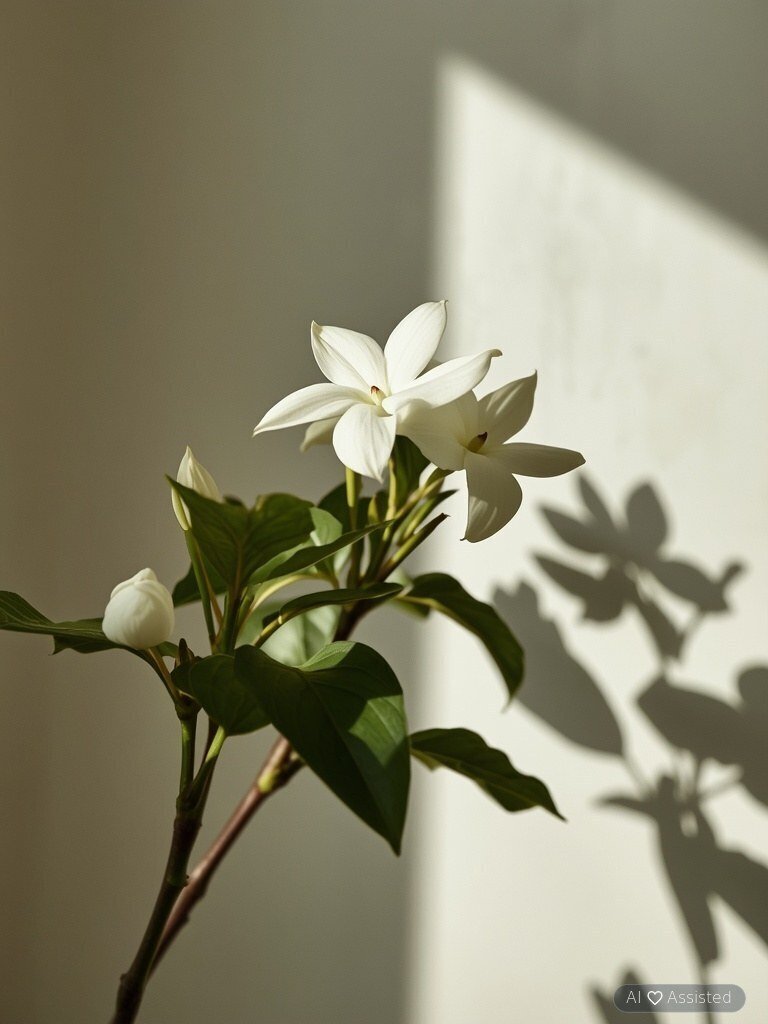
Jasmine, a member of the olive family (*Oleaceae*), stands as one of the most revered ornamental plants, distinguished by its extraordinarily potent and enchanting fragrance. Its cultivation, however, demands meticulous attention and specific growing conditions, rendering it less suitable for novice gardeners. Native to vast regions of Asia, its natural distribution spans from the western territories of Iran to the eastern provinces of China. In temperate climates such as that of Poland, jasmine is predominantly grown as a potted plant, though during the warmer months—from late spring through early autumn—it can be successfully displayed on balconies, patios, or planted directly in garden beds. Its unparalleled beauty and aromatic allure have cemented its cultural significance across millennia: in ancient Persia, it was revered as a "divine gift" and employed in love rituals, whereas in the Philippines today, it remains an indispensable element of wedding traditions—interwoven into bridal hairstyles or incorporated into floral arrangements for honored guests. Beyond its ornamental value, jasmine is widely utilized in herbal medicine, cosmetology, and aromatherapy, where it is prepared as infusions, essential oils, or added to relaxing baths and massages. Historically, it was attributed with aphrodisiac properties and served as a key ingredient in fabled "love potions." Contemporary scientific research further validates its myriad health benefits, including the capacity to absorb harmful ultraviolet radiation, thereby shielding the skin from photoaging and potential cellular damage, such as carcinogenesis. Additionally, it exhibits anti-inflammatory effects, aids in the prevention of atherosclerosis, and demonstrates hepatoprotective qualities, safeguarding liver tissue from toxic injury.
Exploring jasmine diversity: a comprehensive guide to its botanical varieties
Jasmine, though frequently misclassified as a shrub, is in fact a climbing plant characterized by its fragrant, tubular blossoms. The genus encompasses multiple distinct species, most notably Azorean jasmine (*Jasminum azoricum*), winter jasmine (*Jasminum nudiflorum*), common white jasmine (*Jasminum officinale*), and Spanish jasmine (*Jasminum grandiflorum*). Within European climates, it is predominantly cultivated as a container plant or ornamental garden feature. Folkloric traditions suggest that jasmine flowers remain closed throughout daylight hours, unfurling only after dusk—hence, the optimal harvesting window occurs at dawn, when essential oil concentration peaks. Of particular interest is the meticulous process behind premium jasmine tea production: dried tea leaves undergo repeated "scenting" sessions, during which they are interlayered with fresh jasmine blossoms for several hours, allowing for profound infusion with the flowers’ delicate, floral notes.
Jasmine tea: Imperial heritage and wellness benefits in every infusion
Jasmine tea is experiencing a surge in popularity across Poland, a development that bodes well given its multifaceted benefits for both health and aesthetic enhancement. Historically reserved for Chinese imperial courts and nobility—earning it the moniker "imperial pearl"—this beverage carries a legacy of exclusivity that underscores its exceptional status. The traditional preparation centers on a green tea base, delicately infused with jasmine blossoms and their natural aromatic essence. Contemporary markets, however, present a broader spectrum of varieties: from white jasmine tea—hailed by connoisseurs as the world’s most exquisite, featuring unopened flower buds—to robust black tea blends where jasmine’s floral notes subtly intermingle with the tea’s deeper tones, as well as rooibos infusions with their noble, faintly sweet undertones, and the mesmerizing "blooming" teas, whose preparation is a visual spectacle as hand-rolled leaves unfurl in hot water to reveal concealed flowers. This remarkable beverage balances boldness with refinement in both flavor and fragrance. Scientific studies associate its regular consumption with a range of health benefits, including anticancer properties, dermatological protection against premature aging, cardiovascular support, and detoxifying effects that sharpen mental focus while inducing relaxation. For optimal preparation, steep one teaspoon of loose leaves in water heated to approximately 75°C (167°F) for no longer than four minutes; exceeding this duration risks compromising its velvety texture and delicate aromatic profile.
Therapeutic-grade jasmine flower essential extract – properties and clinical applications
The essential extract derived from jasmine blossoms exhibits an exceptionally broad spectrum of beneficial effects on human physiology. Empirical evidence supports its efficacy as an adjunct in antidepressant protocols, attributable to its distinctive profile of bioactive aromatic compounds. Furthermore, it demonstrates well-documented antibacterial and antiseptic properties, rendering it a valuable component in infection prevention strategies. Of particular note is its capacity to modulate sebum secretion, which underpins its utility in managing acne vulgaris and hyperhidrosis while concurrently neutralizing malodorous emissions. Another critical attribute is its stimulation of epidermal regenerative processes, accelerating the healing of lacerations, abrasions, and minor incisions. Within otolaryngological practice, it is employed for auricular irrigation due to its ability to enhance acoustic conduction and auditory function. Its cardiotonic effects prove especially beneficial in arrhythmic conditions, whereas its anti-inflammatory properties alleviate conjunctival inflammation. Equally significant is its analgesic potential—mitigating both acute and chronic pain syndromes, including migrainous episodes and anxiety-neurotic disorders. Additionally, it exerts a pronounced sedative effect, positioning it as a complementary intervention for insomnia and sleep architecture disturbances. Certain clinical reports suggest that consistent use may contribute to hypotension management, reduction of low-density lipoprotein (LDL) cholesterol concentrations, and hepatic detoxification support. In cosmetic and aromatherapeutic applications, it is highly regarded as an ingredient in massage oils, relaxing bath preparations, perfumery bases, and premium skincare formulations. In summary, jasmine and its distillates represent a multifunctional botanical resource with substantiated impacts on systemic homeostasis, beneficially influencing neural, cardiovascular, and dermatological systems. Incorporation into daily regimens may yield measurable health and aesthetic advantages.

Sophia Williams
✓Diets Premium Expert
Diets Premium team expert. Specializes in nutrition plans, strength sports, and training plans.
View Profile →