Strawberries for natural teeth brightening – facts, myths, and enamel safety

Mateusz Pawlak
✓
Diets Premium Expert • 23.10.2026
✓
Scientifically reviewed by a clinical dietitian:
This article has been peer-reviewed for adherence to IŻŻ, WHO, and PTGiP clinical nutritional standards.
| Diets Premium Expert Mateusz Pawlak | min read 1 min | Scientifically reviewed by a clinical dietitian 23.10.2026 |
Smart Voice
•Listen to the article content live
0:00
/
0:00
Key Takeaways
Many individuals desire a radiant, white smile and actively seek accessible home remedies. Among these, strawberries have garnered widespread acclaim because their natural malic acid and vitamin C content helps lift superficial extrinsic dental stains. However, understanding the exact biochemical impact of fruit acids on dental enamel is vital to achieving a brighter smile safely without compromising oral health.
Meal Plan
Want to apply these guidelines in your daily diet?
Our smart diet generator creates a tailored meal plan in 3 minutes based on the recommendations in this article.
How strawberries can naturally brighten your smile: evidence-based benefits and recipes for dental health
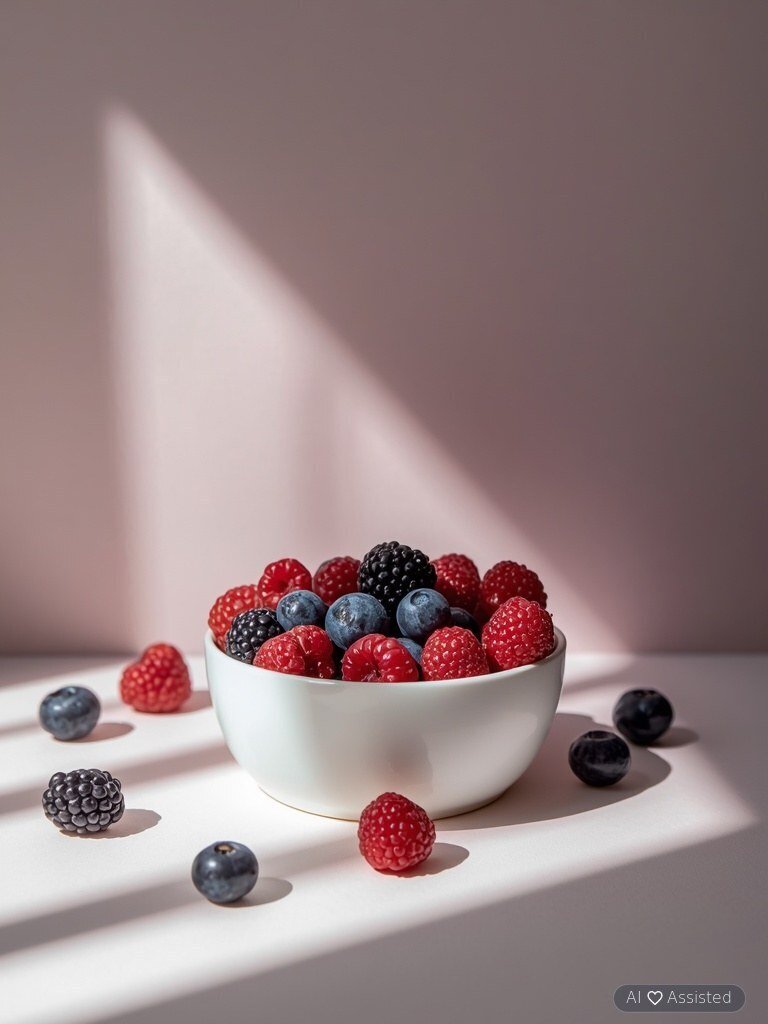
Strawberries, those succulent and fragrant fruits that define the Polish summer season from June through August, serve as far more than just a staple ingredient in ice cream desserts and seasonal treats. Their exceptional nutritional profile stems from an abundance of essential vitamins, minerals, and bioactive compounds that exert beneficial effects throughout the body. Of particular note, however, is their capacity to support oral hygiene—specifically through the natural whitening of teeth. The key lies in their malic acid content, a compound widely incorporated into professional whitening toothpastes. This acid functions by gently dissolving surface stains and discolorations that lend teeth an unsightly yellowish hue. Moreover, the high vitamin C concentration in strawberries inhibits processes that lead to tartar formation, further strengthening the case for integrating these fruits into daily dietary habits. Comprehensive dental care extends beyond mechanical brushing; it equally depends on a balanced diet rich in nutrients that promote enamel and gum health. Thoughtfully composed meals can significantly reduce the risk of cavities and periodontal diseases. Explore time-tested culinary recipes that allow you to harness the full potential of strawberries not only as a delectable dessert but also as a natural adjunct to oral hygiene!
Enamel safety: Strawberry acidity and the mechanics of dental erosion
Although the malic acid abundant in strawberries effectively breaks down extrinsic chromogens originating from coffee, tea, or dietary tannins, its acidic pH (ranging from approximately 3.3 to 3.7) introduces a distinct risk of enamel demineralization if misapplied. Enamel hydroxyapatite begins critical dissolution at a threshold pH below 5.5. Vigorously brushing teeth immediately following exposure to fruit acids abrasive wears away the temporarily softened enamel surface. Over time, this mechanical abrasion precipitates acute dentin hypersensitivity to thermal stimuli and may paradoxically expose underlying yellowish dentin. Dental professionals emphasize that fruit-based bleaching protocols must remain strictly occasional (no more than once every 1–2 weeks). Following application, the oral cavity should be thoroughly rinsed with neutral water or a remineralizing fluoride rinse, while mechanical toothbrushing must be deferred for at least 30 minutes to permit salivary remineralization.
Evidence-based DIY strawberry and baking soda paste – application guidelines
The most widely researched natural brightening formulation combines a ripe strawberry with sodium bicarbonate (baking soda). Baking soda acts as an alkaline buffer, raising the pH and neutralizing excessive acidity while providing gentle, low-abrasivity stain polishing. Preparation: mash one medium, thoroughly ripe strawberry into a uniform puree, then blend in half a teaspoon of food-grade baking soda until an even paste forms. Using a soft silicone applicator or clean fingertip, spread the mixture lightly across the labial surfaces of the anterior teeth. Allow the paste to remain in contact for strictly 3 to 5 minutes—never exceeding this interval to prevent prolonged acid exposure. Conclude by rinsing the mouth copiously with lukewarm water to dislodge all fruit remnants and seeds. Crucially, this DIY paste does not substitute for conventional fluoride toothpaste or daily biofilm control; it serves solely as an infrequent adjunctive polish for extrinsic discoloration.
Dietary strategies for a luminous smile: foods that protect and strengthen dental health
The most sustainable and biologically sound approach to preserving brilliant dental aesthetics lies in adopting a remineralizing, self-cleansing dietary pattern. Crisp, fibrous raw vegetables and fruits—such as celery stalks, raw carrots, cauliflower florets, and crisp apples—provoke robust salivary flow. Saliva serves as nature's primary enzymatic buffer, neutralizing dietary acids while supersaturating the oral environment with calcium and phosphate ions to repair incipient micro-defects. Furthermore, their crunchy matrix mechanically sweeps away loose food debris. Dairy foods, especially aged hard cheeses and unsweetened yogurt, provide casein phosphopeptides and bioavailable calcium that coat the dental pellicle in a protective shield. Conversely, chromogen-heavy consumables—such as red wine, dark berries, turmeric, and dark roast coffee—should be consumed mindfully, followed immediately by water rinses. Pairing intelligent nutrition with routine in-office professional hygiene cleanings delivers optimal aesthetic brilliance without dental risks.
Tags

mgr Mateusz Pawlak
✓Diets Premium Expert
Diets Premium team expert. Specializes in nutrition plans, strength sports, and training plans.
View Profile →