Iron uptake disorders iron uptake curves

Isabella Taylor
✓
Diets Premium Expert • 24.09.2026
✓
Scientifically reviewed by a clinical dietitian:
This article has been peer-reviewed for adherence to IŻŻ, WHO, and PTGiP clinical nutritional standards.
| Diets Premium Expert Isabella Taylor | min read 4 min | Scientifically reviewed by a clinical dietitian 24.09.2026 |

Smart Voice
•Listen to the article content live
0:00
/
0:00
Key Takeaways
Iron plays a crucial role in daily nutrition as it is a component of red blood cells that carry oxygen to all body cells.
Meal Plan
Want to apply these guidelines in your daily diet?
Our smart diet generator creates a tailored meal plan in 3 minutes based on the recommendations in this article.
Iron bioavailability: absorption mechanisms and dietary factors modulating its efficiency in human nutrition
Iron represents an indispensable trace element critical for numerous physiological processes in the human body, with its primary dietary sources encompassing both animal-derived and plant-based products. The former category includes red meat, offal (notably liver), fish, and dairy products, whereas the latter comprises cereals (such as whole-grain bread and oatmeal), dried fruits (e.g., apricots), and legume seeds. A pivotal distinction exists between **heme iron** (derived from animal sources) and **non-heme iron** (of plant origin), as their absorption efficiencies in the gastrointestinal tract differ substantially—both in terms of bioavailability and susceptibility to external modifiers. This dichotomy necessitates tailored dietary strategies to mitigate risks of deficiency or excess intake of this essential mineral.
Iron absorption disorders
Inadequate dietary intake of iron is widespread in the general population, with women of reproductive age demonstrating pronounced vulnerability. However, nutritional deficits are not the sole determinant of depleted bodily iron reserves. Systemic iron deficiency frequently develops despite adequate dietary intake due to impaired gastrointestinal absorption and occult blood loss (e.g., menorrhagia, bleeding hemorrhoids, or gastric ulcers). A central regulator of systemic iron homeostasis is the hepatic hormone hepcidin; aberrantly suppressed or dysregulated hepcidin synthesis severely impairs iron transport. This dysregulation is notably prevalent among chronic alcohol abusers, where hepatic pathology disrupts iron parameters. Impaired absorption is likewise prominent following upper gastrointestinal surgeries, including bariatric procedures and subtotal gastrectomy, which diminish mucosal absorptive area. Furthermore, underlying enteropathies such as celiac disease, malabsorption syndrome, intestinal lymphangiectasia, and mucosal malignancies substantially impair iron uptake. In diarrhea-predominant irritable bowel syndrome, accelerated transit time leads to premature excretion of iron with intestinal contents. Among pediatric cohorts with ulcerative colitis, iron deficiency anemia due to mucosal malabsorption and chronic blood loss occurs with substantial frequency. Finally, habitual overuse of stomach-acid neutralizing medications (such as proton pump inhibitors and antacids) diminishes the acidic gastric environment essential for converting ferric to bioavailable ferrous iron.
Oral iron challenge with serial serum concentration monitoring: A kinetic absorption profile assessment
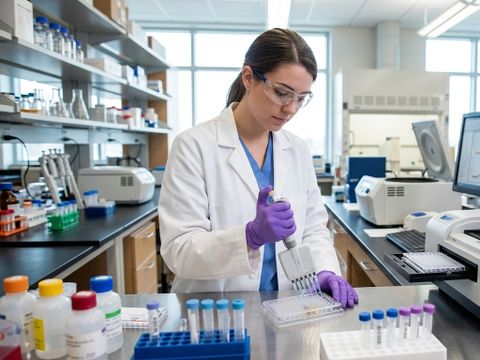
The iron absorption kinetic profile, commonly referred to as the oral iron challenge test, represents a specialized laboratory assessment designed to either substantiate or disprove the hypothesis of impaired iron uptake within the gastrointestinal tract. The protocol initiates with a fasting venous blood draw to establish baseline serum iron levels. Subsequently, the patient ingests a 1-gram dose of ferrous sulfate, followed by serial serum iron measurements at predetermined intervals—specifically at 30, 60, 90, 120, and 360 minutes post-administration. The collected data facilitate the construction of a time-concentration curve, wherein the horizontal axis denotes elapsed time since ingestion, while the vertical axis depicts the corresponding fluctuations in serum iron concentration. Interpretation of the resultant profile may reveal: (1) a steeply ascending curve, indicative of significant iron deficiency characterized by a rapid surge in serum levels; (2) a flattened trajectory, suggestive of intestinal malabsorption that may necessitate parenteral iron supplementation (e.g., intravenous infusion). In healthy individuals, peak serum iron concentrations are typically attained approximately three hours post-ingestion, with values not exceeding 35 µmol/l (190 µg/dl). However, in cases of profound deficiency, concentrations may escalate to 50 µmol/l (270 µg/dl). Iron serves as a critical micronutrient integral to myriad physiological processes, yet its dietary bioavailability remains constrained. Persistent fatigue, lethargy, pallor, or diminished physical endurance may signal either inadequate dietary intake or absorptive dysfunction, warranting clinical evaluation and potential dietary intervention.
Tags

Isabella Taylor
✓Diets Premium Expert
Diets Premium team expert. Specializes in nutrition plans, strength sports, and training plans.
View Profile →