Ingestion and Absorption of Heme and Non-Heme Iron from Food

Julia Wójcik
✓
Diets Premium Expert • 24.09.2026
✓
Scientifically reviewed by a clinical dietitian:
This article has been peer-reviewed for adherence to IŻŻ, WHO, and PTGiP clinical nutritional standards.
| Diets Premium Expert Julia Wójcik | min read 4 min | Scientifically reviewed by a clinical dietitian 24.09.2026 |
Smart Voice
•Listen to the article content live
0:00
/
0:00
Key Takeaways
Iron is a microelement that plays a pivotal role in the supply and transportation of sufficient oxygen to all body tissues. Disruptions in iron provision can result in symptoms such as pale skin, redness of mucous membranes, overall fatigue, and weakness of the body, despite adequate sleep. Iron is characterized by low absorptive capacity from the digestive tract due to numerous factors that decrease its absorption through the digestive system.
Meal Plan
Want to apply these guidelines in your daily diet?
Our smart diet generator creates a tailored meal plan in 3 minutes based on the recommendations in this article.
Comprehensive biochemical and physiological profile of iron: Functions, storage forms, and metabolic roles in the human body
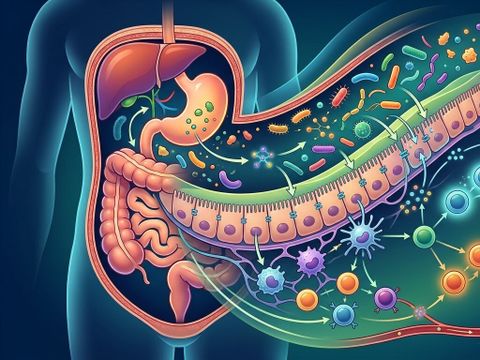
Iron represents an indispensable trace element with a total body content in adults ranging from three to five grams. It exists in two distinct chemical forms that exhibit divergent bioavailability profiles: heme iron (derived predominantly from animal hemoglobin and myoglobin) and non-heme iron (found in plant-based foods and dietary supplements). The highest concentration of this micronutrient is observed within the hemoglobin molecule—the oxygen-carrying protein in erythrocytes—whereas its reserve pools are stored in the liver as complex compounds bound to ferritin and hemosiderin. Beyond its role in oxygen transport, iron serves a critical structural function as a constituent of myoglobin (a muscle-specific pigment facilitating oxygen storage in muscle tissue) and acts as a cofactor for numerous metalloenzymes involved in redox reactions—particularly within the mitochondrial electron transport chain, where it participates in ATP generation via oxidative phosphorylation. Deficiency in iron disrupts respiratory gas transport and impairs cellular energy metabolism, underscoring its physiological indispensability.
Dietary Iron: Natural Sources and Bioavailability in Human Nutrition
Dietary iron exists in two distinct biochemical forms: heme iron, derived exclusively from animal-based foods such as beef, poultry, organ meats (particularly liver), fish, and shellfish, and non-heme iron, primarily found in legumes, whole-grain cereal products, and egg yolks. The former exhibits significantly higher bioavailability, with approximately 23% absorption in the gastrointestinal tract, accounting for roughly one-tenth of total iron intake in a varied diet. In contrast, non-heme iron—despite its lower absorption rate of just 3–8%—supplies up to 90% of the daily iron requirements in a typical plant-based or mixed dietary pattern.
Dietary Iron Requirements: Age- and Physiology-Based Daily Allowances
The recommended daily iron intake is as follows: **10–15 milligrams** for infants and children up to 9 years of age; **16–17 milligrams** for girls and women aged 10–60 years; **26 milligrams per day** for pregnant women; **20 milligrams daily** for breastfeeding mothers; and **14–15 milligrams** for boys and men between the ages of 10 and 60. These values account for elevated requirements during key developmental and physiological stages.
Iron bioavailability determinants: critical factors governing the absorption of this essential trace element in the human body
The bioavailability of heme iron exhibits dynamic fluctuations contingent upon the body’s current nutritional status, whereby its absorption from dietary sources increases substantially in cases of deficiency compared to individuals with adequate saturation levels. A pivotal enhancer of iron uptake from meat and offal is the so-called *meat factor* (MFP – *Meat Factor Promoter*), whose efficacy is diminished by excessive dietary calcium intake and prolonged high-temperature cooking of meat. From a nutritional standpoint, consuming meat from reliable sources prepared via gentle cooking methods—such as leaving it slightly undercooked internally—is recommended to preserve nutrient integrity.
For non-heme iron, primarily derived from plant-based foods, absorption rates are likewise closely tied to overall nutritional status. Gastric hydrochloric acid plays a critical role by degrading phytates (antinutrients found in cereals), which would otherwise significantly impede iron uptake. Copper is another indispensable cofactor, serving as a constituent of ferroxidase—the enzyme essential for converting ferric iron (Fe³⁺, biologically inactive) into ferrous iron (Fe²⁺, the utilizable form found in hemoglobin). Copper deficiency disrupts this conversion, leading to pathological iron accumulation in the liver and impairing hepatic function.
Natural promoters of non-heme iron absorption include the aforementioned *meat factor* (MFP), vitamin C (ascorbic acid), and the so-called *sauerkraut factor*—a compound present in fermented foods such as sauerkraut or yogurt. Their mechanism involves lowering gastric pH, which facilitates phytate hydrolysis. Conversely, inhibitors include phytates (in whole-grain products), polyphenols (in tea, coffee, and wine), dietary fiber, calcium, and soy protein. Notably, zinc and iron compete for the same intestinal transport pathways; thus, excessive dietary zinc may substantially reduce iron absorption. Additionally, high-temperature food processing adversely affects bioavailability by degrading both vitamin C and phytase (the phytate-degrading enzyme).

Julia Wójcik
✓Diets Premium Expert
Diets Premium team expert. Specializes in nutrition plans, strength sports, and training plans.
View Profile →