4 min read
Chewing Gum, Surprise Eggs, Cured Meats – Globally Banned Foods and Customs Regulations

Tomasz Jankowski
✓
Diets Premium Expert • 23.10.2026
✓
Scientifically reviewed by a clinical dietitian:
This article has been peer-reviewed for adherence to IŻŻ, WHO, and PTGiP clinical nutritional standards.
| Diets Premium Expert Tomasz Jankowski | min read 4 min | Scientifically reviewed by a clinical dietitian 23.10.2026 |
Smart Voice
•Listen to the article content live
0:00
/
0:00
Key Takeaways
Foods considered commonplace staples in one jurisdiction may incur severe monetary fines, confiscation, or even criminal prosecution in another. Stringent biosecurity protocols, urban infrastructure protection, and consumer safety mandates have created a remarkably diverse landscape of international food prohibitions. This comprehensive guide details the most famous food bans globally—spanning Singapore's chewing gum restrictions and the United States' embargo on Kinder Surprise eggs, to European veterinary prohibitions on live-maggot cheeses, toxic fugu fish, and customs barriers erected to prevent African Swine Fever (ASF).
Meal Plan
Want to apply these guidelines in your daily diet?
Our smart diet generator creates a tailored meal plan in 3 minutes based on the recommendations in this article.
Singapore and the strict chewing gum prohibition: legislative origins, civic hygiene, and medicinal exemptions
In 1992, the government of Singapore enacted an unprecedented prohibition on the importation, commercial sale, and domestic manufacture of chewing gum under the Control of Manufacture Act. The primary catalyst was extensive public vandalism and substantial municipal cleaning costs, compounded by severe disruptions to the Mass Rapid Transit (MRT) subway system, where discarded gum affixed to door sensors stalled train departures. Smuggling chewing gum for commercial distribution carries punitive fines up to 100,000 Singapore dollars or imprisonment for up to two years. The sole legislative relaxation occurred in 2004 under the US-Singapore Free Trade Agreement, permitting pharmacists to dispense therapeutic chewing gum (such as nicotine replacement or dental formulations), strictly conditional upon national identity verification and formal pharmacy registry logging.
Kinder Surprise eggs in the United States: the 1938 Federal Food, Drug, and Cosmetic Act and child choking hazards
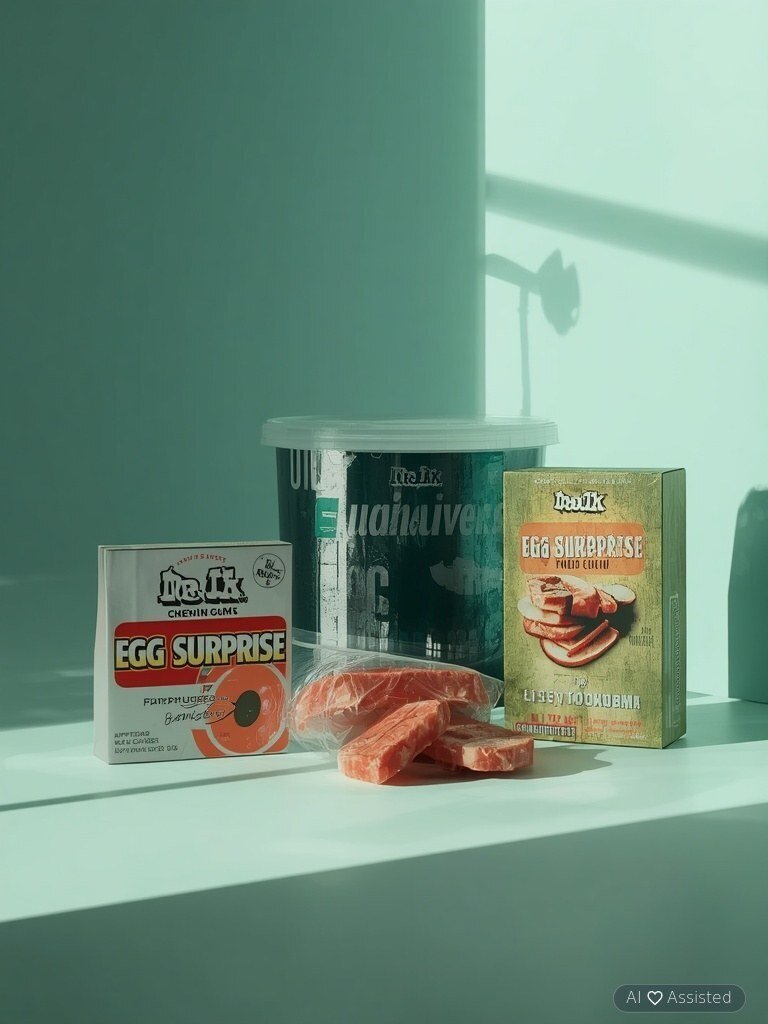
The iconic hollow chocolate confectionery encapsulating a plastic capsule with an assembled toy (Kinder Surprise) remains strictly prohibited from importation and commercial sale in the United States. This federal embargo stems from Section 402(d)(1) of the 1938 Federal Food, Drug, and Cosmetic Act (FD&C Act), which classifies any confectionery item containing embedded non-nutritive objects as adulterated, unless specifically exempted. Both the Food and Drug Administration (FDA) and the Consumer Product Safety Commission (CPSC) uphold this restriction to mitigate airway obstruction and pediatric choking hazards. U.S. Customs and Border Protection (CBP) routinely seizes contraband confectionery at ports of entry, backed by civil statutory fines reaching up to $2,500 per egg.
Raw milk and artisanal cheeses: North American phytosanitary restrictions versus European gastronomic traditions
While European gastronomy celebrates traditional unpasteurized milk cheeses (including Roquefort, artisanal Camembert, and Parmigiano Reggiano) under protected designations of origin (PDO/AOP), North American regulatory bodies enforce stringent barriers. In Canada, direct-to-consumer sales of fluid raw milk are completely prohibited nationwide to avert foodborne pathogens. In the United States, FDA regulations mandate that any cheese crafted from unpasteurized milk must undergo a minimum 60-day aging period at temperatures above 35°F (1.6°C) to facilitate the natural eradication of Listeria monocytogenes, Salmonella, and shiga toxin-producing E. coli. Consequently, authentic soft, unaged raw milk cheeses cannot be legally brought into American borders.
Fugu fish, casu marzu, and banned culinary delicacies: toxicological perils and European Union sanitary directives
Select regional delicacies are strictly outlawed throughout the European Union due to acute toxicological and infectious hazards. A prominent example is the Japanese pufferfish (fugu), whose liver, ovaries, and skin contain lethal concentrations of tetrodotoxin (TTX), an exceptionally potent neurotoxin that blocks voltage-gated sodium channels, causing respiratory paralysis. European Union food safety regulations categorically prohibit placing any fish of the Tetraodontidae family on the commercial market. Similarly banned is Sardinian casu marzu, a pecorino cheese intentionally colonized by live larvae of the cheese fly (Piophila casei). These maggots can survive gastric acid passage, presenting severe risks of enteric pseudomyiasis and intestinal mucosal ulceration.
Cured meats and animal products in travel luggage: biosecurity protocols, African Swine Fever, and border customs
Transporting artisanal sausages, dry-cured hams, or dairy in passenger luggage across external European Union or international borders is strictly prohibited by veterinary authorities. These restrictions represent critical biosecurity measures engineered to protect domestic agriculture from catastrophic transboundary animal diseases, most notably African Swine Fever (ASF) and Foot-and-Mouth Disease (FMD). The ASF virus is exceptionally resilient, retaining virulence in cured, smoked, or frozen pork products for hundreds of days. An improperly discarded sandwich at a motorway rest stop can introduce the pathogen to wild boars, initiating devastating epidemics that trigger livestock culls. Consequently, customs agencies deploy specialized detector dogs to intercept and incinerate animal products.

mgr Tomasz Jankowski
✓Diets Premium Expert
Diets Premium team expert. Specializes in nutrition plans, strength sports, and training plans.
View Profile →