4 min read
What is sorbitol and how is it applied?

Sophia Williams
✓
Diets Premium Expert • 24.09.2026
✓
Scientifically reviewed by a clinical dietitian:
This article has been peer-reviewed for adherence to IŻŻ, WHO, and PTGiP clinical nutritional standards.
| Diets Premium Expert Sophia Williams | min read 4 min | Scientifically reviewed by a clinical dietitian 24.09.2026 |
Smart Voice
•Listen to the article content live
0:00
/
0:00
Key Takeaways
Sorbitol is present in pears, blackberries, strawberries, and apples – fruits containing a natural sweetening agent for multiple applications. Those interested in how it is utilized, please continue reading.
Meal Plan
Want to apply these guidelines in your daily diet?
Our smart diet generator creates a tailored meal plan in 3 minutes based on the recommendations in this article.
For the purposes of this Regulation, the following definitions shall apply:
Sorbitol is a natural sweetener belonging to the group of polyols, i.e. sweeteners with a lower calorific value than sugar and a different texture. It is chemically a six-hydroxy alcohol that occurs naturally in some fruits, including peas, raisins, strawberries, straws, cherries, grapes, apples, as well as algae and legumes. Its sweetness is about 30 percentage points lower than that of sugar, so using sorbitol instead of sugar to obtain the same source of sugar should be used more.
Sorbitol has properties
Technological advantages of sorbitol include the ability to mask the bitter taste of other sweeteners used in food products, its easy solubility in water, its ability to prevent sucrose from crystallizing, and the development of unwanted flavours in confectionery products.
Sorbitol is working
Sorbitol is absorbed very slowly in the digestive tract, and its excess intake can cause a cleansing effect in the mechanism of strengthening the peristalsis of the intestines and bile ducts by stimulating the secretion of cholecystokinin (a peptide hormone that stimulates the gastrointestinal tract).
Sorbitol is used
Sorbitol (E 420) is a versatile sweetener. It is used in low-energy foods, sugar-free products, chewing gum, and sweets as healthier substitutes for traditional sugar-sweetened sweets.
Sorbitol in cosmetics
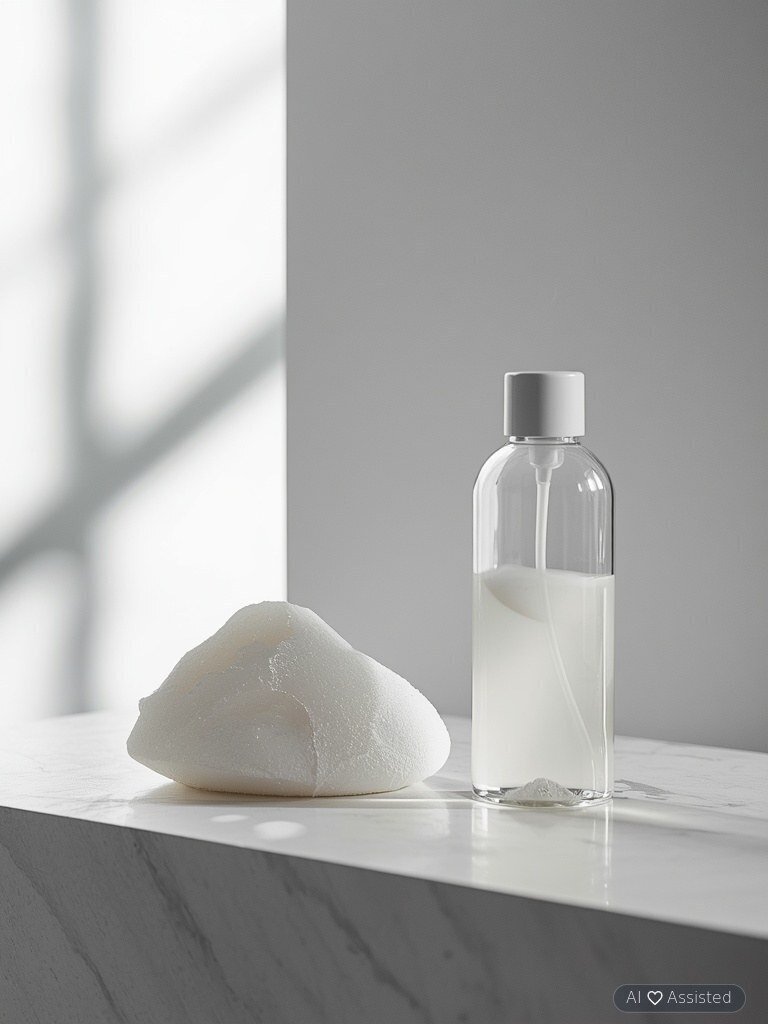
Sorbitol in cosmetics has two main roles: it acts as a moisturizer and also affects the structure and texture of the cosmetic product. It has humic properties, i.e. it prevents the product from drying out, and in the case of liquid-constance products, it helps prevent crystallization of the product at the end of the bottle.
Sorbitol is harmful
The intake of sorbitol is not recommended for individuals diagnosed with irritable bowel syndrome (IBS). In patients with IBS who also present with small intestinal bacterial overgrowth (SIBO), impaired absorption of sorbitol, fructose, and lactose has been observed. For people with irritable bowel syndrome who frequently suffer from bloating, restricting products rich in sorbitol is strongly advised, as it is classified as a poorly digestible carbohydrate (FODMAP) that can exacerbate gastrointestinal symptoms. Under physiological conditions, sorbitol is produced endogenously in the human body in very small quantities via the polyol pathway. In healthy individuals, the activity of the polyol pathway is minimal; however, in patients with poorly controlled diabetes experiencing chronic hyperglycemia, this metabolic process becomes significantly intensified. In such cases, excessive glucose is converted into sorbitol. Over time, sorbitol accumulates in the retina, peripheral nerves, and renal glomeruli, leading to cellular swelling, osmotic stress, and severe tissue damage.
Sorbitol price where to buy it
Sorbitol can be purchased in health food stores, both in physical locations and online. A kilogram of powdered sorbitol costs approximately 30 PLN. Liquid sorbitol in appropriate concentrations is also available in specialized shops supplying cosmetic ingredients. Sorbitol is a versatile polyhydric alcohol with wide applications across food production, cosmetics, and pharmaceuticals. While it is recognized as safe for consumption, moderation is key, as excessive amounts can exert a laxative effect.

Sophia Williams
✓Diets Premium Expert
Diets Premium team expert. Specializes in nutrition plans, strength sports, and training plans.
View Profile →