Aged vinegar: defining characteristics, culinary applications, and a homemade preparation method

| Diets Premium Expert Kacper Nowak | min read 5 min | Scientifically reviewed by a clinical dietitian 23.10.2026 |

Smart Voice
•Listen to the article content live
Vinegar that has undergone an aging process serves as an indispensable culinary ingredient, employed across a spectrum of preparations—from delicate dressings for raw vegetable salads and leafy greens to robust marinades for red meats, as well as in fruit-based jellies featuring red-hued berries. Its primary inclusion in diverse dishes stems from its capacity to prolong freshness (owing to the pH-lowering effect of acetic acid), to intensify flavor profiles, to introduce balanced acidity, or to impart nuanced aromatic complexity.
Yet, surprisingly few recognize that this naturally fermented product also harbors a range of beneficial properties capable of supporting human health. This article explores the biochemical foundation of premium aged vinegars, their metabolic effects, and practical guidance on selecting and crafting natural varieties at home.
Want to apply these guidelines in your daily diet?
Our smart diet generator creates a tailored meal plan in 3 minutes based on the recommendations in this article.
Biochemical foundations of vinegar production
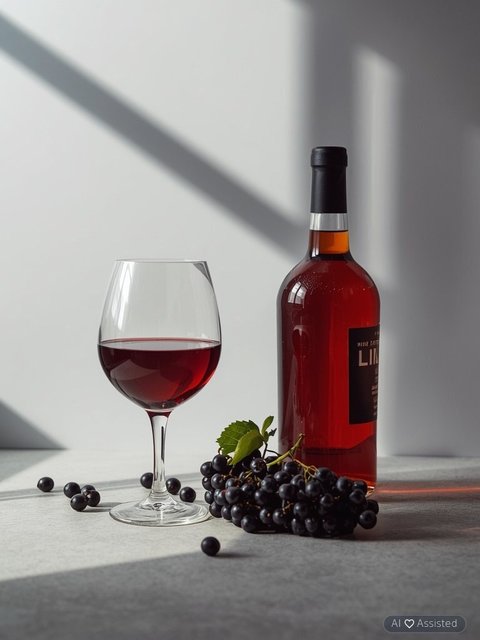
Natural wine vinegar is produced through a sequential two-stage fermentation process utilizing white or red grapes, which directly dictates the final hue and aromatic profile of the product. The biological agents driving this transformation belong primarily to the Acetobacteriaceae family. The initial phase is alcoholic fermentation, during which sugars naturally present in the fruit are converted into ethanol by yeasts under anaerobic conditions. The subsequent phase involves the bio-oxidation of the resulting alcohol into acetic acid by acetic acid bacteria in the presence of oxygen.
The final concentration of acetic acid typically ranges from 2% to 11%, heavily influenced by the initial sugar content of the fruit and the duration and parameters of fermentation. A shorter fermentation period yields a milder, slightly sweeter vinegar, whereas extended aging produces a more acidic and complex condiment. Commercial wine vinegars generally contain approximately 6% acetic acid, making them significantly milder and more nuanced than standard spirit vinegars.
Health properties and physiological effects
Quality wine vinegar differs significantly from highly processed spirit vinegar, which is largely devoid of bioactive micronutrients. Because of its natural fermentation pathway, authentic wine vinegar retains beneficial polyphenols, organic acids, and trace minerals. When consumed in moderation, it acts as a mild digestive stimulant by promoting gastric enzyme secretion, which can assist in the breakdown of macronutrients such as fats and proteins. Furthermore, its acidic nature creates an unfavorable environment for certain opportunistic pathogens in the digestive tract.
Wine vinegar also provides minor amounts of minerals, notably potassium, which supports electrolyte balance, vascular health, and normal muscle function. However, moderation is essential; excessive intake of highly acidic condiments can irritate the gastric mucosa and exacerbate symptoms in individuals prone to acid reflux, gastritis, or heartburn. Those with pre-existing gastrointestinal sensitivities should exercise caution.
Culinary diversity and practical applications
In both domestic and professional kitchens, wine vinegar is celebrated for its ability to elevate complex flavor profiles. It forms an ideal foundation for balanced salad dressings, vegetable marinades, and reductions accompanying robust protein sources such as beef, game, or poultry. The natural acidity helps tenderize connective tissues in meats while cutting through the richness of heavy fats and aged cheeses.
Beyond traditional savory dishes, wine vinegar is successfully utilized in sweet-and-sour preserves, onion chutneys, and berry-based reductions. Historically, diluted acetic solutions have also been employed in external applications, such as compresses for minor ailments or dilute rinses for hair and skin care, provided proper precautions are maintained to protect sensitive tissues.
Homemade preparation of wine vinegar
Crafting your own wine vinegar at home is a rewarding and straightforward process that requires minimal equipment. For beginners, utilizing already fermented red or white wine as a base is recommended to bypass the complexities of primary alcoholic fermentation. Necessary supplies include 200 to 300 ml of quality wine, a clean glass jar, breathable cheesecloth, and a rubber band.
Pour the wine into the jar and secure the cheesecloth over the opening using the rubber band to protect the liquid from dust and insects while permitting continuous oxygen exchange. Place the jar in a warm, dark location for approximately four to five weeks. During this window, natural acidification will occur. Once matured, filter the liquid through a fine sieve into sterilized bottles for storage. Pasteurization can be performed if long-term flavor stability without further fermentation is desired.
Tags

Kacper Nowak
✓Diets Premium Expert
Diets Premium team expert. Specializes in nutrition plans, strength sports, and training plans.
View Profile →