Distilled vinegar – characteristics, practical uses, and effects on human health

| Diets Premium Expert Max Müller | min read 5 min | Scientifically reviewed by a clinical dietitian 23.10.2026 |
Smart Voice
•Listen to the article content live
Contemporary markets present an exceptionally diverse array of food and household products. Among this extensive selection lies a product that has long been overlooked—namely, distilled vinegar. This versatile, naturally derived substance extends far beyond conventional culinary applications, offering remarkable utility across both domestic cleaning and traditional wellness practices.
Its distinctive properties render it an invaluable asset across multiple facets of everyday domestic management. From acting as an effective antimicrobial agent to serving as a potent natural descaler, distilled vinegar provides an eco-friendly and economical alternative to synthetic chemical preparations found in modern households.
Furthermore, scientific exploration into the physiological effects of acetic acid has highlighted potential benefits regarding metabolic health, glycemic control, and digestive stimulation when consumed in appropriate dilutions and moderate amounts. Consequently, it is worthwhile to explore its specific characteristics in depth, along with the potential benefits it may offer in various spheres of daily life.
Want to apply these guidelines in your daily diet?
Our smart diet generator creates a tailored meal plan in 3 minutes based on the recommendations in this article.
Definition and properties of spirit vinegar
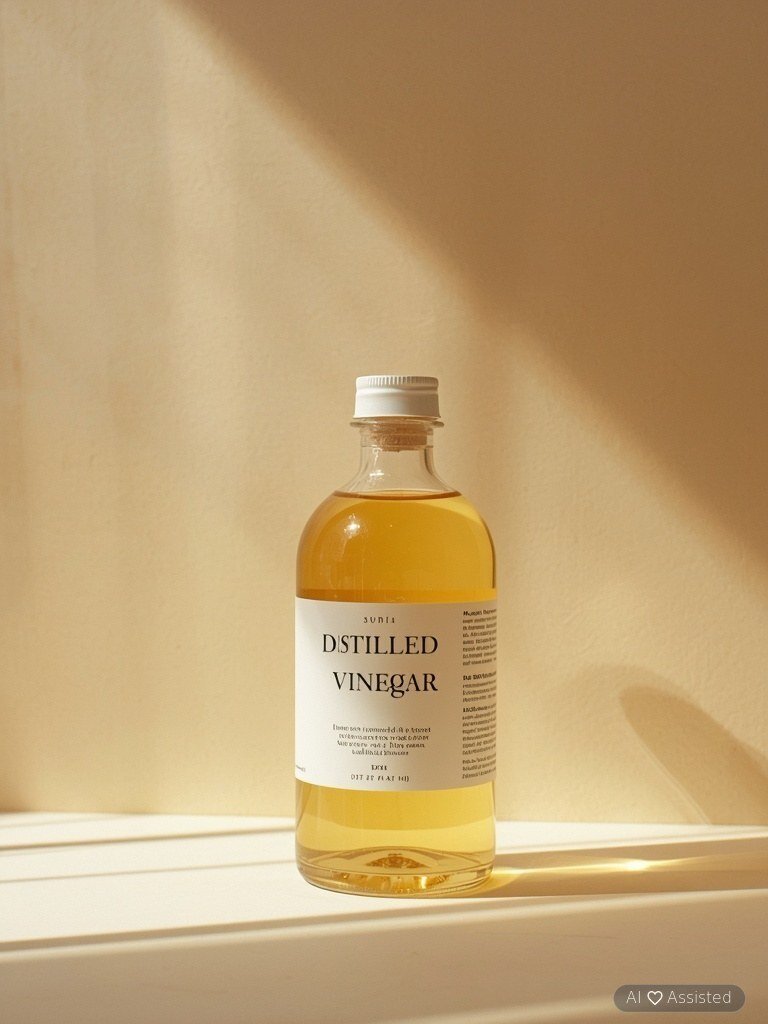
Vinegar is an aqueous solution of acetic acid possessing a characteristic sharp flavor that gives food a distinctive profile. In the commercial food industry, it serves as a foundational ingredient in mayonnaises, dressings, marinades, and various pickled preparations. Known since ancient times, spirit vinegar remains the most classic and widely utilized variety today.
Manufacturing process of spirit vinegar
The main component of spirit vinegar is acetic acid, which is produced via surface, generator, or submerged fermentation techniques. The biological conversion relies on specific bacterial strains belonging to the genera Acetobacter and Gluconacetobacter. Under the influence of enzymes produced by these bacteria, ethanol undergoes oxidation, transforming cleanly into acetic acid and water.
Versatile properties and household benefits
The applications of spirit vinegar span both the food industry and traditional domestic care. Long before modern commercial cleaners, it served as a trusted remedy for household maintenance. Not only does it act as an efficient cleanser and disinfectant, but it also provides a cheap alternative to conventional synthetic chemicals. Importantly, pure vinegar does not contain synthetic fragrances, making it suitable for individuals sensitive to standard cleaning agents.
Practical household applications
Spirit vinegar can effectively replace commercial descalers. Boiling a diluted solution in a kettle easily dissolves mineral buildup. Similarly, persistent white smudges caused by calcium and magnesium deposits on bathroom fixtures can be removed by applying a vinegar-soaked compress. Furthermore, a 1:1 water and vinegar solution works exceptionally well for cleaning windows without streaks, while also deodorizing microwaves and dishwashers.
Health aspects and traditional uses
Spirit vinegar, when consumed in minimal amounts, can stimulate digestive secretions and appetite. Historically, it has been used in gargle mixtures for sore throats due to its antimicrobial properties. However, because distilled spirit vinegar can intensely irritate delicate mucosal tissues, milder vinegars like apple cider are clinically preferred for oral applications. Topically, it has traditional uses in managing minor skin concerns.
Acetic acid and weight management
While the caloric value of vinegar is extremely low, its nutritional micronutrient profile is similarly sparse. Clinical and nutritional studies suggest that acetic acid can improve insulin sensitivity and blunt postprandial glycemic spikes. These metabolic mechanisms can support healthy weight management and lipid profiles, provided that vinegar is ingested in safe, highly diluted formulations.
Application of vinegar in hair care
Historically, dilute vinegar rinses have been utilized in hair care to seal the hair cuticle, smooth strands, and impart natural shine. An acidic rinse helps normalize scalp pH following cleansing, counteracting hard water mineral buildup and preventing dandruff. For dry hair types, vinegar can be blended with carrier oils such as olive oil to create a nourishing pre-shampoo mask.
Dermatological effects and safety precautions
Due to its antimicrobial activity, vinegar has been employed topically in folk remedies for minor blemishes or insect bites. However, rigorous safety precautions must be observed: undiluted spirit vinegar can cause skin irritation or chemical burns. Proper dilution and mindful handling are mandatory to ensure therapeutic benefits without adverse dermatological reactions.
Tags

mgr Max Müller
✓Diets Premium Expert
Diets Premium team expert. Specializes in nutrition plans, strength sports, and training plans.
View Profile →