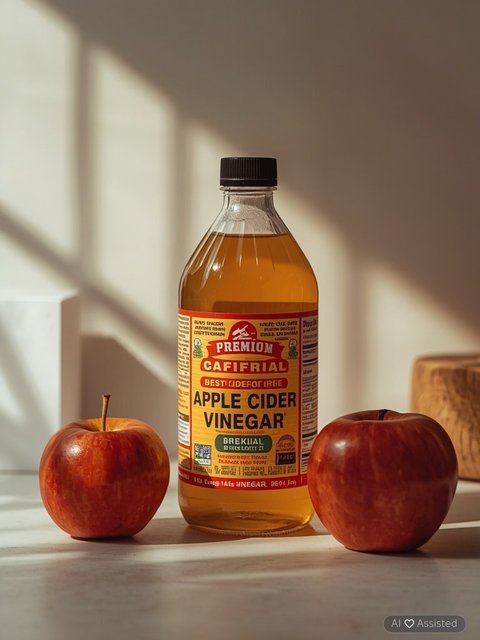
Natural apple cider vinegar – a versatile remedy for hair, skin, and scalp. Step-by-step guide to homemade preparation

| Diets Premium Expert David Janitzek | min read 3 min | Scientifically reviewed by a clinical dietitian 23.10.2026 |
Smart Voice
•Listen to the article content live
For centuries, apple cider vinegar has been valued for its therapeutic properties, serving as an indispensable ally in both beauty care and general well-being. Its rich composition—comprising organic acids, enzymes, and trace minerals—makes it a versatile ingredient in homemade cosmetics as well as a remedy for various ailments. Explore this comprehensive guide to discover time-tested preparation methods and the most effective ways to harness the benefits of this natural tonic safely and scientifically.
Want to apply these guidelines in your daily diet?
Our smart diet generator creates a tailored meal plan in 3 minutes based on the recommendations in this article.
Apple cider vinegar for hair and scalp
Apple cider vinegar is an exceptional choice for natural hair care, serving as a powerful conditioning agent that improves overall hair vitality. It offers antimicrobial benefits while effectively normalizing the scalp's natural pH balance. Rich in essential minerals, vitamins (including E, C, and A), and natural antioxidants, it strengthens the hair fiber from within. Furthermore, the alpha-hydroxy acids present in apple cider vinegar gently exfoliate the scalp, helping to eliminate buildup, prevent dandruff, and stimulate healthy hair follicle function.
Apple cider vinegar for heartburn and digestion
The use of apple cider vinegar for heartburn stems from the premise that this discomfort is often caused not by an excess of stomach acid, but rather by hypochlorhydria, or a deficiency of gastric acid. Heartburn frequently occurs when acidic contents reflux into the esophagus. Natural health practitioners often suggest a simple dietary test involving the consumption of diluted apple cider vinegar over several days. If symptoms subside, it typically indicates that acid production was previously insufficient. Conversely, if pain or burning intensifies, use should be discontinued immediately, as it suggests hyperacidity.
Apple cider vinegar for skin health
Due to its high concentration of vitamins, minerals, and antioxidants, apple cider vinegar is frequently utilized in natural skincare routines to enhance dermal health. Human skin naturally maintains an acidic pH mantle, which closely mirrors the pH profile of quality vinegar. When properly diluted, topical application helps restore this protective acid mantle, hydrates the skin, revitalizes fatigued complexions, and can assist in diminishing redness and blemishes associated with minor inflammatory skin conditions.
Step-by-step recipe for homemade apple cider vinegar
Brewing your own apple cider vinegar at home is a straightforward process requiring minimal ingredients. You will need 1.5 kg of acidic apples, 1.5 liters of water, and 3 to 5 tablespoons of natural honey or sugar. Chop the apples and place them into a wide-mouthed glass container to ensure adequate oxygen circulation during fermentation. Cover the fruit completely with filtered, boiled, and cooled lukewarm water mixed with the sugar or honey. Secure a breathable cloth or cheesecloth over the top with a rubber band. Fermentation typically lasts between 2 to 5 weeks depending on the apple variety. Once bubbling ceases, strain the liquid through a fine sieve or cloth and store the clear vinegar in glass bottles.

mgr David Janitzek
✓Diets Premium Expert
Diets Premium team expert. Specializes in nutrition plans, strength sports, and training plans.
View Profile →